Does Albania Use The Euro?
No, Albania does not use the euro. Tirana runs on the Albanian lek, roughly 90 lek to the euro. Here is how cash, cards and exchange work in the capital.
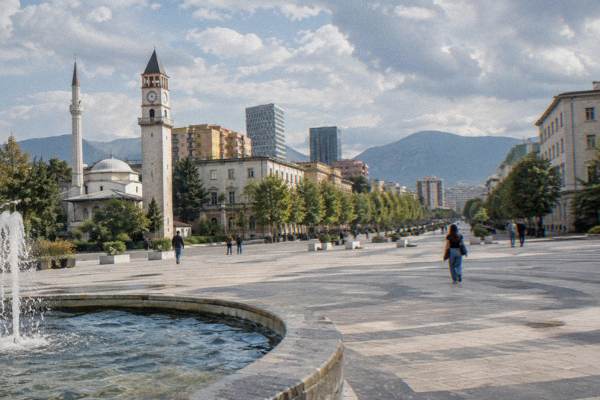
Tirana, the capital of Albania, is an inland city at the foot of Mount Dajti, and the money you will spend there is the Albanian lek, not the euro. Albania is not in the euro zone, not in the European Union and not in the Schengen area, so none of the currency arrangements travellers get used to in neighbouring countries apply here. That single fact shapes almost every money decision on a Tirana trip, from the airport bus into the centre to the byrek you buy near Pazari i Ri.
No, Albania does not use the euro. The official currency of Albania, including Tirana, is the Albanian lek (ALL), and the euro is not legal tender anywhere in the country. The Bank of Albania sets the official rate, which stood at roughly 90 lek to the euro in October 2026. Some hotels, taxis and tourist-facing businesses are reported to accept euro notes informally, at their own rate, with change given in lek.
The distinction matters more in Tirana than almost anywhere else in the Balkans, because the country sits geographically and politically between two currency worlds. Montenegro, to the north, uses the euro in practice without a formal European Central Bank agreement, and Greece, to the south, is in the euro zone proper. Albania is in neither camp. It is an EU candidate country in accession negotiations, and it runs its own currency, its own visa regime of 90 days in any 180 for visa-free nationals, and its own central bank.
For a visitor, the practical consequence is simple: prices in Tirana are quoted in lek, from the city bus to the cable car to museum tickets, and any euro you hand over is being exchanged informally by whoever takes it. The exchange rate you get in such a transaction is set by the business, not by the Bank of Albania, and it will rarely be in your favour. The rest of this page covers how to get lek, where cards work, and how much cash to carry.
The Albanian Lek Explained For Tirana Visitors
The Albanian lek, abbreviated ALL, is issued by the Bank of Albania in a range of banknote and coin values. The official Bank of Albania rate on 23 October 2026 was 90.74 lek to the euro and 81.03 lek to the US dollar, which travellers can round in their heads to roughly 90 lek to the euro and about 80 to the dollar. Rates move daily, so treat those as a planning guide rather than a promise.
Lek is the currency you will actually handle in Tirana. The fares make the pattern clear: the airport bus from Rinas to the centre costs 400 lek, or 4.50 euro if you pay in euro notes at the ticket desk, the airport bus to the South and North Bus Terminal is 300 lek, the official airport taxi to the centre is about 2,200 lek, and the Durres airport coach is 600 lek. Inside the city, a single bus ride costs about 40 lek, paid in cash on board, per local reporting. The one euro figure the airport bus operator publishes is a courtesy for arriving travellers who have not yet changed money, not a sign that the euro circulates as currency.
The airport bus detail is worth pausing on. The operator's own page lists both 400 lek and 4.50 euro for the same ticket, which tells you the two amounts are treated as equivalent at a rate of roughly 89 lek to the euro. That is close to the official rate, which is unusual. A small cafe or a market stall that accepts a euro note is under no obligation to be so generous, and the change will come back in lek regardless. For more on the practical side of the city itself, see Is Tirana Walkable and How Many Days In Tirana Is Enough.
Can You Pay By Card In Tirana?
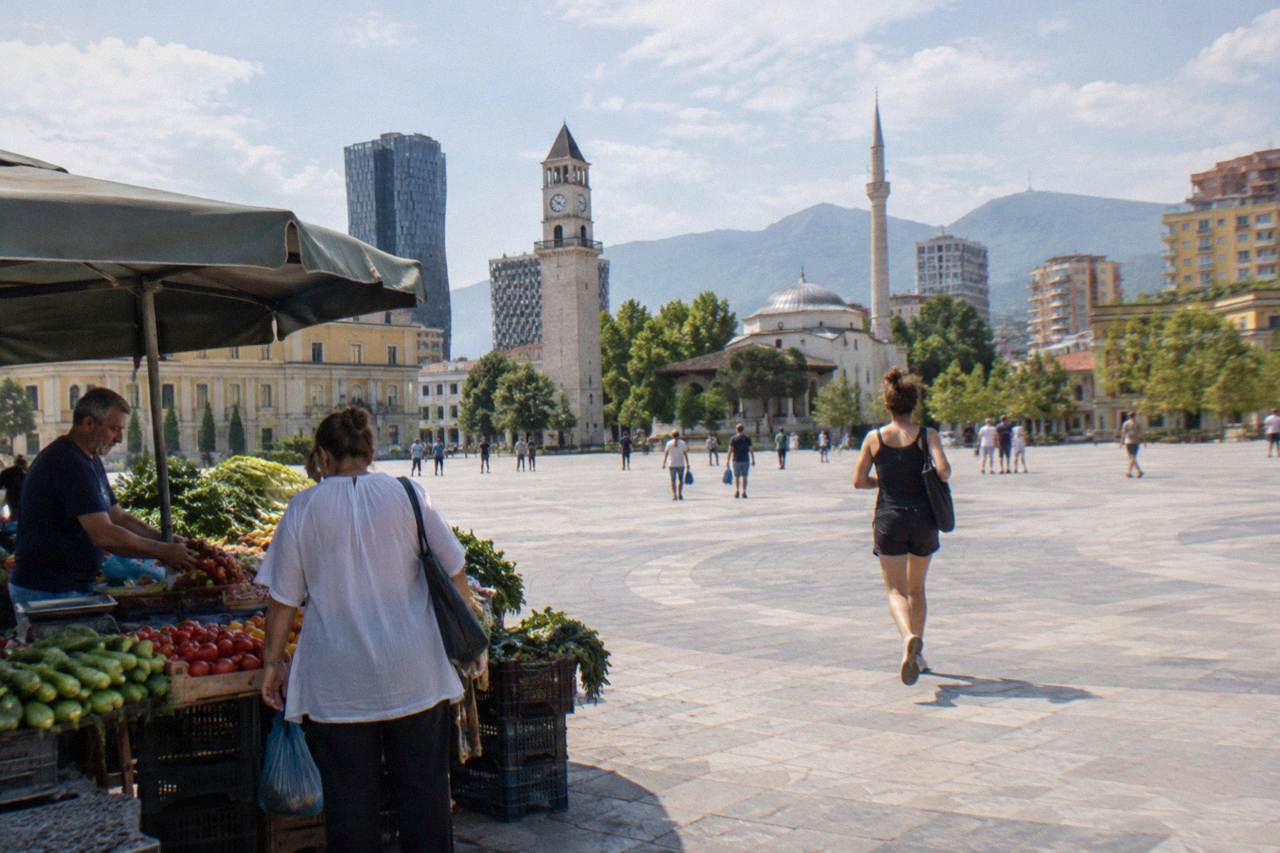
Cards are reported to be widely accepted in Tirana's hotels, larger restaurants, supermarkets and shops in the central areas such as the streets around Skanderbeg Square and Blloku, but cash is still what you need for city buses, markets, small cafes and many services outside the centre. The balance has shifted towards cards in recent years, yet a visitor who carries no cash at all will get stuck, because the day-to-day transport system runs on coins and small notes handed to a conductor on board.
The pattern is classic two-tier. On one tier, a mid-range restaurant in Blloku or a supermarket at a mall will take a foreign card without discussion, and contactless payment is routine. On the other tier, the 40-lek city bus, a minibus to Kruja at about 200 lek paid to the driver, a market vendor at Pazari i Ri and a street-side byrek counter all expect lek in hand. Buses run roughly from 06:00 to 23:00, per local reporting, and there is no tourist-facing card system on board, so the conductor-and-cash arrangement is not optional.
One more thing worth knowing before you plan payments: Albania is outside Schengen and outside the EU, so the EU's new border entry systems do not apply, and likewise EU banking assumptions do not transfer. Foreign-card withdrawals at Albanian cash machines can carry bank fees, so withdraw larger amounts less often rather than small amounts daily, and check what your own bank charges on top. If you are weighing whether the city rewards a longer stay at all, Is Tirana Worth Visiting For Tourists covers the case for and against.
Exchanging Money And Getting Lek In Tirana
Exchange offices cluster around Skanderbeg Square, Rruga e Kavajes and the approach streets to Pazari i Ri, and they will change euro, dollar and pound notes into lek on the spot, with the rate displayed on a board or screen. The Bank of Albania publishes the official reference rate daily, so a quick comparison before you hand over notes tells you whether the spread is fair. Cash machines are plentiful in the centre and dispense lek.
A few habits keep this painless. Change or withdraw what you need for two or three days rather than the whole trip, because lek left over at the end is a nuisance to convert back once you leave the region. Keep small notes: the 40-lek bus fare, market purchases and tips of the hat to a conductor all run on small denominations, and a large banknote is hard to break at a kiosk. Notes in poor condition are sometimes refused, which is normal for a cash-heavy economy.
The euro still has a role, just not the one people assume. Bringing a modest reserve of euro notes is sensible, because they are the easiest foreign currency to exchange anywhere in Albania, including in smaller towns on a day trip. What the euro is not, is a spending currency: a hotel that takes it informally will set its own rate and give change in lek. Travellers wondering about other currencies can read Can I Use US Dollars In Albania, where the short answer follows the same logic, only more so.
How Much Cash Should You Carry For A Day In Tirana?
For a normal sightseeing day in central Tirana, carry enough lek to cover buses, a market or cafe lunch, museum entries and small purchases, with a card as backup for restaurants and shops. Tirana is an affordable capital by Western European standards, and the sightseeing core from Skanderbeg Square to Blloku is compact and walkable, so a day's cash needs are modest rather than alarming. Keep notes small and separate from the card.
The structure of spending is easier to see in a table than in prose. Below is how the fares and entry arrangements actually break down, using only figures the operators and official bodies publish.
| Item | How you pay | Figure the official source gives |
|---|---|---|
| Airport bus to Tirana centre | Cash, lek or euro at the desk | 400 lek, or 4.50 euro; runs 24/7, every full hour |
| Airport bus to South and North Bus Terminal | Cash | 300 lek, every full hour |
| Airport taxi to the centre (official operator) | Cash or card at the desk | About 2,200 lek one way |
| City bus inside Tirana | Cash to the conductor | About 40 lek per ride, per local reporting |
| Minibus to Kruja | Cash to the driver | About 200 lek one way, per local reporting |
| Bunk'Art 1 and Bunk'Art 2 | Cash at the door | Buy tickets at the door; no price published on the museums' site |
| Dajti Ekspres cable car | At the lower station | Tickets sold only at the lower station; no fare published |
That table carries the whole money strategy for a first visit. The big structural point is that the two headline attractions, the Bunk'Art museums and the Dajti cable car, publish no online price at all: the Bunk'Art website lists opening hours but sells tickets at the door, and the Dajti Ekspres operator asks visitors to buy at the lower station. So cash on the day, not a pre-paid online figure, is what those visits run on. Plan a morning at the square, the Et'hem Bey Mosque and the Pyramid, then a cable car afternoon, and carry enough lek to cover both without hunting for a cash machine mid-route.
Day trips change the arithmetic only slightly. Berat, Kruja and Durres tours are paid for online in advance, which removes them from the cash question, but food, drinks and market stops along the way still run on lek. For the frame around those choices, things to do in Tirana is the site's main planning page.
Does The Euro Work Anywhere In Albania?
The euro is not legal tender in Albania and no business is required to accept it, but it is reported that some hotels, taxis and tourist-facing businesses will take euro notes informally, set their own rate and hand back change in lek. The airport bus is the clearest published example, listing both 400 lek and 4.50 euro for the same ticket. Beyond that, treat euro acceptance as a convenience, never a guarantee.
Two comparisons make Albania's position obvious. Croatia adopted the euro on 1 January 2023, so a euro-zone traveller crossing the Balkans can spend the same notes in Zagreb and Split. Montenegro uses the euro in everyday life without a formal agreement with the European Central Bank. Albania, between them, kept its own currency, and the Bank of Albania's daily rate page is the reference point for what a lek is worth on any given day.
What this means at the margin: hand a taxi driver a 20-euro note for a short ride and the driver sets the conversion, and the change comes in lek. Buy a coffee with euro coins in a small cafe and you may simply be refused. The safe pattern is to change a working amount on arrival, use cards where they are taken, and keep a euro note or two as emergency reserve rather than as a spending plan.
Money Habits That Save Hassle In Tirana
The habits that pay off in Tirana are carrying small lek notes for buses and markets, withdrawing larger amounts less often to limit bank fees, checking the displayed rate before changing notes at an exchange office, and reserving cards for hotels, restaurants and supermarkets. None of this is complicated, but arriving with the wrong assumption, that the euro circulates, turns small transactions into small negotiations.
A note on safety, because cash goes hand in hand with it. The general advice is to watch your belongings in crowds, as in any capital. Separately, note the current-conditions picture: demonstrations have been held in central Tirana since 13 October 2026, some with violence, and the UK's FCDO updated its travel advice on 15 October, recommending avoidance of demonstrations. That affects when and where you carry a day's cash, not whether Tirana is affordable, and it is worth checking current advice before travel. Emergency numbers, for completeness, are Police 112, Ambulance 127 and Fire 128.
Tipping is the one money topic where no percentage is set anywhere authoritative, so rounding up or leaving coins is a personal call rather than an obligation. On the wider question of budgets, Is Tirana Cheap Or Expensive covers the cost picture, and for the evening economy there is Is Tirana Nightlife Good.
Common Questions About Money In Tirana
Does Albania use the euro?
No. The currency of Albania, including Tirana, is the Albanian lek (ALL), and the euro is not legal tender. The official Bank of Albania rate in October 2026 was roughly 90 lek to the euro. Some tourist businesses are reported to accept euro notes informally at their own rate, with change in lek.
Can I pay by card in Tirana?
Cards are reported to be widely accepted in hotels, larger restaurants and supermarkets in central Tirana, while city buses, markets and small cafes need cash. Carry both.
Should I exchange money before arriving in Albania?
There is no need. Exchange offices around Skanderbeg Square and cash machines across the centre handle euro, dollar and pound conversion on arrival, and the airport bus desk itself takes 400 lek or 4.50 euro for the ride into the city.
How much is the airport bus into Tirana?
The official airport bus to the centre costs 400 lek, or 4.50 euro, runs 24/7 every full hour, takes 30 to 40 minutes and stops behind the Palace of Opera and Ballet near Skanderbeg Square. The official airport taxi is about 2,200 lek one way.
Do I need cash for the Bunk'Art museums and the Dajti cable car?
Yes. Bunk'Art 1 and Bunk'Art 2 sell tickets at the door and publish no price online, and the Dajti Ekspres cable car sells tickets only at its lower station, with no fare published online. Carry lek and check the current price at the venue before going.
Is Albania in the EU or the euro zone?
No to both. Albania is an EU candidate country in accession negotiations, outside Schengen and outside the euro zone, with its own currency, the lek, and its own 90-in-180-day visa regime for visa-free nationals.