Is Tirana Cheap Or Expensive?
A structure-first answer to whether Tirana is cheap or expensive: what costs money in the Albanian capital, what is free, and the fares in lek.
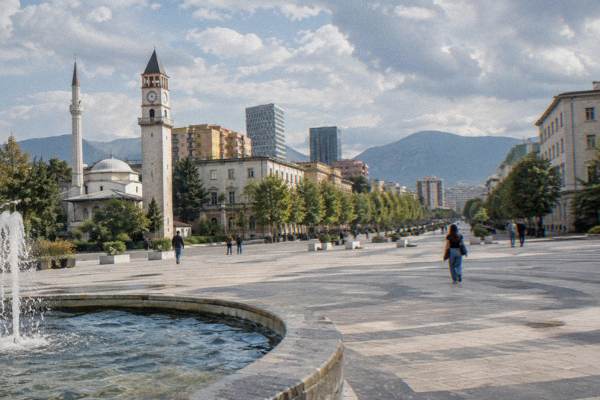
Tirana, the capital of Albania, is an inland city in a basin at the foot of Mount Dajti, and every price in it is quoted in Albanian lek. The Bank of Albania's official rate on 23 October 2026 was 1 euro to 90.74 lek, so a mental rule of roughly 90 lek to the euro carries you through menus, museum doors and bus fares alike. Whether the city feels cheap or expensive depends less on any single price and more on how its cost structure is arranged, because the parts of Tirana you can walk through are largely free, while the parts behind a turnstile are few, specific and easy to budget.
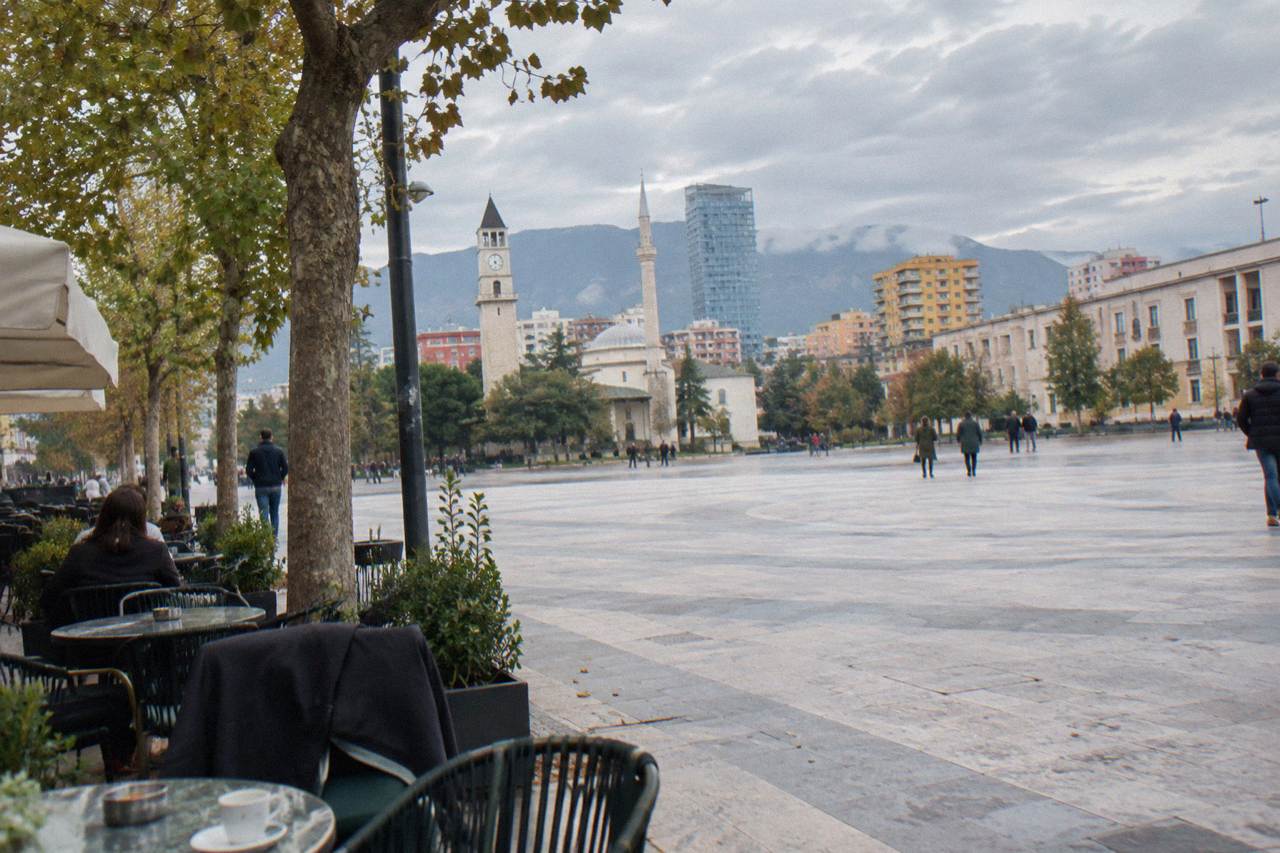
Tirana sits at the low end of European capital costs, and the outdoor city is free, the city bus costs about 40 lek a ride, the airport bus 400 lek, and the main discretionary spending is a small set of ticketed museums, the Dajti cable car and optional guided tours. Albania is not in the euro zone and the euro is not legal tender, which shapes every comparison: you spend lek, and you spend far fewer of them than a similar day in a euro-zone capital would demand. Budget for accommodation and tours first, then treat the city itself as nearly free to walk.
The honest framing matters here. Plenty of guides print cost-of-living tables for Tirana with coffee at one figure and a hostel bed at another, but none of those numbers survived verification for this page, and typing them would be guesswork dressed as fact. The shape of a day: waking up in a city where Skanderbeg Square, the Pyramid steps, Et'hem Bey Mosque outside prayer times, Tanners' Bridge and the Grand Park all cost nothing, then choosing one or two paid entries, then eating.
That structure makes Tirana unusually controllable as a budget destination. A traveller who walks, picks one paid museum per day and eats from market stalls and neighbourhood bakeries spends very little. A traveller who books a guided day trip every morning, rides the cable car and dines on Blloku terraces spends considerably more. The city accommodates both without changing character, and the sections below break down exactly where the money goes.
What Does A Day In Tirana Cost Without Any Numbers?
A day in Tirana splits into three layers: a free layer of squares, mosques outside prayer times, parks, bridges and the Pyramid steps; a cheap layer of walking, city buses and market food; and a paid layer of a handful of museums, the Dajti cable car and guided tours. Nothing in the free layer requires a ticket, and the paid layer is short enough to list on one hand, which is why the city has a reputation for affordability that outlasts any exchange rate. The variable cost is the middle layer, and it is the layer a visitor controls hour by hour.
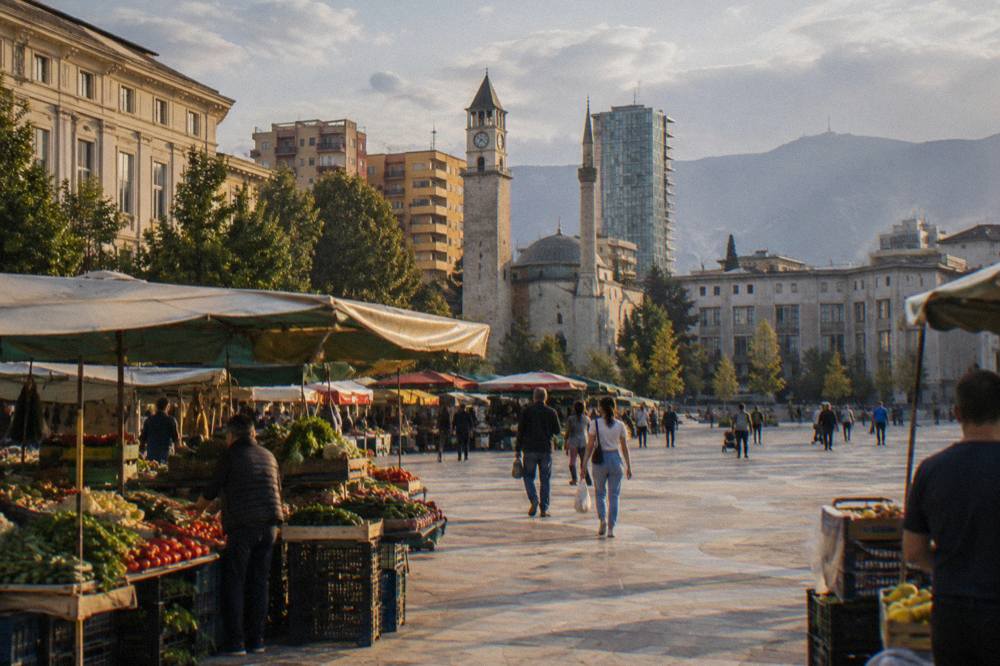
Start with the free layer, because it is unusually large. Skanderbeg Square is an open public space, and the mosaic facade of the closed National History Museum can still be seen from it. The Pyramid of Tirana is renovated and its outside steps are free to climb, per local guides' reporting. Et'hem Bey Mosque asks only modest dress and a visit outside prayer times. The Grand Park of Tirana and the Artificial Lake are public parks, the New Bazaar is a public market street, and Tanners' Bridge stands open on a pavement. A full and satisfying day can be built entirely from this list.
The paid layer is short. Bunk'Art 1 and Bunk'Art 2 sell tickets at the door, and the operator's website lists no prices online, so check the current price at the venue before going. The House of Leaves, the Dajti Ekspres cable car, whose operator likewise publishes no fare online, and the Clock Tower complete the ticketed set. Guided tours are the biggest discretionary line, and their prices render below from live listings rather than from anything typed here. The things to do in Tirana overview page sorts these by cost and kind.
Between the layers sits the question of how long you stay. The How Many Days In Tirana Is Enough answer affects total spend more than any single choice, because the free layer fills roughly two days on its own before repetition sets in. Add a third day and the paid layer, plus a day trip, starts to dominate.
How Much Is Transport In Tirana?
Transport is Tirana's cheapest category: the airport bus to the centre is 400 lek or 4.50 euro running 24 hours every full hour, the official airport taxi about 2,200 lek, a single city-bus ride about 40 lek paid in cash on board, and the Kruja minibus about 200 lek, so even generous daily movement costs less than a single museum ticket in many capitals. These are the fares that carry verification or clear attribution; hotel-airport private transfers and meter tariffs do not, and readers should confirm anything not listed here locally.
| Journey | Fare | Notes |
|---|---|---|
| Airport bus to Tirana centre | 400 lek / 4.50 euro | 24/7, every full hour, 30 to 40 minutes, stops behind the Palace of Opera and Ballet |
| Airport bus to South and North Bus Terminal | 300 lek / 3.50 euro | Hourly; terminal-to-airport runs 07:00 to 18:00 |
| Airport coach to Durres | 600 lek | Departures 08:30 to 23:00 |
| Official airport taxi to centre | about 2,200 lek | 24/7, 20 to 25 minutes, branded Taxi Tirana Airport |
| City bus, single ride | about 40 lek | Paid in cash on board; fare is reported, not printed on an official page |
| Kruja minibus from Tirana | about 200 lek | Local guides report; confirm with the driver |
Two of those rows deserve their attribution spelled out. The 40 lek city-bus fare and the 200 lek Kruja minibus fare are reported figures rather than officially published ones, so confirm before you go; everything in the airport rows is printed on the airport's own transport page. Intercity bus fares generally are not printed on official pages, so pay the driver in cash and expect a few hundred lek for nearby towns. Uber and Bolt do not operate in Tirana, which matters for anyone who budgets around ride-hailing; the Is There An Uber In Tirana answer covers the local alternatives.
One trap worth repeating: there is no airport train. The Tirana-Durres-Airport rail line is being rebuilt, with electrification expected to finish by the end of 2027, and no passenger service runs in the meantime. Anyone who budgets for a cheap rail transfer will be standing at the arrivals curb revising that line item.
Where Does The Money Go: Paid Sights In Tirana
The paid-sight list in Tirana is short: Bunk'Art 1 and Bunk'Art 2, the House of Leaves, the Dajti Ekspres cable car, the Clock Tower and a handful of galleries, with Bunk'Art and the cable car publishing no prices online, so the two expenses that define a sightseeing budget are the ones you pay at the door. Guides solve this neatly, since a booked tour bundles entries and transport, and their live prices render from listings rather than from guesswork here.
The Bunk'Art pair is the classic first purchase. Bunk'Art 1 sits about 4.6 km north-east of Skanderbeg Square, behind the cable car lower station, and is open daily 09:30 to 17:30 from 1 June 2026 per its own website. Bunk'Art 2 is central, about 0.2 km south-east of the square, open daily from 09:30. Neither price is published online; buy tickets at the door. The House of Leaves, the museum of secret surveillance about 0.2 km south-west of the square, is open 09:00 to 19:00, with its ticket price on the museum's own site. The Clock Tower, with about 90 steps, keeps fees and hours that visitors should confirm on site.
The cable car is the other marquee expense, and it refuses to be budgeted in advance: the Dajti Ekspres operator's own page says current ticket prices are available at the lower station. Tickets are sold only there, in one-way, return and combination forms, and the operator reports Tuesdays as the usual maintenance closure, so confirm before you go. One budget shortcut stands out among tours: the trio above includes a free walking tour on GuruWalk, which is free with pay-what-you-want tips at the end, an honest way to see the centre before committing money anywhere.
| Sight | Position from Skanderbeg Square | Ticket situation |
|---|---|---|
| Skanderbeg Square | On the square | Free public space |
| Et'hem Bey Mosque | About 0.2 km south-east | Free, outside prayer times, modest dress |
| Pyramid of Tirana | About 0.7 km south-east | Steps free to climb |
| Bunk'Art 1 | About 4.6 km north-east | Buy at the door; hours 09:30 to 17:30 from 1 June 2026 |
| Bunk'Art 2 | About 0.2 km south-east | Buy at the door; open daily from 09:30 |
| House of Leaves | About 0.2 km south-west | Price on the museum's own site; open 09:00 to 19:00 |
| Dajti Ekspres cable car | About 4.4 km north-east | Tickets only at the lower station |
| Clock Tower | About 0.2 km south-east | Confirm fee and hours on site |
| National History Museum | On the square | Closed for restoration, announced to March 2028 |
That last row is the 2026 trap. The National History Museum on Skanderbeg Square has been closed since 15 March 2024 for restoration, and the announced closure runs to March 2028. Anyone whose budget assumed a morning there should redirect it, and the square itself remains free to enjoy regardless.
Money Basics: Lek, Cards And Cash In Tirana
Tirana runs on the Albanian lek, the euro is not legal tender, the official Bank of Albania rate on 23 October 2026 was 1 euro to 90.74 lek, cards are widely taken in hotels, larger restaurants and supermarkets while cash still rules buses, markets and small cafes, and no tourist-tax, ATM-fee or tipping figure survived verification, so plan on lek in hand and confirm charges locally. The currency question is common enough that a whole Does Albania Use The Euro answer exists, and its short version is: change into lek, and treat any euro acceptance as an informal favour with the operator's own rate.
The practical rhythm is simple. Arrive, take lek from an ATM aware that foreign-card fees exist at Albanian banks, and keep small notes for buses and markets. Some hotels, taxis and tourist businesses accept euros informally, but change usually comes back in lek and the rate is theirs.
One more structural note on timing: Albania counted more than 12 million foreign arrivals in 2025, per INSTAT-based reporting, and summer is when demand peaks. The ERA5 reanalysis for Tirana, 1991-2020, puts July and August mean highs at 29.8 C and 30.4 C with the year's lowest rainfall, 34 and 31 mm, and November the highest-rainfall month at 139 mm. Nothing in that data prices a hotel room, but it explains why the same bed costs different amounts across the year, and the What Is The Best Month To Visit Tirana answer works through the trade-offs.
Is Tirana Expensive Compared With The Rest Of Albania?
Tirana is the priciest place in Albania by the plain logic of capital-city economics, yet it is also where the free layer is deepest and the day-trip network is cheapest to reach, so a Tirana base with outward excursions often costs less overall than a coastal stay with everything repriced at resort rates.
The excursions tell the story. Kruja is 36.7 km and about 45 minutes away by road, with its minibus at about 200 lek reported. Durres and its Adriatic beach sit about 37 km and 39 minutes west. Berat, a UNESCO-listed town, is about 122 minutes by road, and its Onufri and Ethnographic museums publish 400 lek and 300 lek tickets on the Berat Museum Center's own site. The far south, Gjirokaster, Saranda, Ksamil and Butrint, sits four to four and a half hours each way away by road, which makes those overnight trips rather than day-trip line items, and their costs belong to a different budget conversation.
Tours compress those distances into single priced products, and their live prices render from listings, never from this keyboard. The Is Tirana Walkable answer also matters to any budget: a walkable centre means the transport line of a Tirana day can sit near zero, which is not true of many capitals.
Tips For Keeping A Tirana Trip Affordable
The affordable version of Tirana is built from four moves: walk the free core instead of riding it, take the 400 lek airport bus instead of a transfer, pick one paid sight per day from the short ticketed list, and use the free GuruWalk walking tour or a single well-chosen paid tour to orient before spending further. None of those moves requires a printed price table, and together they cap a day's spending at the cost of one museum ticket, one market meal and bus change.
A few specifics sharpen the plan. Book the Bunk'Art pair or the cable car on days when weather or energy suits them, and check the current price at the venue in each case. Do the arithmetic in lek, not euro, because the roughly-90-to-1 rate makes small purchases look smaller than they are and guards against rounding in anyone's favour but yours. And read the Is Tirana Worth Visiting For Tourists answer before committing days, because a cheap city still deserves a deliberate itinerary.
Finally, the current-conditions note that no budget should skip: demonstrations have been held in central Tirana since 13 October 2026, some violent, and the UK FCDO updated its travel advice on 15 October 2026, advising avoidance of demonstrations and attention to local media. None of that carries a price, but a disrupted day is a spent day, and a flexible plan is the cheapest insurance available. Emergency numbers, for completeness: Police 112, Ambulance 127, Fire 128.
Common Questions About Tirana Costs
Is Tirana Cheap Or Expensive?
Tirana is inexpensive for a European capital, with a mostly free outdoor core, a city bus at about 40 lek a ride and an airport bus at 400 lek. The Tirana Albania Travel Guide cost pages keep to figures that carry verification.
Can I pay in euros in Tirana?
No, the euro is not legal tender in Albania. Some hotels, taxis and tourist businesses accept it informally at their own rate, with change usually in lek, but the currency is the Albanian lek, at roughly 90 to the euro per the Bank of Albania's October 2026 rate.
How much does the Dajti cable car cost?
The Dajti Ekspres operator publishes no fare online and states that current ticket prices are available at the lower station, where all tickets are sold. Budget it as an at-the-door expense and confirm before you go; Tuesdays are reported as the usual maintenance closure.
How much are Bunk'Art tickets?
Bunk'Art's own website lists opening hours but no ticket prices, so tickets are bought at the door. Bunk'Art 1 is open 09:30 to 17:30 from 1 June 2026; Bunk'Art 2 opens daily from 09:30. Check the current price at the venue before going.
Is the airport transfer expensive in Tirana?
The official airport bus runs 24 hours, every full hour, for 400 lek or 4.50 euro to behind the Palace of Opera and Ballet, and the ticket stays valid all day until 23:59. The official airport taxi is about 2,200 lek. There is no airport train while the rail rebuild continues, with electrification expected by the end of 2027.
Do I need cash in Tirana?
Yes. Cards are widely taken in hotels, larger restaurants and supermarkets, but buses, markets and small cafes run on cash, and intercity bus fares are paid to the driver.