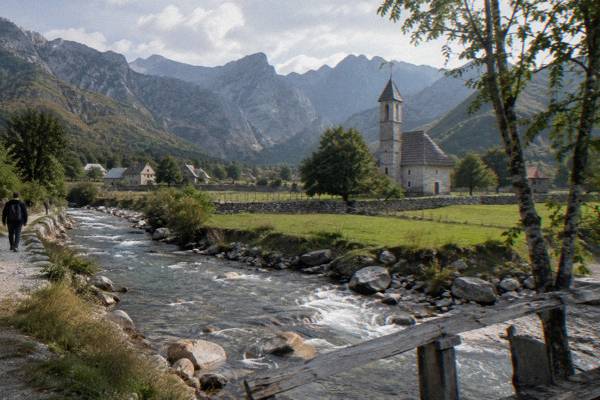
Valbona From Tirana: The Valley And The Pass To Theth
The Valbona Valley is the eastern gateway to the Albanian Alps, reached from Tirana through Shkoder and across Lake Komani.
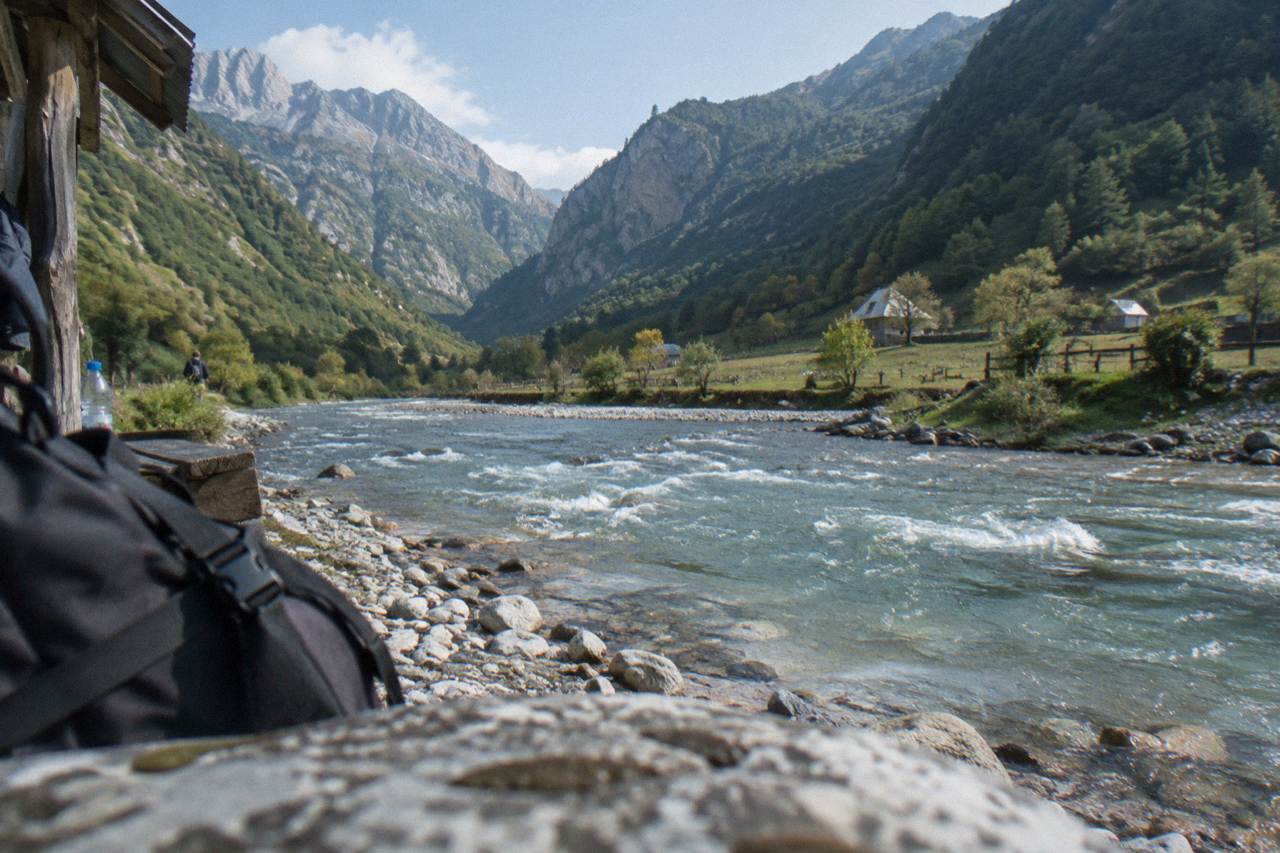
Short answer
Valbona sits in the Albanian Alps in northern Albania. The journey from Tirana to the valley itself runs via Shkoder (about 118 minutes by road from Tirana) and Lake Komani (about 187 minutes by road to the lake), then a boat leg of about 2.5 hours to Fierze, per local reporting. The Valbona to Theth hike is about 14 to 18 km and takes 6 to 9 hours.
The Valbona Valley is a glacier-carved valley in the Albanian Alps, the mountain range in northern Albania that also holds Theth, and it is one of the two classic bases for the famous hike over the pass between them. From Tirana, the capital of Albania at the foot of Mount Dajti, reaching Valbona is a genuine expedition: the route runs north through Shkoder, about 118 minutes and 98 km by road from Skanderbeg Square, then on to Lake Komani, about 187 minutes and 127 km by road from the square, and from there by boat across the reservoir to Fierze, the road head for the valley. For the wider picture of the region, see the companion pages on Theth and the northern mountains and Lake Komani.
Where Is Valbona And What Kind Of Trip Is It From Tirana?
Valbona is a mountain valley in the Albanian Alps in northern Albania, close to the border with Montenegro, and it is an overnight trip from Tirana rather than a day trip: the drive to Lake Komani alone is about 187 minutes and 127 km by road from Skanderbeg Square, before the boat leg to Fierze and the final climb into the valley. The valley is the counterpart of Theth, which lies about 250 minutes and 172 km by road from Tirana on the western side of the same range. Together the two valleys frame the most walked route in the Albanian Alps, the pass between them.
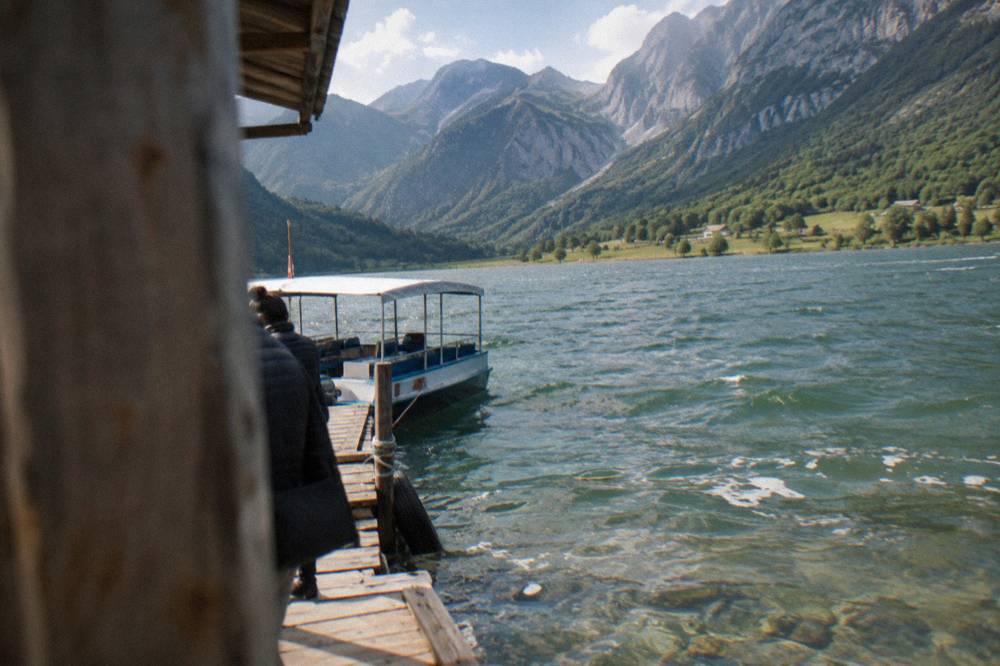
Geography is the reason the trip takes so long. The Albanian Alps are a compact but steep block of limestone peaks, and the Komani reservoir, a long finger of turquoise water dammed in the Drin canyon, is the practical way past the cliffs on the eastern side. The boat from Koman to Fierze takes about 2.5 hours, local guides report, and from Fierze the road follows the Valbona river up into the valley. Confirm sailing times locally before you commit to a schedule, because no operator timetable is carried here.
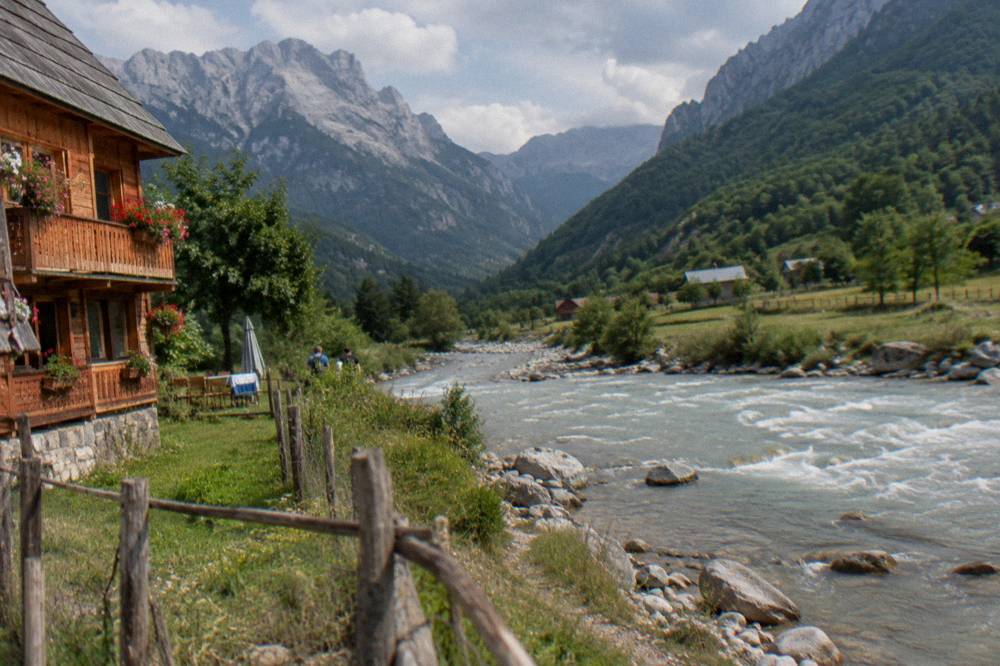
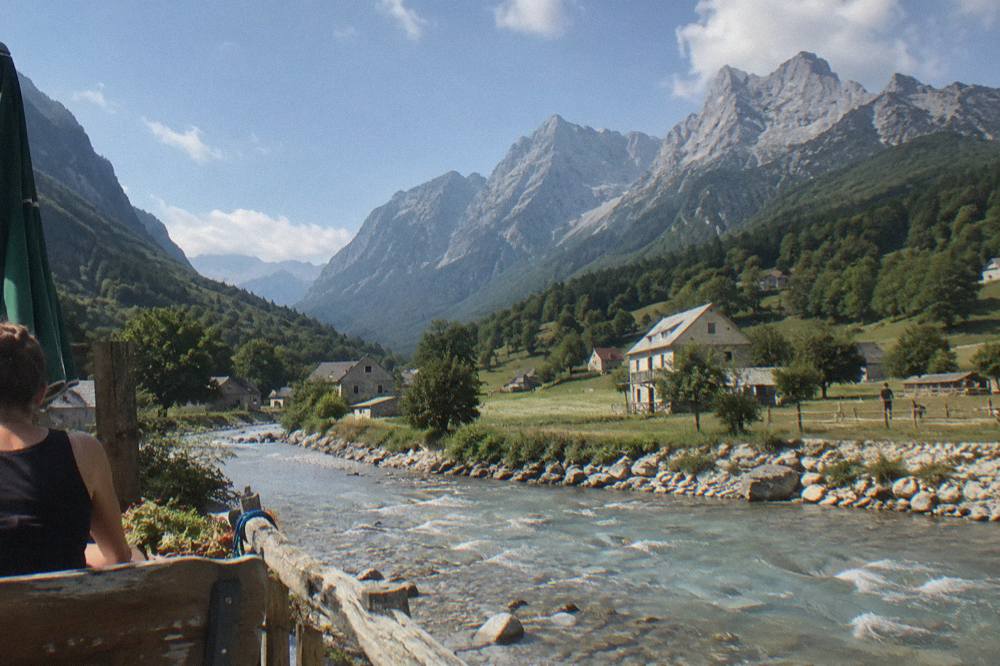
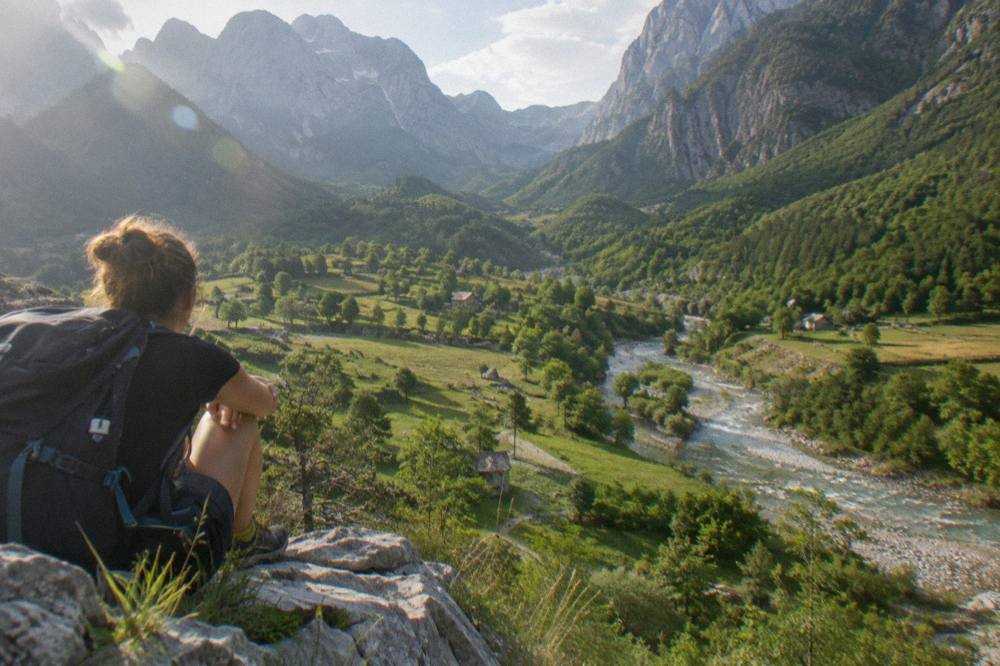
The valley itself is a narrow green corridor of river, meadows and steep forested walls, with guesthouses strung along the single road and peaks closing the view at both ends. It is hiking country, not a sightseeing stop.
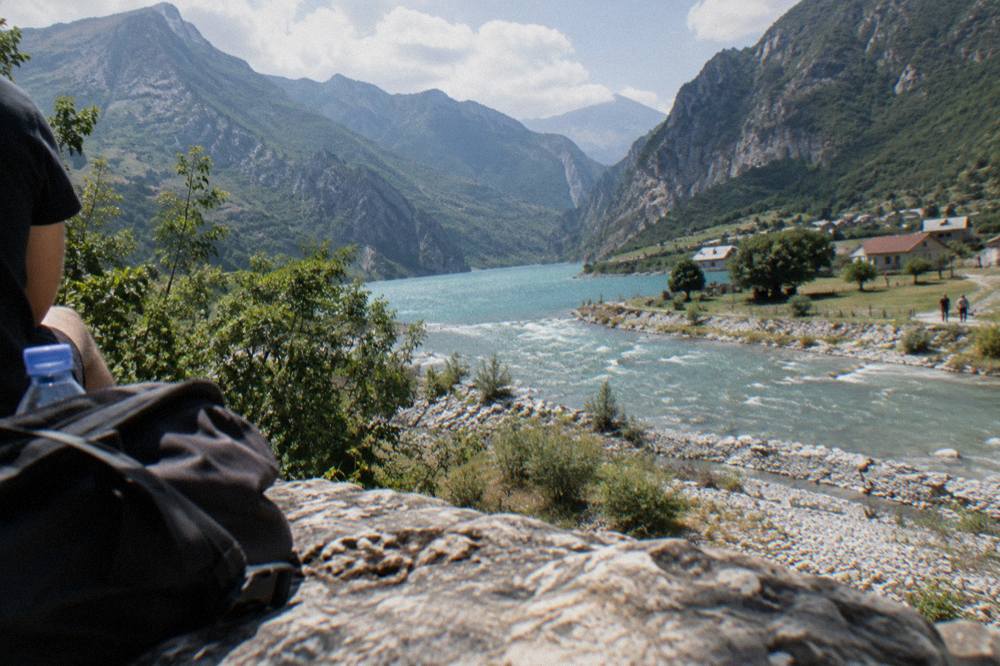
For orientation, here is how the fixed pieces of the journey stack up. Only the road legs from Skanderbeg Square carry figure backing; the rest is either a reported figure with attribution or a matter for local confirmation.
| Leg | Figure | Source |
|---|---|---|
| Tirana to Shkoder by road | About 118 minutes, 98 km | Fixed road figure |
| Tirana to Lake Komani by road | About 187 minutes, 127 km | Fixed road figure |
| Koman to Fierze by boat | About 2.5 hours | Local guides report, confirm |
| Tirana to Theth by road (other side) | About 250 minutes, 172 km | Fixed road figure |
| Valbona to Theth on foot | About 14 to 18 km, 6 to 9 hours | Local guides report, confirm |
How Do You Get From Tirana To Valbona Without A Car?
The standard public route is a bus from Tirana's South and North Bus Terminal to Shkoder, then onward transport to the Komani jetty, then the boat to Fierze, and finally a minibus or taxi up the valley: three or more legs, with intercity fares paid in cash to the driver and ferry tickets bought on the day, so it is a full-day journey each way in practice. The South and North Bus Terminal sits about 4.0 km north-west of Skanderbeg Square, and its published timetable lists Shkoder departures from 05:00 at roughly 30-minute intervals through the day, so early starts are possible. Intercity fares are not printed on official pages: pay the driver in cash, a few hundred lek for nearby towns, and confirm the current fare on board.
The boat leg is the part worth locking down first. Sailings from Koman to Fierze are reported to take about 2.5 hours, but no operator name, timetable or fare appears in any source carried by this site, so book through your guesthouse or a local operator in Shkoder and confirm the departure time the day before. In high summer extra boats run when demand justifies them, local operators say, and in the shoulder season the schedule thins out. Miss the boat and the day is lost, which is the single most common way a Valbona plan collapses.
Driving yourself changes the shape of the trip but not its length. The road figure to the Komani jetty is about 187 minutes from the square, and from Fierze the valley road is narrow and slow. Renting in Tirana is covered on the car rental page discussion of the wider region; if you drive, build in the boat crossing anyway or accept a very long way round via Shkoder and Theth on the western road.
The alternative that removes every leg at once is a guided tour. The related tour on this page covers Theth village and the Blue Eye from Tirana with transport arranged, which reaches the Alps on the western road rather than through Valbona:
And for comparing the options side by side, the trio below pairs the Alps tour with a city walk and a shorter mountain day:
If the full Valbona logistics feel heavy, that is a reasonable reading of the table above, and the mountain day to Lake Bovilla delivers alpine water and cliffs inside a half day.
What Does The Valbona To Theth Hike Involve?
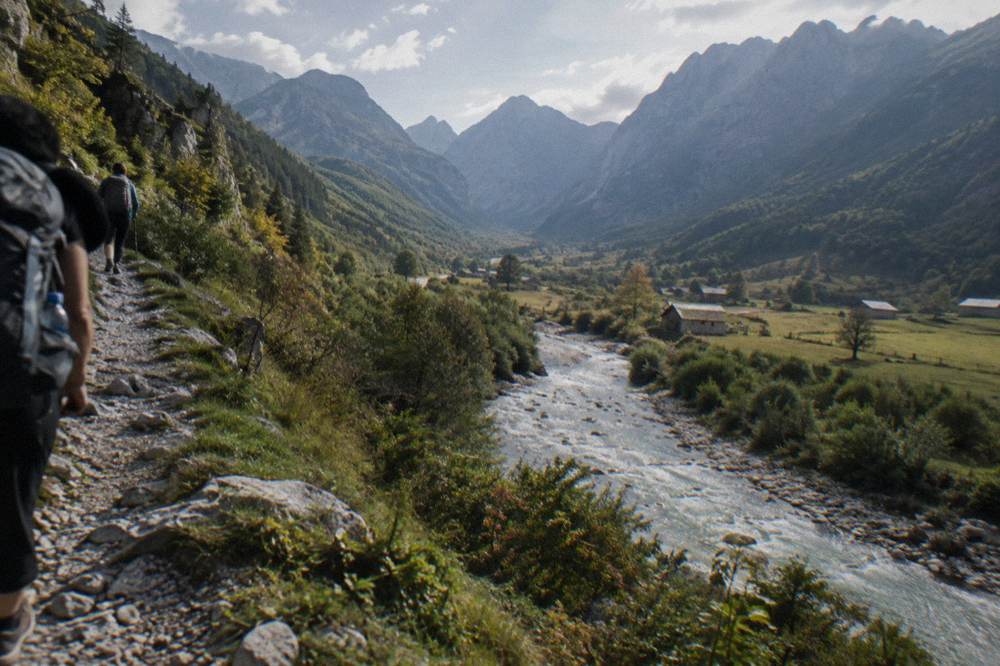
The hike over the Valbona pass to Theth is about 14 to 18 km end to end and takes walkers between 6 and 9 hours, local guides report, crossing a high saddle between the two valleys with a sustained climb on the Valbona side and a long descent into Theth: it is a serious mountain day, not a stroll, and it needs an early start, water, and shoes with grip. The route is a waymarked trail in summer condition, but the pass holds snow later into spring than the valley floors, and no season dates are carried here, so confirm conditions with your guesthouse the night before. Walked west to east, Valbona to Theth, the climb comes first; walked the other way the descent is at the end of the day, which suits people sleeping in Theth and finishing in Valbona for the boat out.
The logistics asymmetry is the real planning question. Theth is reachable by road from Tirana, about 250 minutes, so a two-valley trip can be built as a loop: bus and boat into Valbona, walk over the pass, then road transport out of Theth, or the reverse. Doing the walk as a one-day excursion from Tirana is not realistic given the distances; two days with a night in one valley, or three with a night in each, is the shape that works. The Theth page covers the western valley in detail.
Weather decides more than fitness does. The ERA5 reanalysis for Tirana, 1991-2020, shows the lowlands wet in November (139 mm) and dry in August (31 mm), but the Alps run cooler and wetter than the basin and mountain weather changes fast regardless of season. Take a layer and a shell even on a bright forecast, and treat thunderstorm risk in July and August as a reason to be over the pass by early afternoon rather than on it.
Here is the difficulty picture for the pass route:
| Aspect | What is known |
|---|---|
| Distance | About 14 to 18 km, local guides report |
| Time on foot | 6 to 9 hours, local guides report |
| Marking | Waymarked trail in summer condition |
| Direction | Either way, west-to-east climbs first |
When Is The Best Time Of Year For The Valbona Valley?
The valley season runs from late spring to early autumn, with July and August the busiest months and the lowest-rainfall in the lowlands, where the ERA5 reanalysis for 1991-2020 shows August rainfall at just 31 mm and July at 34 mm for Tirana: but the Alps are not the basin, snow can linger on the pass well into spring, so confirm dates before booking. June offers long days and greener meadows; September brings quieter paths and cooler nights. October can be beautiful and can also be finished as a season, depending on the year, and by winter the valley settles into deep quiet with reduced services.
Rainfall in the lowland record peaks in November at 139 mm and December at 138 mm, which maps onto the Alps as the months when the boat schedule thins, the pass is muddy and the light is short. That is not a blanket ban on an autumn trip, it is a reason to check the boat and guesthouse situation first. The best time to visit Tirana question in the lowlands has a different answer, because the coast at Durres and the city squares keep working all winter while the high valleys do not.
One timing trap worth naming: the pass holds snow later than the road, so a June trip can find the valley in full leaf and the saddle still white. Ask your guesthouse about the pass condition specifically, not just the weather in Valbona village, and build a same-valley fallback day, of which there are several, into any early-season plan.
| Month pattern | Lowland rainfall (ERA5, 1991-2020) | What it means for Valbona |
|---|---|---|
| June | 51 mm | Green, long days, possible late snow on the pass |
| July | 34 mm | Peak season, busiest trails and guesthouses |
| August | 31 mm | Lowest-rainfall lowland month, hot valleys, storm risk high up |
| September | 99 mm | Quieter, cooler, check boat frequency |
| October | 119 mm | Shoulder tail-end, services winding down |
| November | 139 mm | Wet in the record, thin schedules, confirm everything |
Where Do You Sleep And Eat In The Valbona Valley?
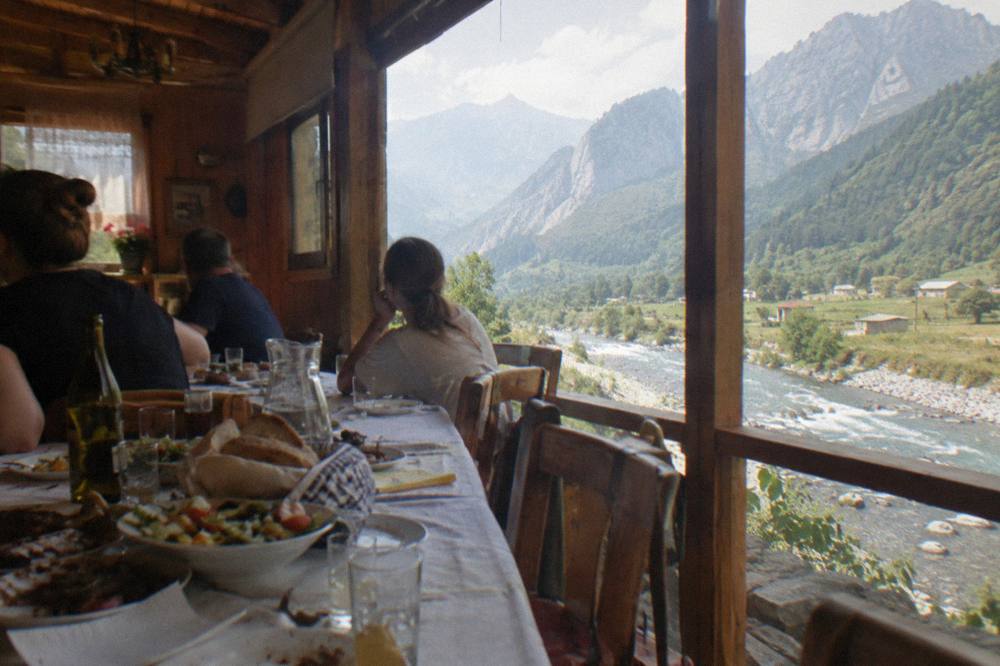
Accommodation in Valbona is guesthouse-based, family-run, and booked ahead in summer, so book through a listing platform or a Shkoder-based operator and expect full-board style meals rather than a restaurant scene. The valley economy is built around walkers: guesthouses typically serve dinner and breakfast to their guests, and packed lunches for the pass are arranged the night before.
The food itself is the northern mountain style. Byrek, the layered filo pie, and qofte, seasoned meatballs, are the everyday staples described in the Albanian food record, and in the Alps dairy and river trout appear alongside them; raki, the fruit brandy, is poured as a welcome and a toast (Gëzuar). The Albanian food tradition in the capital runs broader, but the valley plate is hearty by design, because the pass takes calories.
Practical notes that matter: cash is king in the valley, cards are unreliable and ATMs effectively absent, so carry lek for guesthouse balance, boat tickets and the minibus. The lek is the currency of Albania, roughly 90 to the euro, and the euro is not legal tender, though some guesthouses accept it informally at their own rate. Mobile signal exists in patches and disappears on the pass. None of this is exotic; it is just the difference between a city basin and a high valley.
How Much Does A Valbona Trip Cost From Tirana?
The only figures to plan on are the structure of the costs, cash amounts of a few hundred lek for intercity buses, and whatever a booked tour's listing states at the moment you check it. The line items are: the bus to Shkoder, paid in cash to the driver; onward transport to the Komani jetty; the boat to Fierze; the ride up the valley; a guesthouse night, usually with meals; and the exit leg, either the pass on foot and a road transfer from Theth, or the reverse of the way in. Six legs, five of them payable in cash on the spot.
What can be said with attribution is small but useful. Intercity bus fares around Albania run to a few hundred lek for nearby towns, pay the driver in cash, and the boat crossing has no published fare in any source here, so book it as part of a package or ask the price before boarding. A guided product that bundles the Alps into one booking removes the fare-uncertainty problem entirely, and its price renders from the live listing rather than from this page:
That card is the city-walk anchor of the trio, useful for the Tirana half of the trip; the full comparison set again:
For budgeting shape rather than digits, the table below is the honest ledger. Every cell that says confirm means exactly that: confirm locally, at booking, before you go.
| Cost item | What to expect |
|---|---|
| Bus Tirana to Shkoder | Cash to the driver, a few hundred lek |
| Shkoder to Komani jetty | Local minibus or transfer, confirm fare on booking |
| Boat Koman to Fierze | About 2.5 hours, no published fare, confirm |
| Fierze to Valbona | Minibus or taxi, confirm locally |
| Exit via Theth by road | About 250 minutes back to Tirana |
Valbona Or Theth: Which Side Of The Pass Should You Base On?
Valbona suits travellers arriving through Shkoder and the Komani boat who want the quieter, boat-accessed side of the range, while Theth, about 250 minutes and 172 km by road from Tirana, is the easier base to reach directly and the one with the Blue Eye and the locked-in sights of a village core: the strong answer for fit walkers is to sleep one night on each side and cross the pass on foot between them. The two valleys are not rivals, they are halves of one route, and the loop that uses the boat in and the road out, or the reverse, is the classic Albanian Alps itinerary for exactly that reason.
Choose Valbona first if your route comes from Shkoder or Lake Komani and you want the crossing's climb done in the cool of the morning. Choose Theth first if you are coming from Tirana by road and want a buffer day of village sights before the pass. Either way, the hike itself is the same trail in reverse, and the decision is really about transport geometry, not scenery ranking, since no comparative verdict is carried here and none would be honest.
For trips that cannot stretch to two nights, the guided day option covers Theth and the Blue Eye from Tirana with the driving handled, which is why it leads the trio on this page, alongside the city walk and the Bovilla mountain day. The final pairing of cards, for the decision moment:
What Should You Pack And Know Before The Valbona Trip?
Pack for a mountain, not a city break: broken-in walking shoes, a shell jacket, a warm layer even in August, a water filter or tablets, cash in lek for every leg, a power bank for the signal gaps, and a booking note for the first night, because arriving in the valley without one in July is a gamble. The pass has no water station and no shop; the valley shops are small and seasonal. Sun protection matters more than people expect at altitude, and the trail's exposed middle section holds the day's heat in summer.
Communications and money deserve a line each. Albanian is the language of the valley, and while English proficiency in Albania sits in the moderate band of the EF index and is strongest among younger people in the capital, mountain guesthouse hosts range widely, so a handful of Albanian words earns their weight: Faleminderit (thank you), Ju lutem (please), Mirëmengjes (good morning), Gëzuar (cheers). A curious local habit worth knowing before you nod along: an upward chin tilt can mean no, and a side-to-side wobble yes, visitors report, which is reversed from Western norms and has confused more than one negotiation about a boat seat.
Safety in the mountains is ordinary mountain safety: tell the guesthouse your route, start early, turn back if the weather turns, and keep an eye on the time against the last boat. The emergency numbers in Albania are Police 112, Ambulance 127 and Fire 128. Watch your belongings at the jetty crowds in summer, and otherwise the valley's risks are weather, footing and schedule, in that order.
Common Questions About Valbona
Can you visit Valbona as a day trip from Tirana?
Not realistically. The road leg to Lake Komani alone is about 187 minutes from Tirana, the boat to Fierze takes about 2.5 hours per local reporting, and the valley road follows, so the honest plan is one or two nights. A guided day tour covers Theth on the western road instead.
How long is the Valbona to Theth hike?
About 14 to 18 km, taking 6 to 9 hours, local guides report. Confirm trail conditions with your guesthouse, because the pass holds snow later into spring than the valleys.
How do you get to Valbona from Tirana without a car?
Bus from the South and North Bus Terminal to Shkoder, onward transport to the Komani jetty, the boat to Fierze, then a minibus or taxi up the valley. Confirm the sailing time the day before; no timetable is carried here.
Which is better, Valbona or Theth?
No comparative verdict is carried here. Valbona is the boat-accessed, quieter side; Theth is the road-accessed side with the village sights. Fit walkers sleep a night on each side and cross the pass between them.
When is the best time to hike the Valbona pass?
Late spring through early autumn, with July and August the busiest and lowest-rainfall lowland months in the 1991-2020 reanalysis record.
Do you need cash in the Valbona Valley?
Yes. Cards are unreliable and ATMs effectively absent, so carry lek for guesthouse balances, the boat, meals and minibuses. The lek is Albania's currency, roughly 90 to the euro, and the euro is not legal tender.
The Valbona Valley rewards the effort of reaching it precisely because it stays a little awkward to reach: plan the legs, book the nights, confirm the boat, and the pass will take care of itself. For everything else from the capital, start with the Tirana Albania Travel Guide round-up of the city and its day trips.