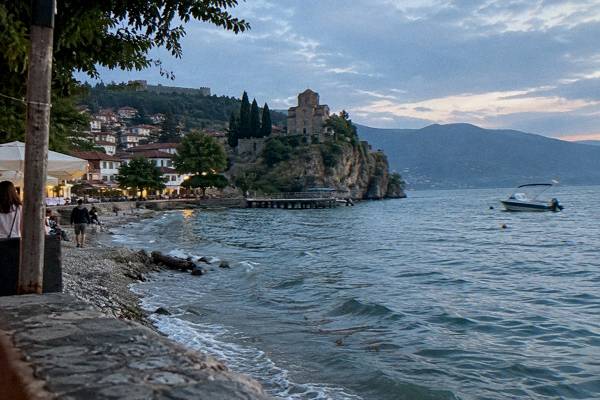
Ohrid Day Trip From Tirana: Across The Border To The Lake
Ohrid sits about 130 km and roughly two and a quarter hours by road from Tirana, on the far side of a national border, and the lake it rests on is shared with Albania.
Short answer
Ohrid is about 130 km and around 135 minutes by road from Skanderbeg Square in Tirana, plus a border crossing into North Macedonia. The Albanian shore of the same lake, at Pogradec and Lin, is about 141 minutes without a border.
Ohrid is the one famous lake town that Tirana cannot claim, and that is exactly why it keeps pulling day-trippers out of the Albanian capital. Tirana itself is an inland city in a basin at the foot of Mount Dajti, so water on this scale always means a drive: the Adriatic at Durres is about 37 km west, and Lake Ohrid lies about 130 km and roughly 135 minutes by road to the south-east, on the other side of a national frontier. The town of Ohrid belongs to North Macedonia. The lake does not. Its western shore is Albanian territory, the towns of Pogradec and Lin, and a stretch of the water was inscribed by UNESCO as part of a joint natural and cultural property extended to Albania in 2019.
For a wider look at the capital's options, start with things to do in and around Tirana, and for more border-crossing trips see the Tirana to Ohrid transport guide.
How Far Is Ohrid From Tirana And How Long Does The Drive Take?
Ohrid town is about 130 km from Skanderbeg Square by road, roughly 135 minutes of driving before any border wait, in North Macedonia rather than Albania. The same lake's Albanian shore is closer in spirit if not in minutes: Pogradec is about 123 km and roughly 141 minutes from the square, with no border at all. Neither figure includes time at the crossing itself.
Those two drive times sit surprisingly close together, which surprises people who assume the foreign side of the lake must be much further away. The practical difference is not distance but the frontier. Driving to Ohrid means leaving Albania, entering North Macedonia, and repeating both formalities on the way home, all inside one day.
For scale, here is how the Ohrid trip compares with other popular days out from the capital:
| Destination | Country | Road distance from Skanderbeg Square | Approximate drive time |
|---|---|---|---|
| Petrela Castle | Albania | about 14 km | about 22 minutes |
| Durres | Albania | about 37 km | about 39 minutes |
| Kruja | Albania | about 37 km | about 45 minutes |
| Lake Bovilla | Albania | about 21 km | about 61 minutes |
| Shkoder | Albania | about 98 km | about 118 minutes |
| Pogradec | Albania | about 123 km | about 141 minutes |
| Ohrid | North Macedonia | about 130 km | about 135 minutes, plus the border |
| Berat | Albania | about 125 km | about 122 minutes |
| Gjirokaster | Albania | about 219 km | about 209 minutes |
Drive times are road times in normal conditions, not timetables, and border queues are not included for Ohrid because no reliable figure exists for them. Plan the day around the crossing, not against it. If mountain lakes inside Albania appeal without a frontier, Lake Bovilla and its hiking answers cover a much shorter alternative.
Do You Need A Passport To Visit Ohrid From Tirana?
Yes, a valid passport is the safe assumption, because Ohrid is in North Macedonia and a day trip from Tirana crosses two international borders in each direction. Albania is outside the EU and outside Schengen, so its frontier with North Macedonia is a full external border with passport checks both ways. Albania's own 90-days-in-180 visa-free regime governs the return leg.
A few entry details matter here. Albania grants visa-free entry for 90 days in any 180-day period to visa-free nationals, counted separately from any Schengen allowance; UK passports should have at least three months of validity beyond the planned departure; and US passport holders can stay up to a year without a visa, a figure reported from the Albanian foreign ministry's published regime that is worth confirming before travel. North Macedonia sets its own, separate entry rules, and those are not covered by Albanian sources: check the current requirements for your nationality before committing to the day.
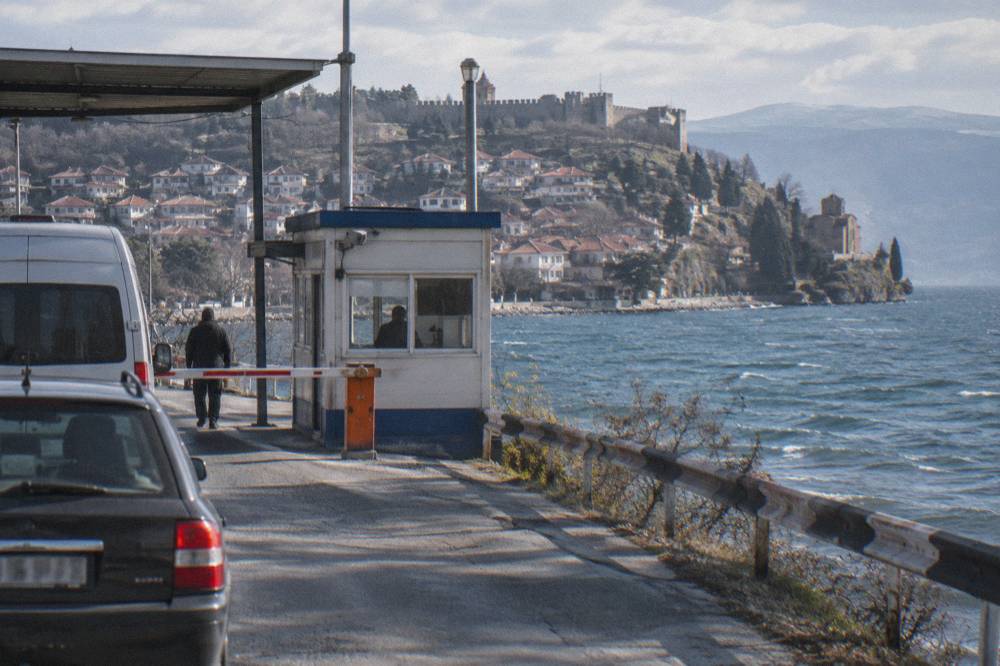
Because Albania sits outside Schengen, the EU's new entry systems do not apply at its own border, but that says nothing about North Macedonia's side. Carry the passport, not an ID card, unless you have confirmed your nationality is exempt. A guard may ask where you are staying or for how long, and a same-day return is a perfectly normal answer on this route.
Practical border notes worth holding onto:
| Question | Short answer |
|---|---|
| Is Ohrid in Albania? | No, the town is in North Macedonia; the lake is shared |
| Is a passport needed? | Yes, for the crossing, unless your nationality is confirmed exempt |
| Is Albania in the Schengen area? | No, it is an EU candidate country outside Schengen and the EU |
| Does the EU's EES or ETIAS apply at the Albanian border? | Reported no, because Albania is outside Schengen; confirm before travel |
| Can I re-enter Albania the same day? | Yes, the 90-in-180 regime is counted, not consumed, by a day trip |
The organisational questions around a crossing like this are the same ones covered in the site's Albania travel tips guide, which also addresses the US entry question in detail.
If a border adds more friction than you want on a single day out, guided alternatives inside Albania fill the same slot, and the related Berat and Belshi Lake trip is the closest match in spirit: a historic town, a lake, and a guided itinerary, all without a frontier.
What Can You Realistically See In Ohrid On A Day Trip?
A day trip from Tirana buys roughly four to five hours in Ohrid itself once the drive and two border crossings are subtracted, which is enough for the old town on the hill, the fortress walls, a walk along the shore, and one monastery or church, but not for a boat trip and a swim as well. Treat it as a highlights visit, not a survey of the town's dozens of churches.
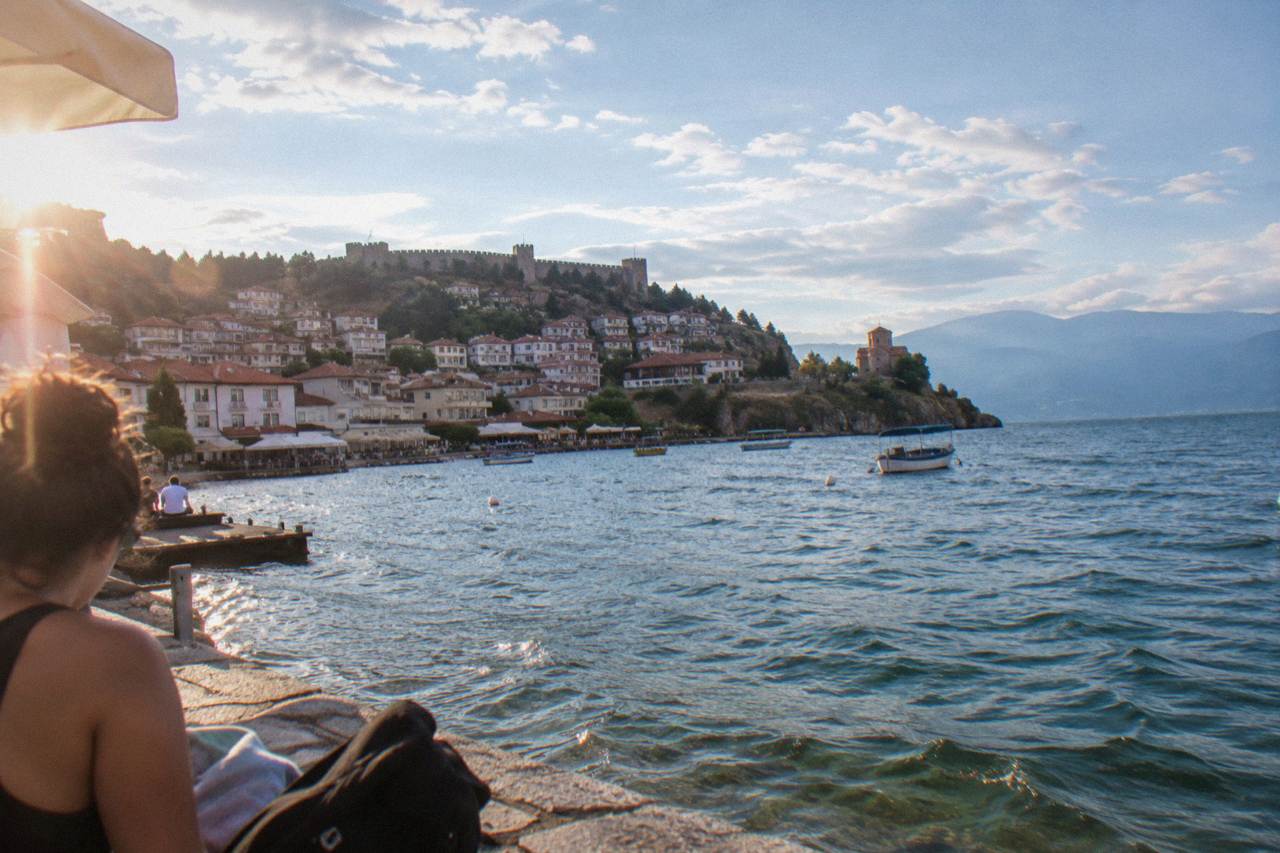
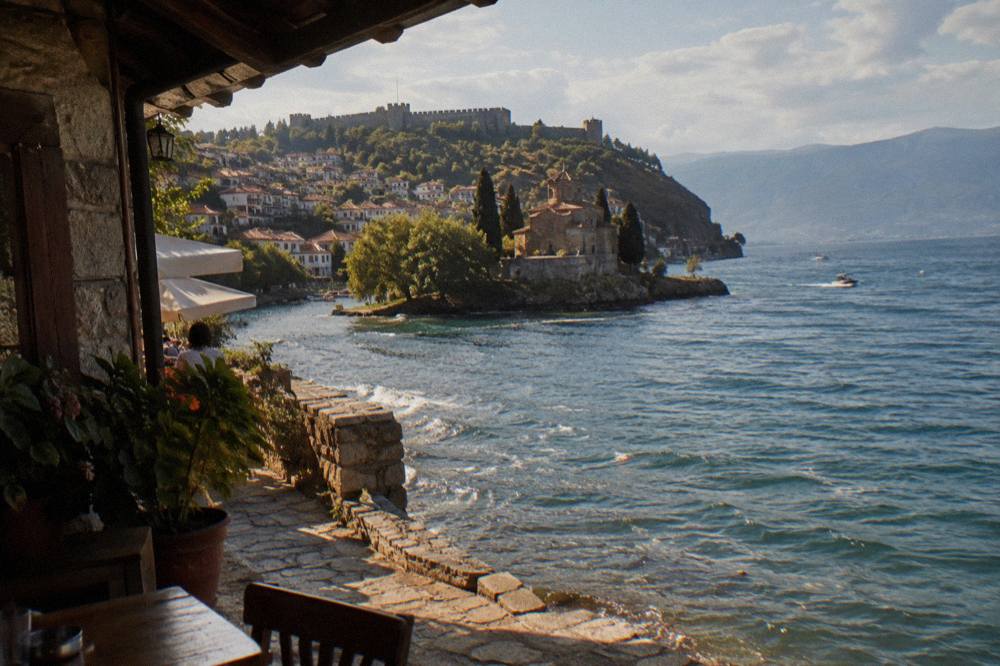
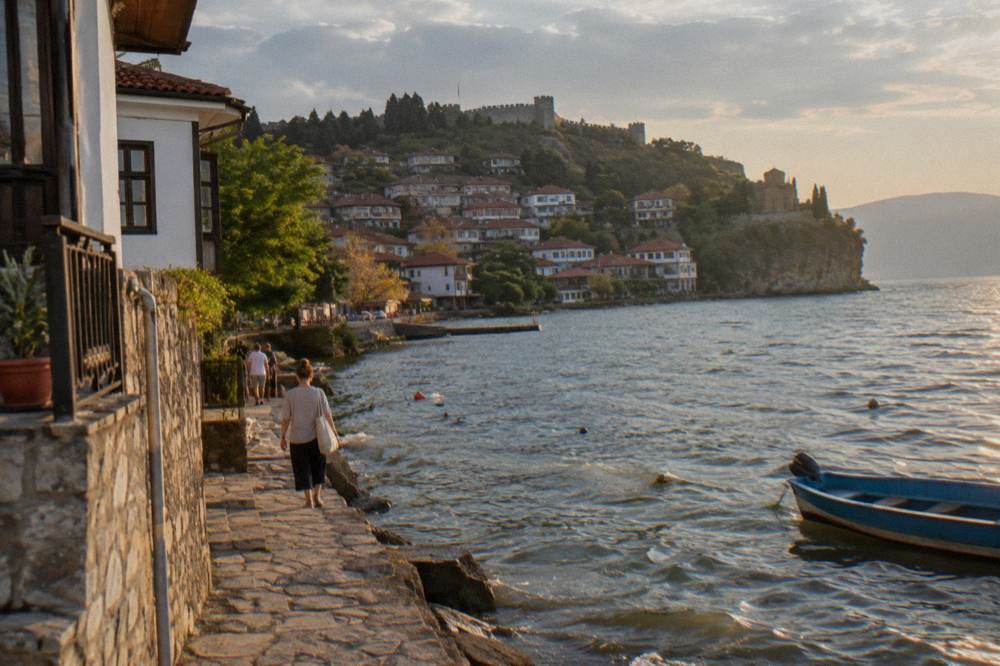
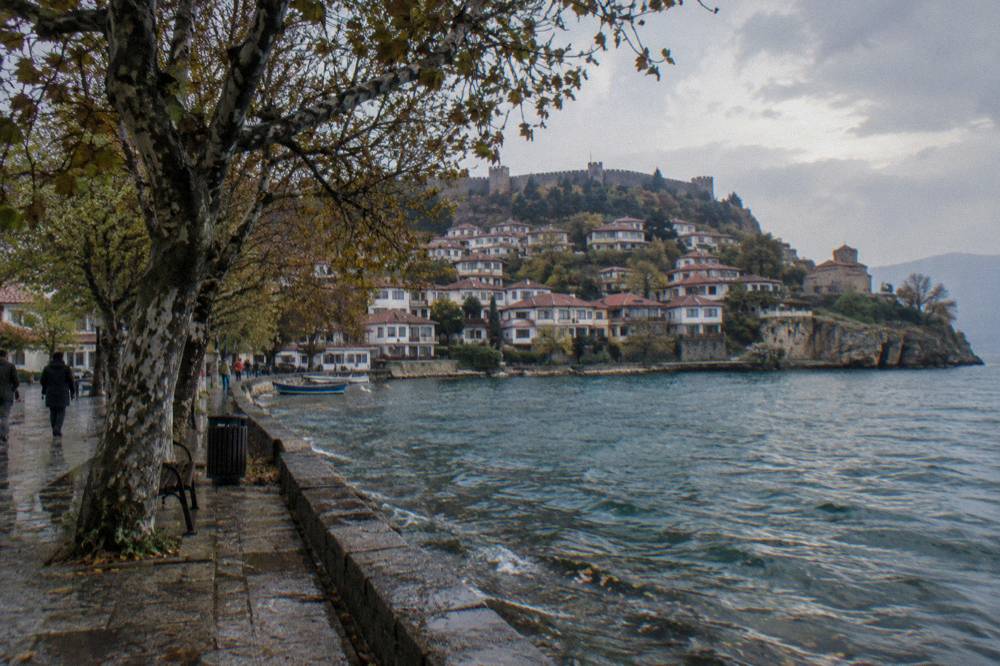
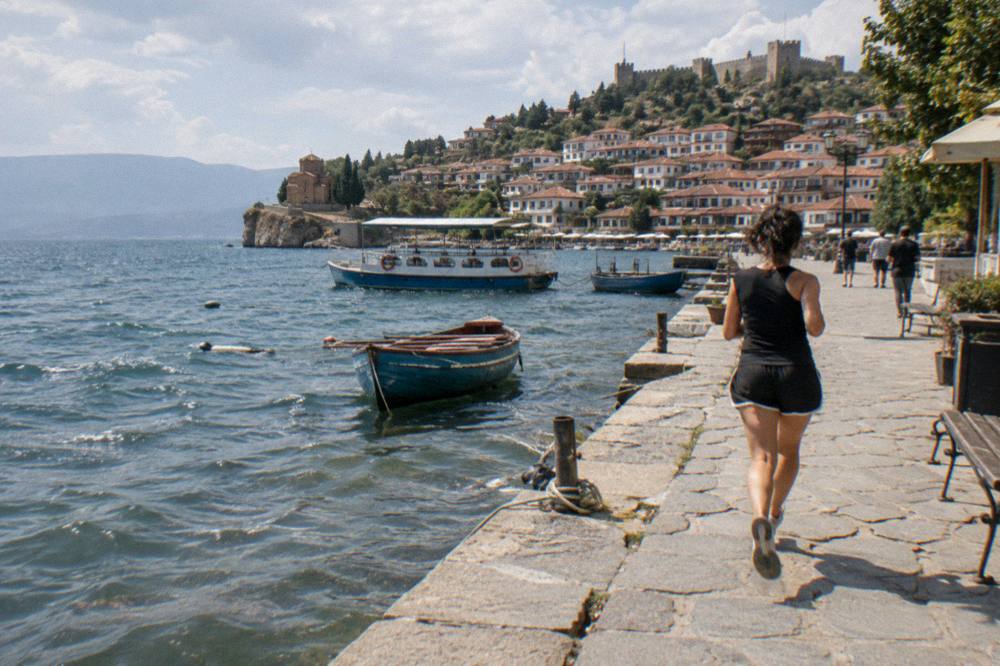
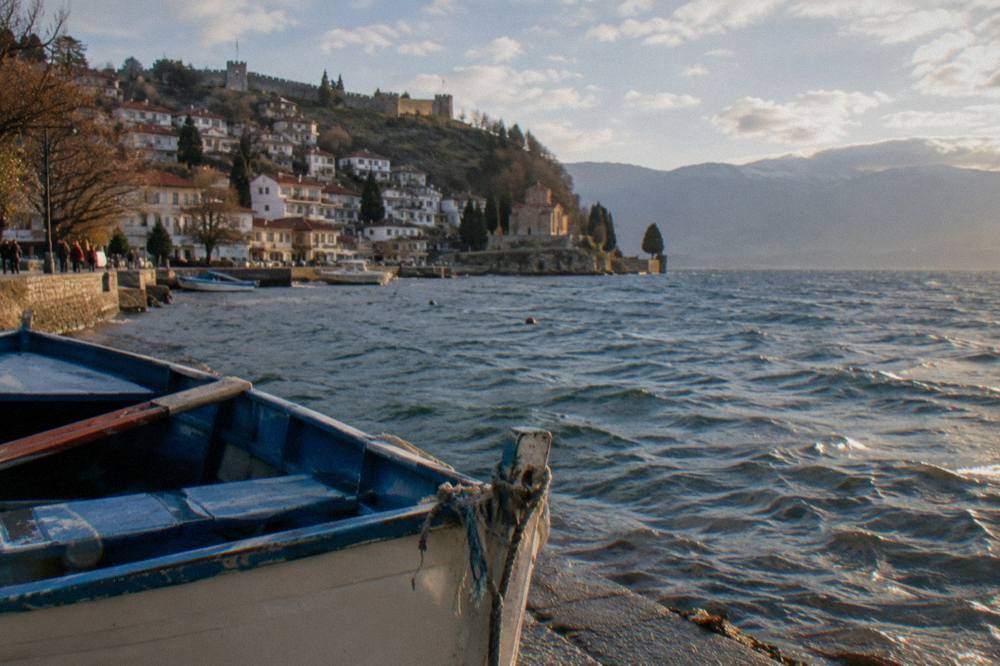
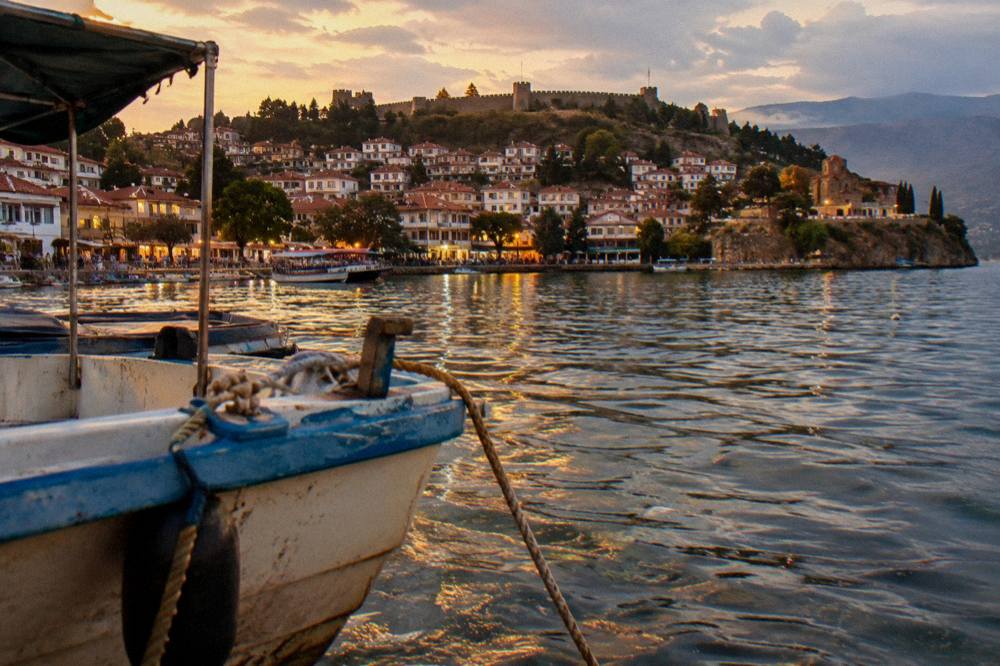
Ohrid's old town climbs a hill above the lake, with Samuel's Fortress at the top and lanes dropping to a waterfront promenade. The town's monasteries and churches are its core draw, and the lake setting does the rest. The UNESCO listing that protects the region, the Natural and Cultural Heritage of the Ohrid Region, was inscribed in 1979 and 1980 for the North Macedonian side and extended to the Albanian part of the lake in 2019, which makes the whole basin one internationally recognised landscape.
No entry fee or opening hours for any Ohrid sight are held in this site's fact base, so confirm current prices locally before going. A sensible single-day shape looks like this:
| Time | Plan |
|---|---|
| Early morning | Leave Tirana; border crossing into North Macedonia |
| Late morning | Arrive Ohrid; walk the old town lanes upward |
| Midday | Fortress viewpoint, then lunch on the waterfront |
| Afternoon | One church or monastery visit, shore walk |
| Late afternoon | Depart; second border crossing back into Albania |
| Evening | Arrive Tirana |
Two cautions shape the day. First, in October 2026 demonstrations have been held in central Tirana since 13 October, and the FCDO updated its Albania advice on 15 October, so check conditions before an early start from the centre. Second, autumn light comes early: sunrise in Tirana in late October is around 07:00 and sunset not long after 17:00, so a late departure eats daylight at the lake.
Is The Albanian Side Of Lake Ohrid An Alternative To Ohrid Town?
Yes, Pogradec and Lin sit on the same lake about 141 minutes from Skanderbeg Square with no border crossing at all, and the Albanian shore now shares the same UNESCO inscription extended to it in 2019. The trade is direct: quieter shoreline, fewer monuments, and no passport, versus Ohrid's fortress and monastic old town across the frontier.
Pogradec is the Albanian lake town, a promenade-and-restaurant place at the water's edge, and Lin is the small village on the peninsula north of it whose lakeshore formed part of Albania's slice of the UNESCO extension. Drilon, the spring-fed parkland just outside Pogradec, rounds out the Albanian side. None of these carry entry fees or hours in this site's fact base, and none need them: the shore itself, the walks, and the water views are the substance. The rest of the planning pages sit on Tirana Albania Travel Guide.
The honest comparison:
| Factor | Ohrid (North Macedonia) | Pogradec and Lin (Albania) |
|---|---|---|
| Border crossing | Yes, both directions | None |
| Drive from Skanderbeg Square | about 130 km, roughly 135 minutes | about 123 km, roughly 141 minutes |
| UNESCO status | Inscribed 1979 and 1980 | Albanian part added in 2019 |
| Main draw | Fortress, old town, churches | Shoreline, Lin peninsula, Drilon springs |
| Currency needed | North Macedonian denar | Albanian lek |
| Best for | First-time visitors wanting the famous town | A relaxed, frontier-free lake day |
The Pogradec day trip guide covers the Albanian shore in full, and the site's overview of Where To Stay In Tirana: Centre, Blloku Or Near The Lake helps if you decide to turn either lake visit into an overnight instead.
Should You Drive, Take A Bus, Or Book A Tour To Ohrid?
Driving gives the most control and the easiest border transit, since the Qafe Thane crossing between Albania and North Macedonia sits on the lakeside route; a tour removes navigation and border paperwork from your day entirely; a self-managed bus is the cheapest but least flexible option, because schedules on an international route eat into a short day.
Driving your own car means carrying vehicle documents acceptable at the crossing and budgeting for fuel plus any local parking; the lakeside road via Pogradec and the Qafe Thane pass is the natural route. A guided tour handles pickup, the border, and the itinerary in one booking, which is why it dominates this route. The bus option exists but with no published timetable or fare, so anyone considering it should confirm current departures at Tirana's international bus terminal, which publishes routes toward North Macedonia and Kosovo from its site on the Tirana-Elbasan highway.
Money matters on both sides of the border. Albania's currency is the lek, roughly 90 to the euro, and the euro is not legal tender there; North Macedonia uses the denar. Cards are widely taken in central Tirana's hotels, larger restaurants and supermarkets, but cash still rules for buses, markets and small cafes, so carry lek for the Albanian leg and a small amount of denar, or a card you have confirmed works, for Ohrid itself.
One further driving note: the last stretch of road from the border down to Ohrid town runs along the northern shore of the lake, and it is the scenic high point of the whole route, so if you are driving yourself, plan the arrival in daylight. A rental car also lets you stop at Lin or Pogradec on the return, something neither a tour bus nor a scheduled coach will do.
The trade-offs at a glance:
| Option | Control | Border handling | Schedule risk |
|---|---|---|---|
| Own car or rental | Full | You handle documents both ways | Border queues |
| Guided day tour | Low | Operator plans the crossing | Fixed itinerary, group pace |
| Independent bus | Medium | You handle passports | Check the timetable locally, long day |
If you would rather keep the whole day inside Albania, the trio above also includes two domestic mountain options: the Bovilla Lake and Gamti hike and the Dajti cable car half day, both covered in the picks band. For a domestic alternative of similar length to Ohrid, the Berat day trip guide is the natural comparison, and Shkoder adds a second northern option.
When Is The Best Time Of Year For An Ohrid Day Trip?
Late spring through early autumn is the comfortable window: Tirana's mean highs run 22.7 C in May, 29.8 C in July and 30.4 C in August, with the year's lowest rainfall in August at 31 mm, while November is the highest-rainfall month at 139 mm, all per the ERA5 reanalysis, 1991-2020. The lake sits at altitude, so shoulder-season days can feel sharper than the capital's numbers suggest.
Summer brings the crowds and the clearest water but also the heat of the basin drive. September softens both: Tirana's mean high drops to 25.7 C and rainfall rises to about 99 mm, so it is a compromise month rather than a dry one. Winter days remain feasible on paper, with a January mean high of 10.8 C in Tirana, but short daylight and wet-month totals of 106 mm in January and 138 mm in December make the long drive harder to justify.
One event-date caution: if your day trip touches a national holiday on either side of the border, crossings get busier and the Dajti Ekspres and other Albanian attractions report their busiest periods on national holidays. Nothing about a specific Ohrid festival date appears in this site's fact base, so check the town's own calendar before pinning a date.
A seasonal sketch:
| Period | Tirana mean high | Tirana rain | Notes for the lake day |
|---|---|---|---|
| May | 22.7 C | 89 mm | Green hills, comfortable walking |
| July | 29.8 C | 34 mm | Hot, busy, clearest water |
| August | 30.4 C | 31 mm | Peak season on both shores |
| September | 25.7 C | 99 mm | Softer heat, occasional rain |
| November | 16.5 C | 139 mm | Wet; short daylight |
Rain-day contingencies inside the capital are collected in the rainy day itinerary, and the fuller climate picture sits in the site's weather coverage linked from one day in Tirana.
Is An Ohrid Day Trip Better Than An Overnight?
An overnight is the calmer plan and the only one that fits both shores: the drive and two border crossings consume most of a day trip's margin, leaving Ohrid itself a compressed highlight visit, whereas a night lets you add the Albanian shore, a boat, or an evening walk after the day-trippers leave. A day trip works only for visitors set on a single, early-starting, fortress-and-old-town circuit.
The arithmetic is stark. Roughly 135 minutes of driving each way, plus two border formalities, plus the Qafe Thane approach road, means the lake town gets what remains of the middle of the day. Visitors who want a swim, a monastery circuit, or a long lunch will feel the clock. Splitting the trip, with a night in Ohrid and the return via Pogradec and Lin, converts the same distance into a relaxed loop through both countries and both halves of the UNESCO property.
For travellers with only one day and no appetite for a border at all, the better option is to stay Albanian: the Durres coast day trip swaps the lake for the Adriatic in about 39 minutes of driving, Petrela Castle is a 22-minute option, and the far-north Theth debate answers the same "is one day enough" question for the Alps. The related Berat and Belshi Lake tour remains the strongest like-for-like substitute for Ohrid's town-and-lake formula, and its live listing carries the current price and dates.
Common Questions About Ohrid Day Trips From Tirana
Is Ohrid in Albania or North Macedonia?
Ohrid town is in North Macedonia; a day trip from Tirana crosses an international border. The lake is shared, and its Albanian shore, at Pogradec and Lin, is reachable without any crossing.
How long is the drive from Tirana to Ohrid?
About 130 km and roughly 135 minutes by road from Skanderbeg Square, before any waiting at the border. The Albanian shore at Pogradec is about 123 km and roughly 141 minutes.
Do I need my passport for an Ohrid day trip?
Yes. Albania is outside the EU and Schengen, so its frontier with North Macedonia is a full passport border in both directions. Check North Macedonia's entry rules for your nationality before you go.
Is the Lake Ohrid UNESCO site on the Albanian side too?
Yes. The Natural and Cultural Heritage of the Ohrid Region was inscribed in 1979 and 1980 for the North Macedonian side and extended to the Albanian part of the lake in 2019.
Can I visit Ohrid and Pogradec in one day?
It is a tight fit. Both sit close to the same road, but two border crossings plus two towns in roughly eleven hours of daylight leaves little margin. An overnight makes the combined loop comfortable.
What currency do I need in Ohrid?
North Macedonia uses the denar, and Albania uses the lek, roughly 90 lek to the euro; the euro is not legal tender in Albania. Carry lek for the Albanian leg and confirm your card or carry a small amount of denar for Ohrid.