Ferries To Albania: Italy, Corfu And The Port Of Durres
Albania's ferry gateway is Durres, on the Adriatic coast about 37 km and 39 minutes by road from Tirana. Adria Ferries and GNV sail there from Italy, and everything a Tirana traveller needs to know starts with that port.
Short answer
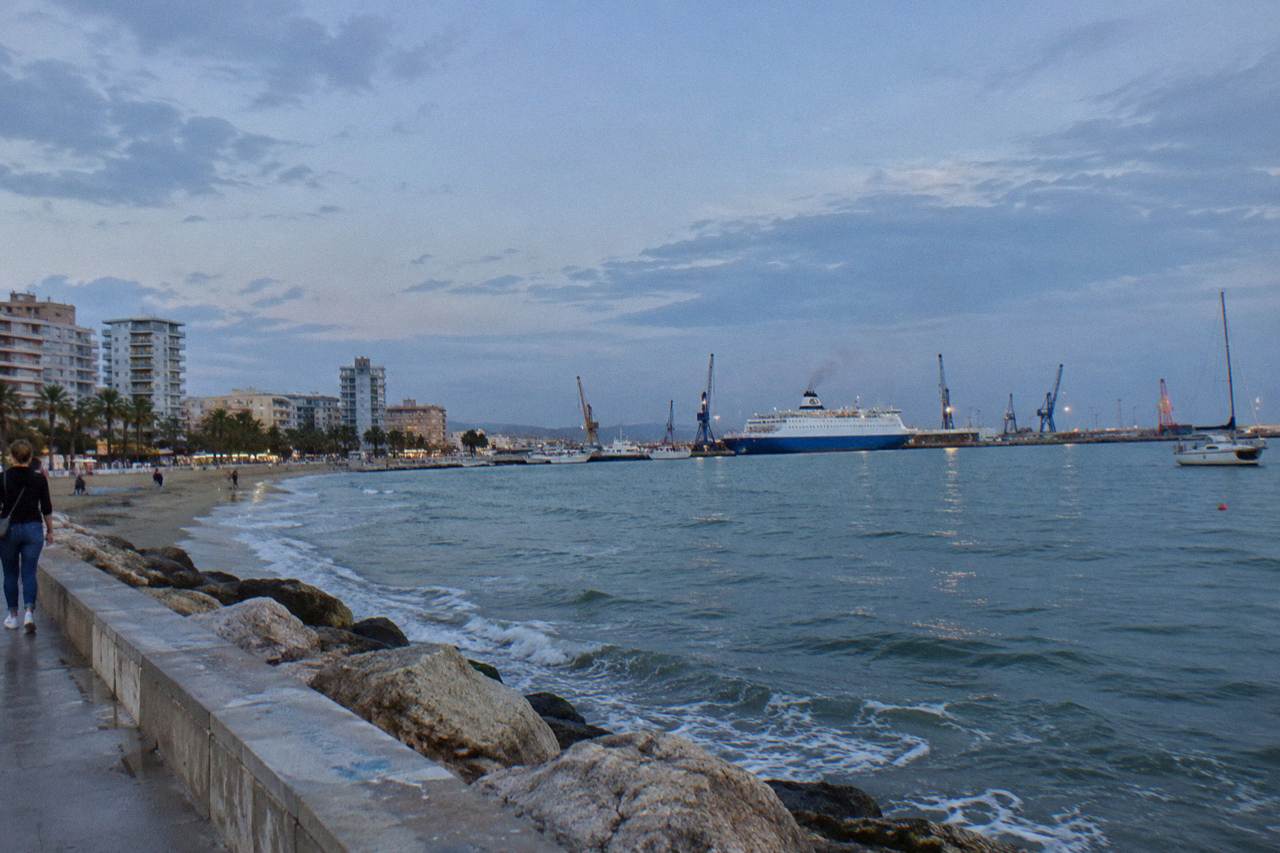
Adria Ferries runs Bari to Durres and Ancona to Durres, and GNV runs Bari to Durres. Bari to Durres takes roughly 10 hours and Ancona to Durres roughly 16 to 17 hours; Durres port is about 39 minutes and 37 km by road from Skanderbeg Square in Tirana, with buses from the South and North Bus Terminal from 06:00.
Albania's main passenger ferry port is Durres, on the Adriatic coast about 37 km and 39 minutes by road west of Tirana, the inland capital at the foot of Mount Dajti. Two operators run scheduled international sailings into that port from Italy: Adria Ferries, which lists both a Bari to Durres line and an Ancona to Durres line on its own site, and GNV, which runs Bari to Durres. The port itself is managed by the operator AFTO. Every other question a ferry traveller asks, from how to reach the port from Tirana to whether a Corfu boat can be part of the trip, flows from those few facts, and this guide works through them in order.
Which Ferries Sail To Albania From Italy?
Adria Ferries operates Bari to Durres and Ancona to Durres, and GNV operates Bari to Durres, per the operators' own pages, and all of them arrive at the single Adriatic port of Durres. The crossing from Bari takes roughly 10 hours, and the crossing from Ancona roughly 16 to 17 hours. Check the operator's timetable before booking, because departure days and sailing times change with the season.
That is the whole picture of the Italy to Albania ferry market. Adria Ferries' own timetable page lists both of its lines, and GNV maintains a dedicated Bari to Durres page. No other Italian port or operator is listed by these companies, so anyone finding a Brindisi, Trieste or Ventouris sailing in a search result should treat it with caution and confirm directly with the operator before planning around it. The port authority operator AFTO confirms daily Bari links and other Italy connections into Durres.
A rough sense of the geography helps. Durres sits on the Adriatic, directly west of Tirana, which is an inland city in a basin with no coast of its own. Bari is the closest major Italian port across the water, and Ancona is further north up the Italian coast, which is why its sailing runs several hours longer.
| Route | Operator | Typical crossing time | Source |
|---|---|---|---|
| Bari to Durres | Adria Ferries | Roughly 10 hours | Listed on the operator's own page |
| Bari to Durres | GNV | Roughly 10 hours | Listed on the operator's own page |
| Ancona to Durres | Adria Ferries | Roughly 16 to 17 hours | Listed on the operator's own page |
| Durres port management | AFTO | Port operator | Confirms the Italy links |
Crossing times quoted above are reported figures from the operators' own material and should be confirmed at booking, since timetables shift between winter and summer. The Tirana Albania Travel Guide covers the rest of the country's transport picture, including the airport bus and the intercity terminals, in its getting around Tirana guide.
How Do You Get From Durres Port To Tirana?
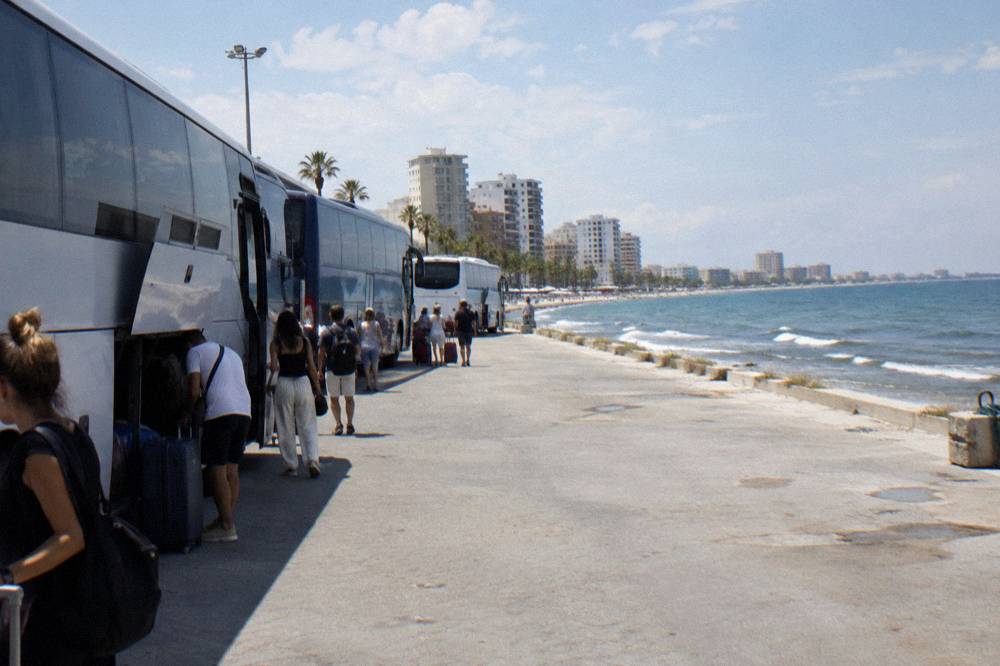
Durres port is about 39 minutes and 37 km by road from Skanderbeg Square in Tirana, and intercity buses to Durres leave from the South and North Bus Terminal, which publishes Durres departures from 06:00 at short intervals through the day. The terminal sits 4.0 km north-west of the square. Pay the driver in cash; intercity fares are not printed on official pages.
The road run between the two cities is short and flat, which is why so many ferry arrivals end the same day in Tirana. There is no train option at present: the Tirana to Durres railway is being rebuilt, with electrification expected to finish by the end of 2027, and until then the trains in Albania are simply not part of a Durres arrival plan. The bus and a taxi or transfer are the real choices.
Anyone driving off the ferry should know the basics of local roads before setting off, covered in the site's driving in Albania guide. Driving is on the right side, and drink-driving is zero tolerance under the tightened 2026 road rules, a point worth remembering after a long crossing with a bar on board.
| Leg | Distance | Time | Notes |
|---|---|---|---|
| Durres port to Skanderbeg Square | About 37 km | About 39 minutes | By road |
| Tirana square to South and North Bus Terminal | 4.0 km | Short city hop | Terminal is north-west of the square |
| Terminal Durres departures | Not applicable | From 06:00 | Short intervals, timetable on Tirana.al |
Is There A Ferry From Corfu To Albania?
The natural route, Corfu to Saranda, is widely written about in travel blogs, but no operator, crossing time or frequency appears in the material this guide is built on. Travellers should confirm any Corfu to Saranda sailing directly with operators before building an itinerary around it.
The geography explains the interest. Saranda sits on the Ionian coast opposite the Greek island of Corfu, and the two are close enough that a short crossing looks obvious on a map. A reader who needs that link should contact Corfu port offices or Saranda operators directly.
It also matters for planning scale. Saranda is about 248 minutes and 253 km by road from Tirana, a long way down the Ionian coast. Even with a confirmed crossing, a Corfu arrival is not a quick hop into the capital; it is a full day of driving or an overnight stop. The far south of the country, including Butrint at about 271 minutes and 267 km, is covered on this site's beaches near Tirana page in terms of what is realistic from the capital.
Can You Arrive In Albania By Ferry And Drive To Tirana The Same Day?
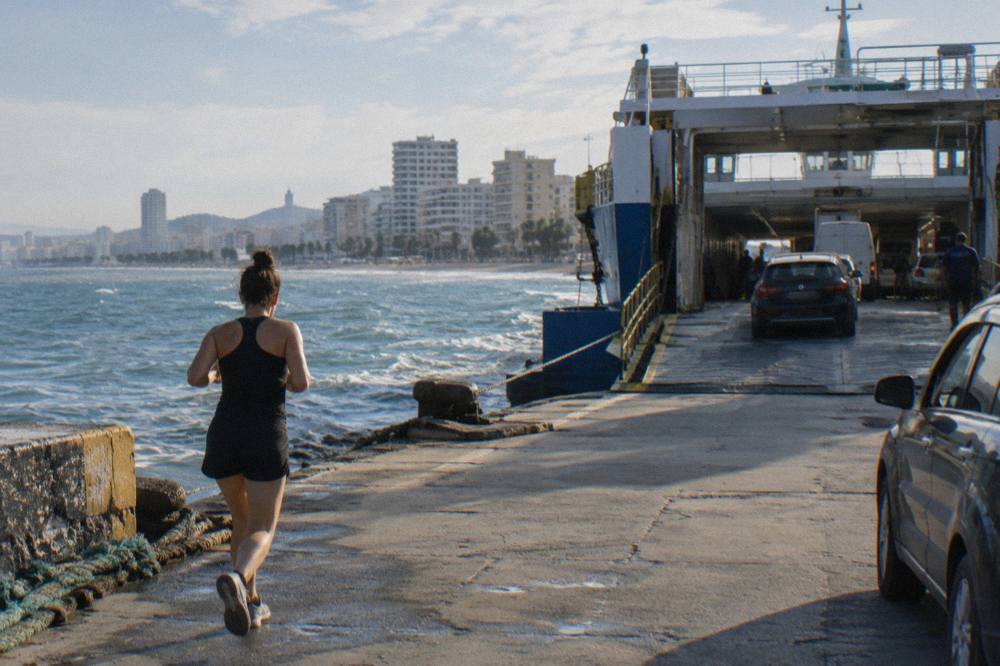
Yes. A morning arrival at Durres port puts you about 39 minutes and 37 km by road from Skanderbeg Square, so even after passport control and unloading, Tirana is reachable well before evening. The bottleneck is the sailing itself: the Bari crossing takes roughly 10 hours and usually departs in the evening, so the same-day drive follows an overnight arrival.
That rhythm, evening departure from Italy, overnight crossing, morning disembarkation at Durres, suits a capital-first itinerary. Car hire desks exist at Tirana's airport and in the city, covered in the car rental in Tirana guide, and Durres itself has vehicle rental options around the port. Drivers entering with their own car should check Albania's entry rules for foreign-plated vehicles at booking, since border paperwork is not covered in this guide.
Non-drivers have the simplest path of all. Disembark, reach the Durres side of the intercity run, and take a bus toward the capital; the Tirana-bound services arrive at the South and North Bus Terminal, from where a city bus or short taxi ride finishes the journey to the centre. The whole sequence is documented in the site's Tirana bus stations guide.
| Step | Detail |
|---|---|
| Sail from Italy | Evening departure typical; roughly 10 hours from Bari, 16 to 17 from Ancona |
| Arrive Durres port | Morning arrival on the overnight pattern |
| Drive to Tirana | About 39 minutes and 37 km by road to Skanderbeg Square |
| Without a car | Intercity bus toward Tirana, arriving at the South and North Bus Terminal |
| Terminal to centre | 4.0 km north-west of the square; city bus or taxi |
What About The Komani Lake Ferry?
The Komani lake ferry to Fierze takes about two and a half hours, a figure reported by local guides rather than a published timetable, and no operator, fare or schedule can be carried here. It is a domestic sightseeing crossing through the Albanian Alps, not international transport, and it pairs naturally with the Shala river stop at the far end of the lake.
This is the ferry question that matters to a Tirana traveller with a day to spare, because Komani lake lies about 187 minutes and 127 km by road from Skanderbeg Square, and the water itself is the destination. The crossing runs through a steep reservoir gorge often described as fjord-like, and boats pause at the Shala river, a turquoise inlet with summer beach operations. Everything operational, which operator, when it sails, what it costs, needs confirming at booking. Everything else covered here is indexed on Tirana Albania Travel Guide.
Because the drive is long and the boat schedule is not published, the practical route for a visitor is an organised day trip. The Komani Lake and Shala River day trip covers transport from Tirana or Durres, the crossing and the Shala river stop in one package, removing the guesswork from the lake's unpublished timetable. For independent travellers, the Komani lake page lays out the geography.
Do You Need A Passport Or A Visa For The Ferry To Albania?
Albania is outside the EU and Schengen and runs its own visa regime: visa-free nationals may stay 90 days in any 180-day period, counted separately from Schengen. UK passports must be valid at least three months beyond the planned departure from Albania. The EU's EES and ETIAS entry systems do not apply at the Albanian border.
Passport control happens at Durres port just as it does at the airport, so the same rules govern a ferry arrival. The site's Albania entry requirements page carries the full detail, including the concession allowing some visa-required nationals holding used EU, UK or US visas or permits to enter visa-free. US passport holders can stay up to a year without a visa, a figure reported from official US and Albanian sources and worth confirming before a long stay.
One point of hygiene for ferry travellers specifically: the overnight crossing means arriving in the morning with a whole travel day ahead, and border queues at Durres can move slowly when a full ship disembarks at once. Nothing quantifies the wait, so arrive with no onward booking that depends on a precise minute.
| Traveller | Rule | Source basis |
|---|---|---|
| Visa-free nationals | 90 days in any 180 | Albanian foreign ministry |
| UK citizens | 90 of 180 days; passport valid 3 months beyond departure | FCDO entry page |
| EU citizens | 90 of 180 days; national ID card accepted | Reported from official tables |
| US citizens | Up to 1 year visa-free | Reported from official sources |
| Schengen EES / ETIAS | Do not apply; Albania is outside Schengen | Albania is not an EU member |
What Does A Ferry Arrival Mean For A Tirana Itinerary?
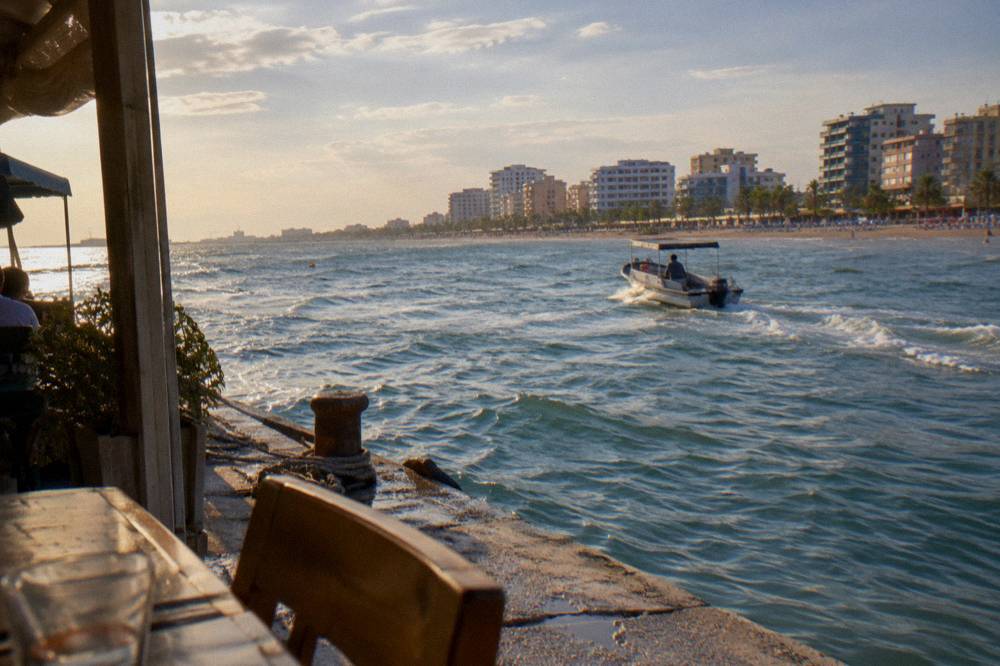
A Durres arrival works best as a coast-to-capital sequence: land at the port, spend the morning on Durres beach or at the Roman amphitheatre, then drive or bus the 37 km to Tirana in under an hour. Ferries arrive on the Adriatic, Tirana sits inland at the foot of Mount Dajti, and the 39-minute road link between them makes the pairing almost frictionless.
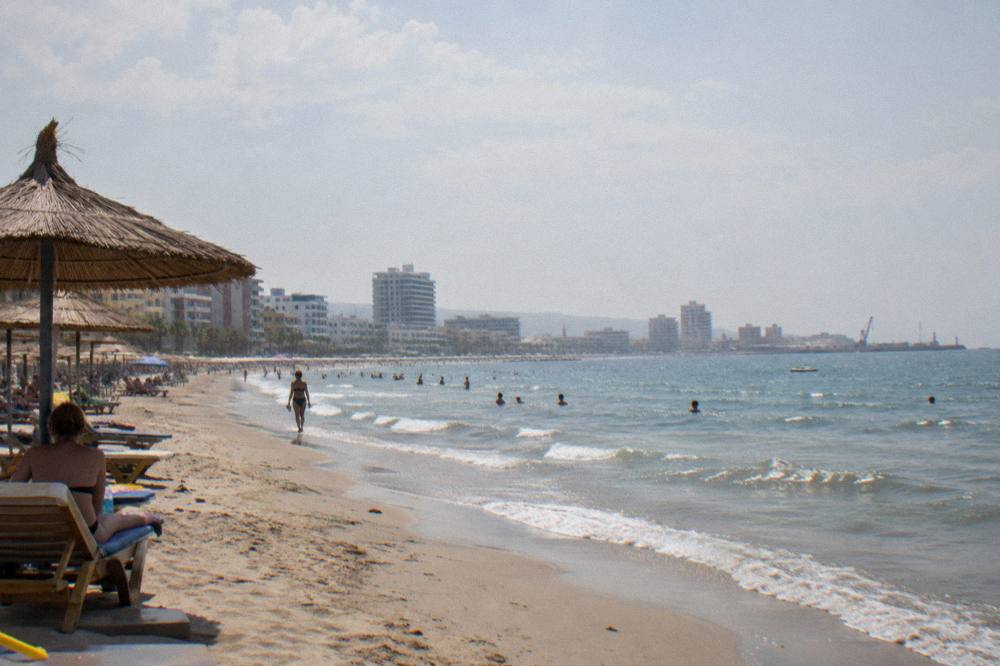
Durres rewards the stop. The Roman amphitheatre costs a few hundred lek to enter, reported at about 300 lek, and the Archaeological Museum about 800 lek, both figures to confirm on arrival. The city's long sandy beach fronts the Adriatic, and Lalzi Bay stretches north of the port as a quieter sandy stretch. The Durres day trip page maps all of it.
Then the capital takes over. First-time visitors can orient with the free walking tours, pick a food tour in the Blloku quarter, and reserve a day for Mount Dajti via the Dajti Ekspres cable car, whose fares are sold only at the lower station. The things to do in Tirana roundup and the Tirana to Durres guide carry the full sequences in both directions.
How Much Should A Ferry Trip To Albania Cost?
No ferry fare is available: neither operator publishes prices online, and no ticket figure for the Italy to Durres lines or the Komani lake boat has been confirmed on an official page. The costs that are settled are on land: the airport bus at 400 lek, the city bus at about 40 lek, and lek as the currency at roughly 90 to the euro.
The honest budgeting approach is structural. Ferry prices respond to season, cabin class and vehicle length, so the number that matters is the one on the operator's live booking page on the day you search. On the Albanian side, daily spending is in lek, cards are widely taken in central Tirana hotels and larger restaurants while cash rules buses and markets, and the site's Tirana prices and Albanian lek pages explain the money mechanics without inventing figures.
Timing shifts both ferry demand and city comfort. July and August are the hot, dry months, with mean highs of 29.8 C and 30.4 C respectively in the ERA5 reanalysis for 1991-2020, while November is the highest-rainfall month at 139 mm of rain. The best time to visit Tirana and Tirana weather pages give the month-by-month picture, and summer is when the Bari crossing is busiest.
What Are The Alternatives To The Ferry?
Flying into Tirana International Airport Nene Tereza at Rinas is the main alternative, with the airport 15.9 km and about 29 minutes by road from the centre and a 24/7 airport bus at 400 lek running hourly. There is no airport train and no running Tirana-Durres train; the railway rebuild is expected to finish electrification by the end of 2027.
The airport bus stops behind the Palace of Opera and Ballet on Skanderbeg Square, runs every full hour around the clock, and takes 30 to 40 minutes, with the ticket valid all day. An official airport taxi costs about 2,200 lek one way. The full breakdown, including the terminal line at 300 lek, is on the Tirana airport to city centre page.
Land borders are the third door. International buses run from a separate terminal on the Tirana-Elbasan road toward Prishtine daily from 06:00, with further services toward Skopje, Ohrid, Podgorica, Athens and beyond. Ohrid town itself is in North Macedonia, so that ride includes a border crossing; the drive is about 135 minutes and 130 km to the border region. None of these is a ferry, but each competes for the same traveller deciding how to reach an inland capital.
Common Questions About Ferries To Albania
Which ferry companies sail to Albania from Italy?
Adria Ferries runs Bari to Durres and Ancona to Durres, and GNV runs Bari to Durres, per the operators' own pages. All sailings arrive at the Adriatic port of Durres.
How long is the ferry from Italy to Albania?
The Bari to Durres crossing takes roughly 10 hours, and Ancona to Durres roughly 16 to 17 hours. Departure days and times change with the season, so check the operator's timetable before booking.
How far is Durres port from Tirana?
Durres is about 39 minutes and 37 km by road from Skanderbeg Square in Tirana. Intercity buses run from the South and North Bus Terminal, with Durres departures from 06:00.
Is there a ferry from Corfu to Saranda?
Confirm directly with operators before planning around that route, and remember Saranda is about 248 minutes by road from Tirana.
Do you need a passport for the ferry to Albania?
Yes. Albania is outside the EU and Schengen and runs passport control at Durres port. Visa-free nationals get 90 days in any 180, and UK passports must be valid at least three months beyond departure.
Can you take a car on the ferry to Albania?
The Italy to Durres ferries are vehicle-carrying services, and driving on to Tirana takes about 39 minutes from the port. Confirm vehicle paperwork and charges with the operator at booking, and note Albania's zero-tolerance drink-driving rule.
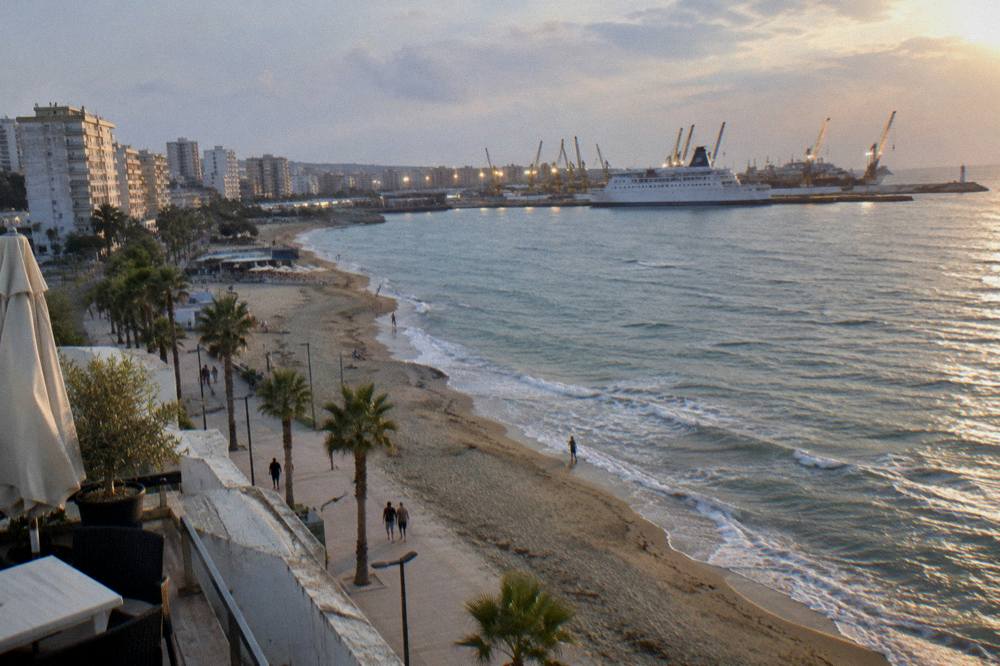
The short version: the ferry to Albania means an overnight crossing from Bari or a long one from Ancona, a morning arrival at Durres, and a 39-minute road hop into a capital that sits, unexpectedly for a country with 362 km of coastline, inland at the foot of a mountain. Book the sailing with the operator, keep lek for the bus, and let the port do the border formalities while the sun comes up over the Adriatic.