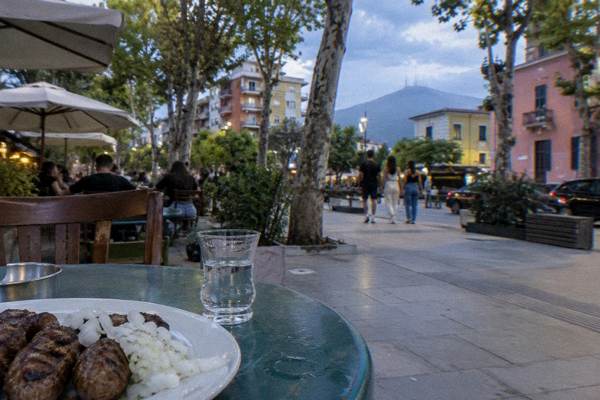
Can You Drink Alcohol In Albania?
Alcohol is legal and widely available in Albania and its capital Tirana, from raki to wine to bar-rich Blloku. Here is what the rules actually say about age, drinking and driving.
Yes, you can drink alcohol in Albania. Tirana, the capital, is an inland city at the foot of Mount Dajti with a busy cafe and bar culture, and alcohol is legal, sold in supermarkets, restaurants and bars, and served openly alongside meals. Two rules matter more than anything else on the practical side: the sale of alcohol to anyone under 18 is prohibited, and drink-driving is zero tolerance, with the rules tightened further in August 2026 per ATA reporting. The Albanian lek is the currency, roughly 90 lek to the euro, and cards are taken in larger restaurants while cash still rules in small cafes.
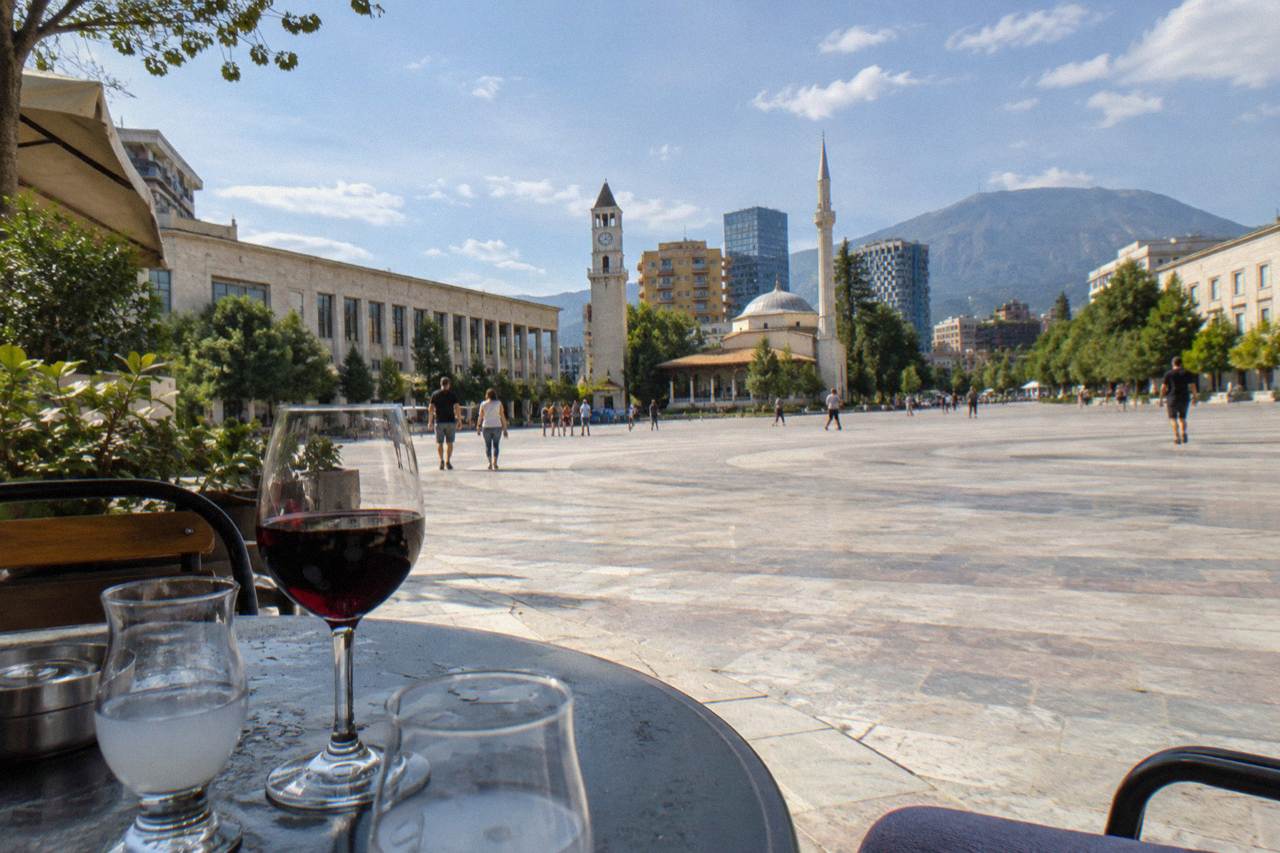
Yes, alcohol is legal and freely available throughout Albania, and Tirana in particular has a visible drinking culture built around cafes, restaurants and the bar quarter of Blloku, about 0.8 km south of Skanderbeg Square. There is no prohibition and no restriction on tourists buying or drinking alcohol in licensed premises. The two legal limits that apply to everyone are the minimum purchase age of 18 and a zero-tolerance rule on driving after any alcohol.
Albania is a secular country with no state religion, which shapes the practical answer more than any law about drink itself. The 2023 census, as reported by ATA, put the Muslim share of the population at about 45.9 percent, Catholic about 8.4 percent and Orthodox about 7.2 percent, with large shares not declaring a denomination or religion. In practice, restaurants and bars across the capital serve alcohol without regard to religion, and the country's own drink traditions, above all raki, a fruit brandy, are part of ordinary hospitality. If you want the wider religious context, see Is Albania An Islamic Country?.
The practicalities are simple. Alcohol is sold in supermarkets and small shops, and supermarkets and malls are reported to open seven days a week. The currency is the Albanian lek, and the euro is not legal tender, so expect prices in lek. Cards are widely taken in hotels, larger restaurants and supermarkets in central Tirana, while cash remains the norm in small neighborhood cafes, so carry some lek for an evening out that wanders off the main streets.
Where To Drink In Tirana: Bars, Restaurants And Blloku
The main drinking district in Tirana is Blloku, the former closed quarter about 0.8 km south of Skanderbeg Square, now a compact grid of cafes, bars and restaurants that local guides report is the centre of the city's nightlife, with Pazari i Ri, the New Bazaar about 0.6 km east, as the other focus for evenings built around food. Restaurants across the centre serve wine, beer and raki with meals, and no area of the capital is off-limits to drinking in licensed premises.
Blloku's story is unusual and worth knowing before you go. Under the communist regime that ruled from 1944 to 1991, this was where the party leadership lived, and ordinary people could not enter it. Today it is the opposite: the quarter's streets are where Tirana's cafe culture is at its densest, and an evening walk here moves past bar after bar. The scene runs late by northern European habits, and the details of what each venue is like change fast, so treat any specific bar recommendation you read elsewhere with caution and pick by what you see.
Restaurants, each with its own official site, include Era Blloku in the Blloku quarter serving Albanian and Mediterranean dishes, Artigiano for Italian and Mediterranean food, and Padam, a boutique hotel and restaurant on Rruga Papa Gjon Pali II. Sophie Caffe is a cafe chain found at several locations for a daytime stop. A slower, food-led evening pairs well with a guided walk: the Byrek and Qofte Food Tour link shows the live listing for a Taste of Albania food tour that combines byrek and qofte with the city's food stops.
If your evening is more about bars than dinner, the fuller picture of the after-dark city, including what the centre feels like at night and how people move around it, is covered in Is Tirana Nightlife Good? and Is It Safe To Walk Around Tirana At Night?.
What Is The Legal Drinking Age In Albania?
The legal minimum age for buying and being served alcohol in Albania is 18. Albanian law No. 9518 of 2006 prohibits the sale and offering of alcohol to minors, a rule that applies in shops, bars, restaurants and clubs across the country, including Tirana. Passport checks are not systematic, but licensed venues are legally required not to serve anyone under 18, so anyone who looks young should carry ID on a night out.
That is the reported state of the law, and it is the only age-related figure that should be quoted. There is no separate, lower rule for beer or wine, and no exemption for drinking with a meal at home in company; the statute covers minors in public places including bars, restaurants and clubs. For adult visitors, the practical version is simple: if you are clearly over 18, the age law will never touch your trip.
One related point that catches visitors out is the drinking water, not the alcohol. The UK FCDO health page for Albania states plainly: "Do not drink the tap water in Albania, as it may cause illness. Only drink bottled water." Bars and restaurants serve bottled water as standard, and that is also what should be mixed with or chased after spirits. The full picture is in Can I Drink Albania Tap Water?.
Can You Drink Alcohol In Public Places In Albania?
There is no blanket national ban reported on adults drinking alcohol in public places in Albania, and in Tirana you will see drinks on cafe terraces and in park-adjacent bars throughout the centre. What the law regulates most firmly is behaviour: disorderly intoxication is what gets people in trouble, not the existence of a bottle. Rules for specific squares or parks can be set locally and change, so confirm locally if you plan an outdoor picnic with alcohol.
This is the part of the question where reliable detail is thin and firm claims should be avoided. Unlike the age limit and the driving rule, public-consumption rules are not laid out on a single official page in a form a visitor can quote. The safe framing is this: drink in bars, restaurants and licensed terraces freely, treat open containers in the street as something to avoid rather than test, and follow what the venue or the local signage says. Skanderbeg Square, the great pedestrian space at the city's heart, is best enjoyed with a coffee or a bottle of water rather than a beer in hand, and the Grand Park about 2.1 km south-east is a family space first.
A note on behaviour at the table rather than on the street: the head nod. Visitors widely report that in Albania an upward chin-lift or tilt means "no" and a side-to-side wobble means "yes", the reverse of Western habit. It matters when a waiter asks whether you want another raki.
What Do People Drink In Tirana? Raki, Wine And Beer
The three drinks that define Tirana's tables are raki, a fruit brandy usually made from grapes, wine from Albanian-grown varieties, and beer, with imported spirits and cocktails widely available in the bar quarter. Raki is the one with a social role: it is offered as a welcome, poured in small glasses and drunk in sips, and refusing the first pour is harder than finishing it. A tasting stroll or a cooking class is the easiest way to meet all three in one evening.
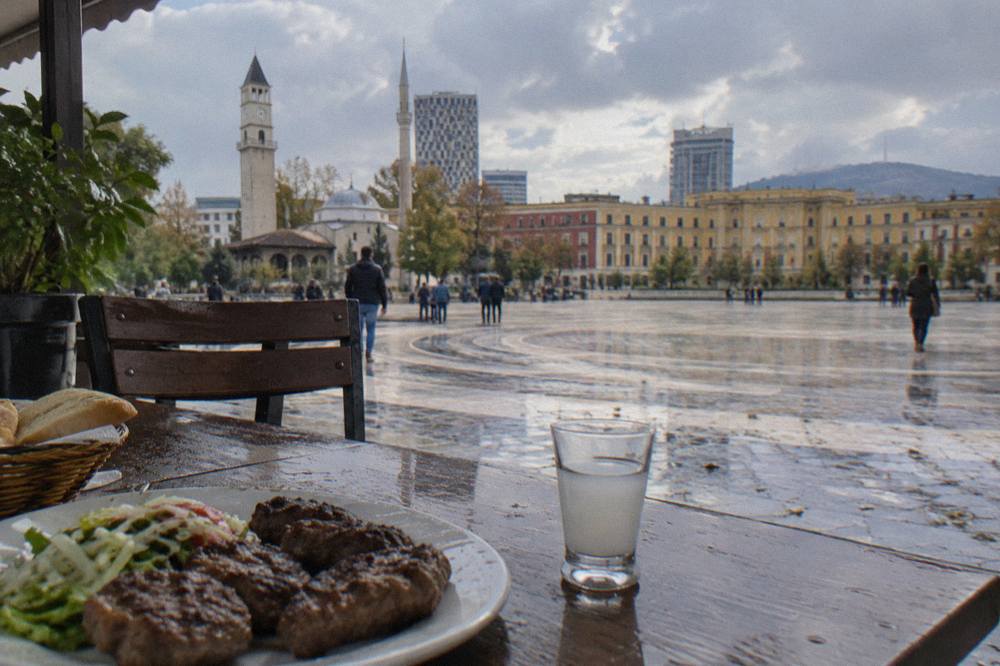
Each of the classic drinks deserves one plain sentence. Raki is a fruit brandy, typically grape or plum. Wine in Albania leans on local varieties grown inland and along the coast, and restaurant lists in the capital carry them alongside Italian and French bottles. Beer is the everyday choice, served cold everywhere from Blloku to the kiosks near Pazari i Ri. Qofte, seasoned grilled meatballs, are the standard accompaniment, and byrek, a layered filo pie, is the daytime counterpart to an evening pour. Cooking classes and food walks pour raki as a matter of course, and the evening show format puts traditional music and dance alongside dinner and drinks.
For the money side of a night out, prices vary too much from venue to venue for any figure to be useful, so check menus before you sit down; the wider budget picture is in Is Tirana Cheap Or Expensive? and, for the notes and coins themselves, Does Albania Use The Euro?. Tipping customs are covered separately in Do You Tip Waiters In Albania?.
Drinking And Driving In Albania: The Zero-Tolerance Rule
Driving after any alcohol is prohibited in Albania under a zero-tolerance rule, and per ATA reporting the road rules were tightened further in August 2026, with drink-driving and phone use specifically targeted and penalties increased. This applies on every road classification and to every driver, with stricter limits still for drivers in their first 24 months. In practice it means one rule for visitors: if you are driving anywhere in Albania, including the road to Durres or up to Mount Dajti, drink nothing first.
| Rule | What Applies | Notes For Visitors |
|---|---|---|
| Legal purchase age | 18 | Law No. 9518 of 2006, reported; carry ID if you look young |
| Drink-driving | Zero tolerance | Tightened August 2026 per ATA; no safe lower limit |
| New drivers | Stricter limits | Reported to apply for the first 24 months of a licence |
| Public transport | City buses and taxis | Buses run roughly 06:00 to 23:00; Uber and Bolt do not operate |
| Cash or card | Lek for small venues | Cards taken in larger restaurants and supermarkets |
The alternative to driving is easy in the capital. City buses run on a flat fare of about 40 lek paid in cash on board, taxis are plentiful and booked by phone or local apps since Uber and Bolt do not operate in Tirana, and the centre is compact enough that a night in Blloku usually ends with a walk home. For longer evenings outside the centre, or for the day trips to Kruja, Berat or the coast at Durres, book the driving separately from the drinking. The practical transport picture, including the airport bus and the South and North Bus Terminal, is covered in How Many Days In Tirana Is Enough? planning notes and the site's transport guides on the Tirana Albania Travel Guide homepage.
Common Questions About Drinking Alcohol In Tirana
Can You Drink Alcohol In Albania?
Yes. Alcohol is legal and widely available in Albania, including throughout Tirana. The rules are a minimum age of 18 for purchase and service, and zero tolerance for drink-driving. Confirm any local venue rules on the day.
Can you buy alcohol in shops on Sundays in Albania?
Yes, reported opening patterns have supermarkets and malls trading seven days a week, and they sell alcohol alongside everything else. Small shops set their own hours.
Is raki very strong?
Raki is a fruit brandy drunk in small glasses and sipped slowly. It is typically offered as a welcome gesture. Pace it as you would any spirit.
Can tourists drink alcohol in Tirana?
Yes, with no restriction on tourists beyond the rules that apply to everyone: you must be 18 or over, and you must not drive afterwards. Bars and restaurants across the centre and in Blloku serve alcohol as standard.
Is alcohol expensive in Tirana?
Prices vary widely between a neighborhood cafe and a Blloku bar, so check the menu before ordering. No reliable general price figure exists; budget in lek, since the euro is not legal tender.
The short version of the whole page: drink freely and legally in Tirana's bars and restaurants, say yes to the raki, be 18 or over, never drive after it, and stick to bottled water in between.