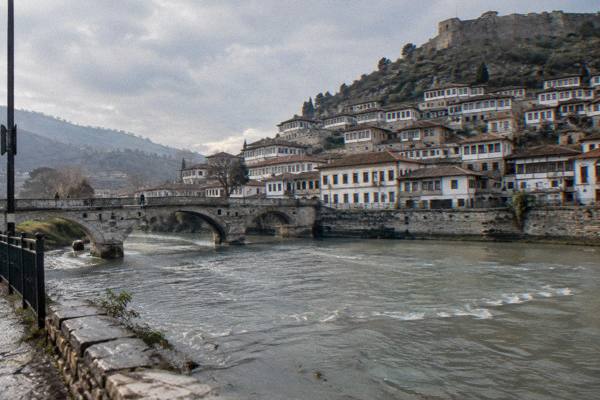
Apollonia From Tirana: The Ancient City Near Fier
Apollonia, the ancient city near Fier, sits about 121 km and roughly two hours by road from Tirana, and its archaeological park is one of the largest classical sites within day-trip range of the capital.
Short answer
Apollonia is about 121 km and about 112 minutes by road from Skanderbeg Square in Tirana, in the hills above Fier. No entry fee or opening hours are published on an official page, so confirm both at the gate before travelling. There is no train; the trip runs by car, taxi or a day tour.
Apollonia, the ancient city in the hills above Fier, is one of the biggest classical archaeological sites within reach of Tirana, the inland capital of Albania at the foot of Mount Dajti. The park lies about 121 km and about 112 minutes by road from Skanderbeg Square, which puts it in the same mid-distance band as Berat and Shkoder: a full day out rather than a quick morning spin. Unlike Durres on the coast, Apollonia delivers no beach at the end of the road, only ruins, countryside and quiet, which is exactly why many travellers make the trip.
What follows is a planning guide for the trip: how far it is, what the site contains, what to confirm before setting out, and how to combine Apollonia with other stops if you have a full day. For the wider picture of the capital's own sights, start with the Tirana Albania Travel Guide and its overview of things to do in Tirana.
Where Is Apollonia And How Far From Tirana?
Apollonia lies about 121 km by road from Skanderbeg Square in Tirana, about 112 minutes of driving without stops, in the hills above the city of Fier in south-west Albania. The route runs south past Durres and Elbasan territory towards Fier, then climbs to the park. There is no train connection of any kind; the Tirana-Durres rail line is being rebuilt, with electrification expected to finish by the end of 2027.
That drive time is a planning figure, not a timetable promise. Add time for traffic leaving Tirana, for the section around Fier, and for the climb to the site itself. In practice the trip feels like a mid-range Albanian day journey: closer than Berat is not, but in the same two-hour band, and much shorter than the far-south destinations. For comparison, Berat is about 122 minutes, Shkoder about 118, and Butrint at the other end of the country about 271 minutes each way, which is why Butrint belongs to overnight plans.
Geography explains most of the pattern. Tirana sits in a basin ringed by hills, so every long day trip starts with a climb out of the city before the roads open up. Apollonia's position above Fier means the final stretch leaves the plain and rises, and the same hillside that makes the final approach slow is what gives the site its views. Drivers should expect the usual mix of Albanian interurban roads: decent main carriageways with slower sections through towns, and a last kilometre or two that is narrow rather than expressway.
A useful way to place Apollonia among the options:
| Day trip from Tirana | Distance by road | Driving time (free-flow) | Band |
|---|---|---|---|
| Petrela Castle | about 14 km | about 22 min | Near |
| Durres | about 37 km | about 39 min | Near |
| Kruja | about 37 km | about 45 min | Near |
| Pellumbas Cave | about 26 km | about 47 min | Near |
| Elbasan | about 40 km | about 42 min | Near |
| Lake Bovilla | about 21 km | about 61 min | Near |
| Shkoder | about 98 km | about 118 min | Mid |
| Apollonia | about 121 km | about 112 min | Mid |
| Berat | about 125 km | about 122 min | Mid |
| Ohrid (North Macedonia) | about 130 km | about 135 min plus border | Mid |
| Vlore | about 156 km | about 133 min | Far |
| Gjirokaster | about 219 km | about 209 min | Far (overnight) |
What Will You Actually See At The Apollonia Park?
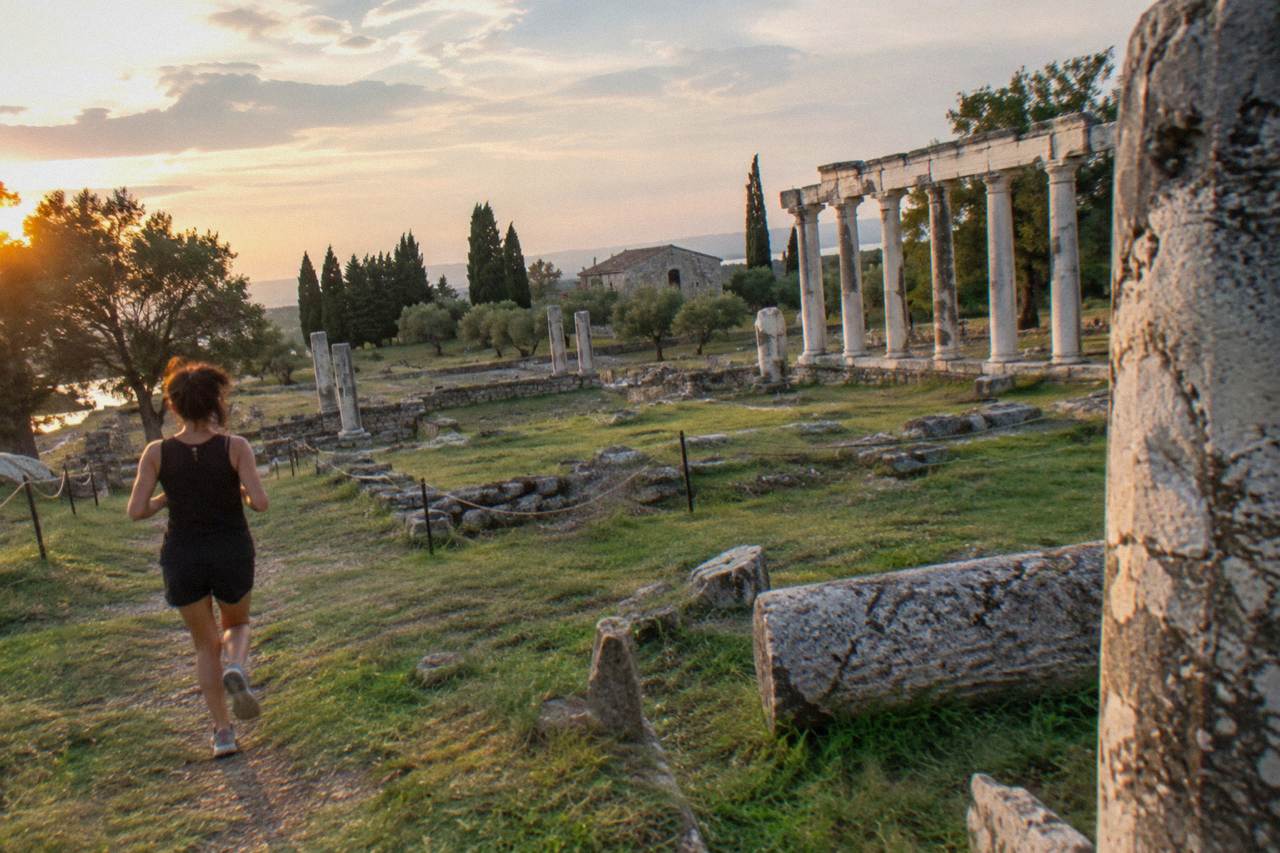
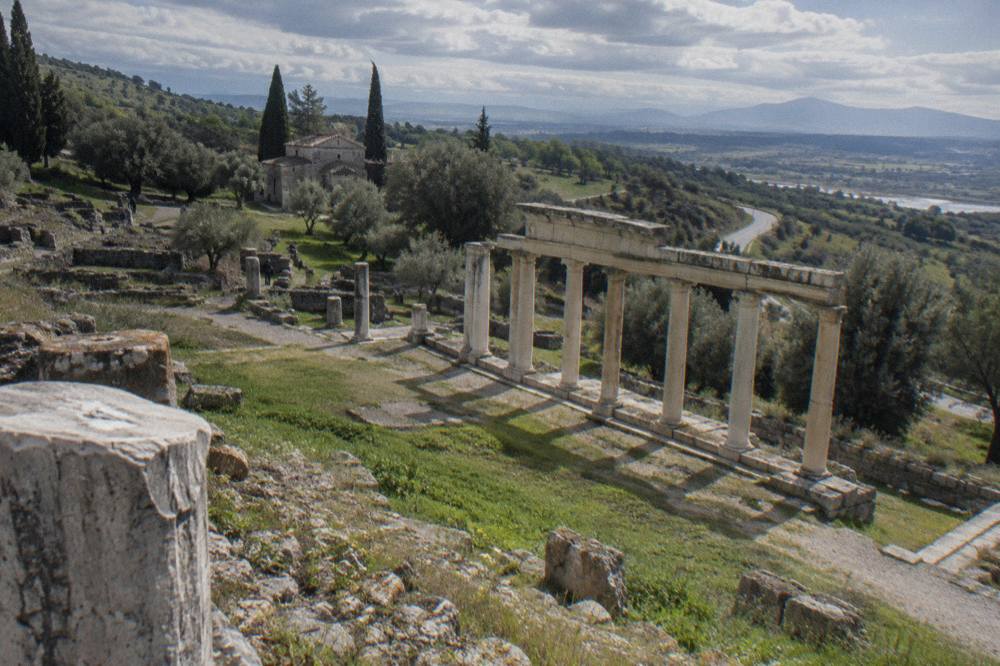
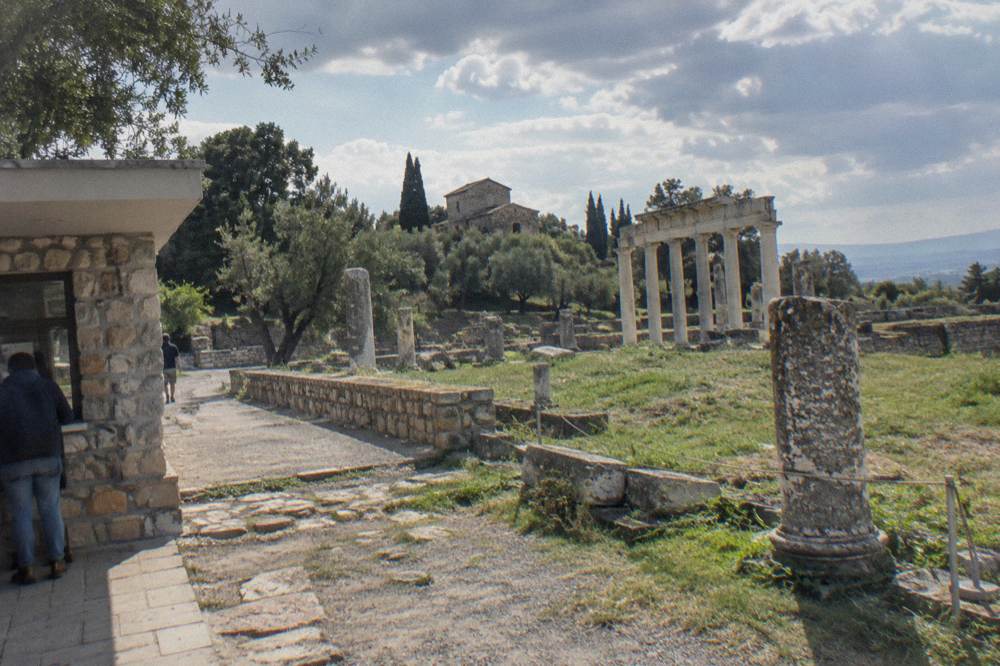
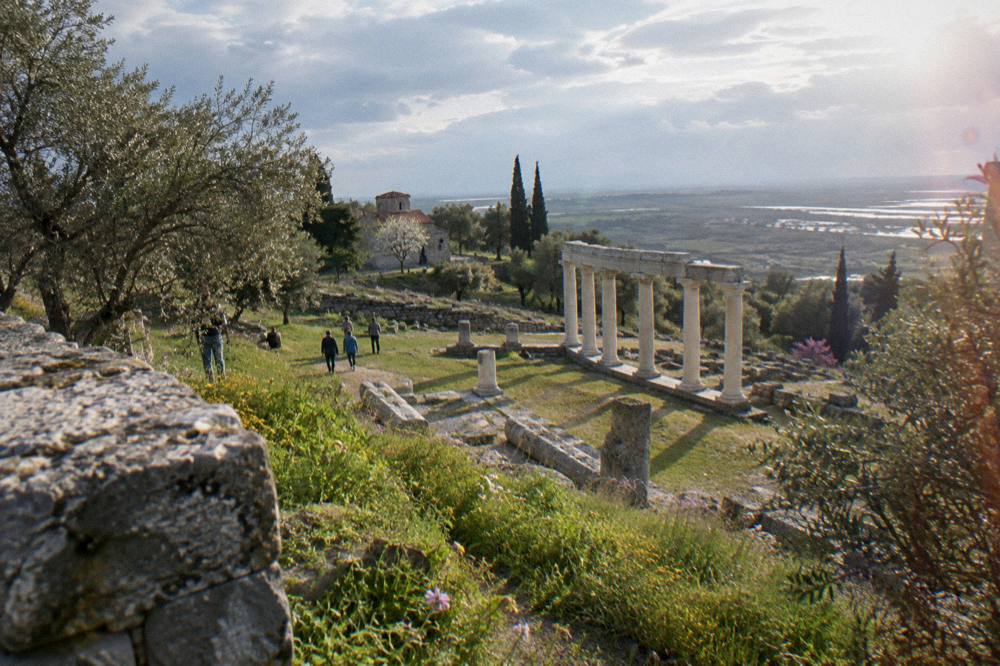
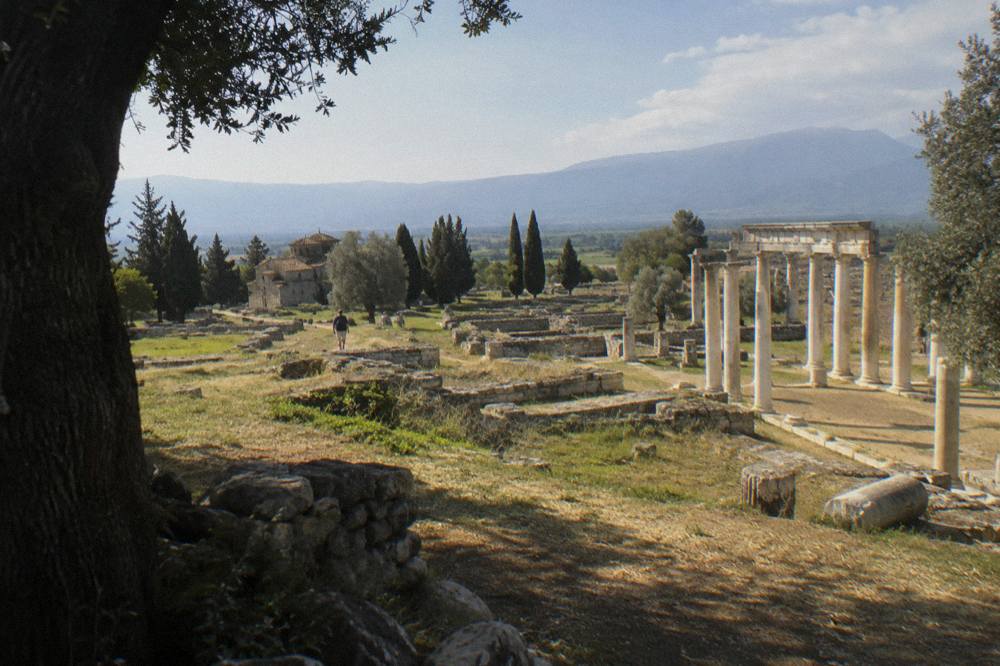
The park holds the ruins of a classical city spread across a hillside: temple foundations and column stumps, a stretch of city wall, a theatre area, and later buildings including a monastery complex at the heart of the site. The setting is as much the draw as the stones: open grassland, rolling hills and long views over the plain towards Fier and, further off, the direction of the coast at Vlore.
The site is large and largely open-air, so plan for walking on uneven ground, sun in summer and mud after rain. The monastery buildings house the site's small museum of finds; whether the museum is open on the day of a visit is a detail to confirm at the gate. Albania's World Heritage list, per UNESCO, counts four properties: Butrint, the historic centres of Berat and Gjirokaster, the Ohrid region and the beech forest components. Apollonia is not on it, which surprises travellers who expect a site of this size to carry the label.
There is a second layer to the visit that first-time travellers often miss. Because the ruins sit in a working rural landscape, the park is quiet on weekdays outside the summer holidays, and the walk between monument clusters doubles as a walk through Mediterranean scrubland and terraced hills. Photographers get long sightlines in the morning and late afternoon, and birdlife is a background feature of the grassland. None of this is signed or interpreted at length on site, so a guidebook, a downloaded read or a local guide adds a great deal to what are, on their own, low walls and column bases.
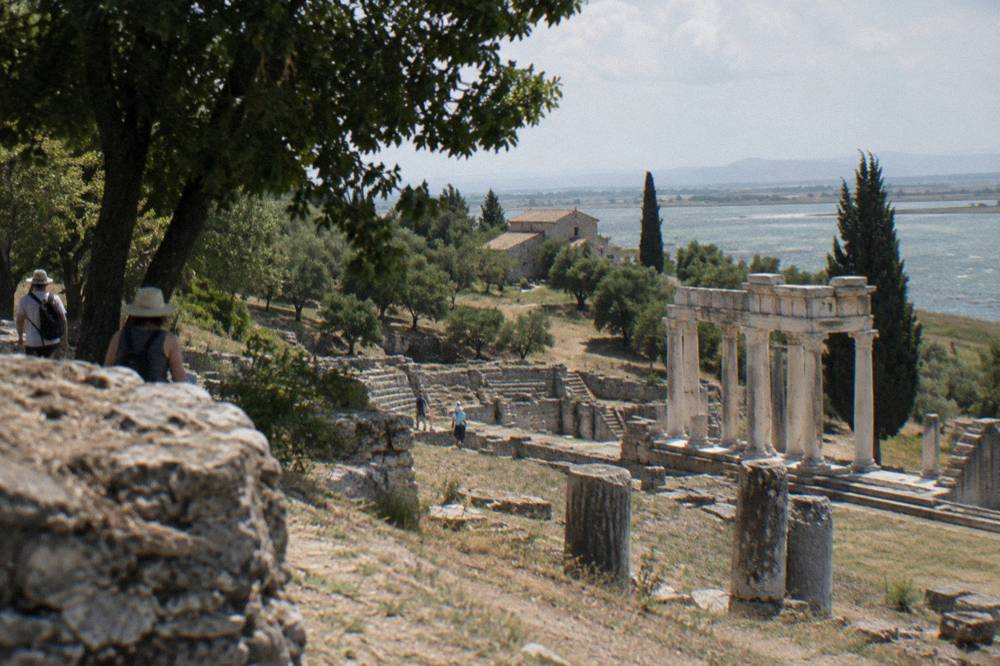
A simple way to frame the day:
| Part of the visit | What it involves | What to confirm on the day |
|---|---|---|
| Ruins circuit | Walking the temple, wall and theatre remains | Footwear and water; no shade |
| Monastery and museum | Finds from the site displayed in the old buildings | Whether the museum is open |
| Surrounding hills | Views over the plain towards Fier | Weather and light later in the day |
| Nearby Fier | A city stop for food on the way back | Nothing published; ask locally |
If ancient sites are the theme of your trip, Apollonia pairs naturally with the Roman amphitheatre at Durres, and a guided option covers both the driving and the context. The Durres amphitheatre and beach day trip runs from Tirana and mixes the archaeology with time on the sand, a contrast Apollonia itself cannot offer.
What Are The Entry Fees And Opening Hours For Apollonia?
No entry fee or opening hours for Apollonia appear on any official page, so the working answer is to confirm both at the gate before travelling. Bring cash in lek: the currency is the Albanian lek, roughly 90 to the euro, and the euro is not legal tender, while remote sites in Albania generally run on cash rather than cards. A few hundred lek is the scale of entry fees at comparable regional sites, but no figure for Apollonia itself should be trusted until seen at the ticket point.
For scale only, fees that do carry an attribution at comparable sites include the Durres Archaeological Museum at about 800 lek and the Durres amphitheatre at about 300 lek, both reported by local outlets, and the Berat museums at 400 and 300 lek per the Berat Museum Center. None of those is an Apollonia price. The same caution applies to hours: reported schedules circulate, but nothing official publishes them, so a phone call or a question at your accommodation in Tirana is the reliable route.
Cash discipline matters more out here than in the capital. Cards are widely taken in Tirana's hotels, larger restaurants and supermarkets, per local reporting, but cash is still the norm for markets, small cafes, buses and rural ticket booths. Change can be scarce at low-traffic sites, so small lek notes are better than large ones. If the day includes Fier, the city has banks and ATMs, though foreign-card withdrawal fees exist at Albanian machines and no specific fee figure should be assumed.
| Item | Source | What to do |
|---|---|---|
| Apollonia entry fee | Not published officially | Confirm at the gate; carry lek cash |
| Apollonia opening hours | Not published officially | Confirm locally before driving out |
| Site museum access | Varies | Ask at the ticket point |
| Guided tours on site | Independent local guides at times | Agree the price before starting |
How Do You Get To Apollonia Without A Car?
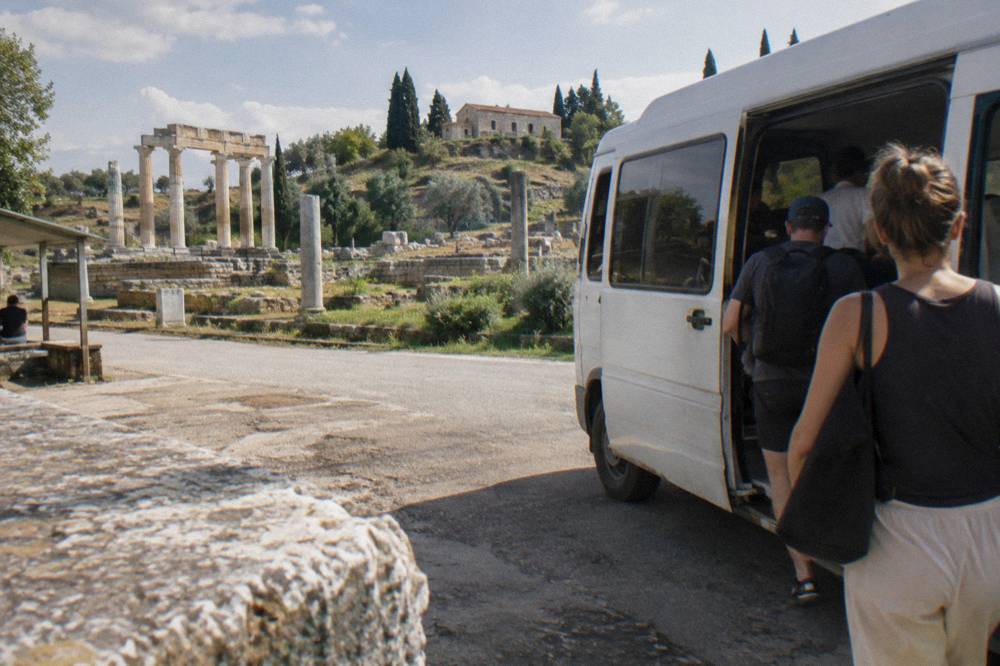
The realistic options are a hire car, a private driver or taxi, or a booked day tour from Tirana; there is no train, and public transport runs to Fier rather than to the site itself. Intercity buses leave from the South and North Bus Terminal, about 4.0 km north-west of Skanderbeg Square, with cash fares of a few hundred lek for regional routes, but the climb from Fier up to the park needs a local taxi or an arranged pickup.
Uber and Bolt do not operate in Albania; local taxi apps do, per local reporting, but their coverage thins fast outside the capital, so a Fier taxi booked on the spot or a tour that includes the site is the practical answer. Driving yourself is straightforward on the main southbound roads, and paid street parking in central Tirana runs in zones of 100, 40 and 20 lek per hour, payable by SMS to 50500 or the Tirana Ime app, though that only matters for the capital end of the day.
The terminal is the piece of the puzzle that catches people out. It sits outside the centre, roughly a 15-minute city-bus or short taxi ride from the square, and departures on the southern corridors start early, from around 05:00 to 06:00 on the busiest routes, thinning through the afternoon. A single city-bus ride costs about 40 lek, paid in cash on board, and city buses run roughly 06:00 to 23:00. Building the day backwards from the last comfortable Fier departure is the safe way to avoid an unplanned overnight.
For travellers who would rather not manage the logistics, a guided day trip bundles the drive, the stop and usually a second sight into one booking. Beyond the Durres option above, the capital's own walking tours, such as the history and local life walk, are a good use of the day before or after, and the bike or e-bike highlights tour covers the city and Grand Park on two wheels.
Can You Combine Apollonia With Berat Or Vlore In One Day?
Yes, but only as a long, well-sequenced day: Apollonia sits roughly on the line between Tirana and Berat, so the classic pairing is Apollonia in the morning and Berat's castle quarter in the afternoon, with about 122 minutes of driving from Tirana to Berat and the Apollonia detour adding roughly an hour of road time in total. Vlore, at about 133 minutes from Tirana, can be stretched into the same day only by cutting both stops short; it is a better anchor for an overnight towards the Riviera.
Berat rewards the full afternoon: the castle grounds may carry a small gate fee, and the Onufri Iconographic Museum at 400 lek and the Ethnographic Museum at 300 lek, per the Berat Museum Center, sit inside the old quarter. Doing Berat properly is covered in the site's Berat day trip guide. If the coast is the goal instead, the Durres day trip is the shortest sea run from the capital at about 39 minutes, and the long southern beaches are laid out in the Vlore and Albanian Riviera guides, both of which deserve more than a rushed afternoon.
Other pairings are weaker. Ohrid, at about 135 minutes plus a border crossing into North Macedonia, is a different direction and a different day, covered in the Ohrid guide. Kruja, the closest castle day at about 45 minutes, pairs better with a Tirana morning than with a long southern run. The rule of thumb is simple: one two-hour corridor per day, two sights at most, and anything beyond that belongs to an overnight plan.
| Combination | Feasibility | Notes |
|---|---|---|
| Apollonia + Berat | Full day, realistic | Same southbound corridor; castle quarter needs hours |
| Apollonia + Vlore | Very long day | Better as an overnight towards the Riviera |
| Apollonia + Fier lunch stop | Easy | Fier sits on the return route |
| Apollonia alone | Half-day plus driving | Leaves time for a slow morning in Tirana |
When Is The Best Time Of Year To Visit Apollonia?
Late spring and early autumn are the best window: the ERA5 reanalysis for the region (1991-2020) shows Tirana mean highs of 22.7 C in May and 25.7 C in September against 30.4 C in August, and Apollonia's exposed hillside has little shade, so the hot, dry months of July and August make midday walking punishing. Rain is lowest in August at about 31 mm and highest in November at about 139 mm; winter visits work but expect wet grass and muddy paths.
The site's openness cuts both ways: the same lack of shade that makes August harsh delivers the wide views in every other season. Morning light across the plain suits photography, and a start from Tirana around 08:00 puts you at the park before the heat builds. Note the wider 2026 context for the capital end of any trip: demonstrations have been held in central Tirana since 13 October 2026, some violent, and UK travel advice was updated on 15 October 2026, so check local news for the days you are in the city and avoid gatherings.
Day length matters less here than in northern Europe, but weather does. The reanalysis shows April and October both comfortable on paper, at 18.4 C and 21.4 C mean highs, yet both carry around 105 and 119 mm of rain respectively, and a wet week turns the site's grass paths to mud. June is a sweet spot: warm at 26.9 C mean high with only about 51 mm of rain across the month. Whenever you go, the site itself has no shelter to speak of, so the forecast matters more than the calendar.
| Month | Mean high C (Tirana region) | Mean low C | Rain mm | Site comfort |
|---|---|---|---|---|
| March | 15.0 | 5.1 | 117 | Cool, green, some mud |
| April | 18.4 | 8.3 | 105 | Very comfortable |
| May | 22.7 | 12.5 | 89 | Comfortable, dry |
| June | 26.9 | 16.6 | 51 | Warm, manageable early |
| July | 29.8 | 19.1 | 34 | Hot; start early |
| August | 30.4 | 19.5 | 31 | Hot; start early |
| September | 25.7 | 16.0 | 99 | Comfortable |
| October | 21.4 | 12.2 | 119 | Mild, chance of rain |
Is Apollonia Worth The Trip From Tirana?
For travellers with an interest in classical archaeology, quiet sites and countryside, yes: Apollonia offers scale and stillness that the capital's museums cannot, roughly two hours from Skanderbeg Square, and it fits naturally into a Berat or Vlore itinerary rather than standing alone. For visitors with only one or two days in Albania, the nearer and denser options, Kruja at about 45 minutes or Durres at about 39, give more per hour on the road.
The honest trade-off is depth versus distance. Apollonia is a site to read about beforehand or visit with a guide, since interpretation on the ground is thin and the official practicalities, fees and hours, are not published online. Pair that with the fact that the National History Museum on Skanderbeg Square itself is closed for restoration until about March 2028, and the country's ancient story is currently best met in the field: at Apollonia, at Durres, or far south at Butrint, the 1992 World Heritage site that needs an overnight from Tirana at about 271 minutes each way.
It also helps to know what Apollonia is not. It is not Butrint, with its theatre beside a lagoon and a World Heritage badge. It is not Berat, with a living Ottoman town inside its walls. It is a landscape of ruins, and travellers who arrive expecting a dense monumental core can be underwhelmed, while those who want space, stillness and a sense of a city dissolved into a hillside rate it among the country's most atmospheric stops. Setting expectations before the drive is the difference between the two reactions.
What Should You Bring And How Should You Plan The Day?
Bring water, sun protection and closed shoes, whatever the season, plus lek cash for the entry and any local guide, and plan the day as: depart Tirana by mid-morning at the latest, two hours on the road, two to three hours at the site, a lunch stop in or near Fier, and the return drive before dark if you are not continuing to Berat. Confirm the site's fee and hours the day before, since neither is published officially.
The driving day is long enough that a 08:00 to 09:00 start from Tirana is the comfortable pattern. Emergency numbers in Albania are Police 112, Ambulance 127 and Fire 128. Tap water guidance from UK travel advice is to drink bottled water only in Albania, so carry bottles rather than planning to refill at the site. Watch your belongings in crowds, particularly at the terminal in Tirana, and keep small lek notes for the bus or gate.
A few small additions earn their place in the bag. A hat and a scarf or long sleeves help on a hillside with no shade, even in April. A paper map or an offline map of the Fier area covers the stretches where signal drops, and a light rain layer is worth its weight in any month from October to April. Snacks matter more than travellers expect: the park has no cafe infrastructure worth relying on, and the nearest reliable food is in Fier itself, which is also the natural lunch stop on the way back.
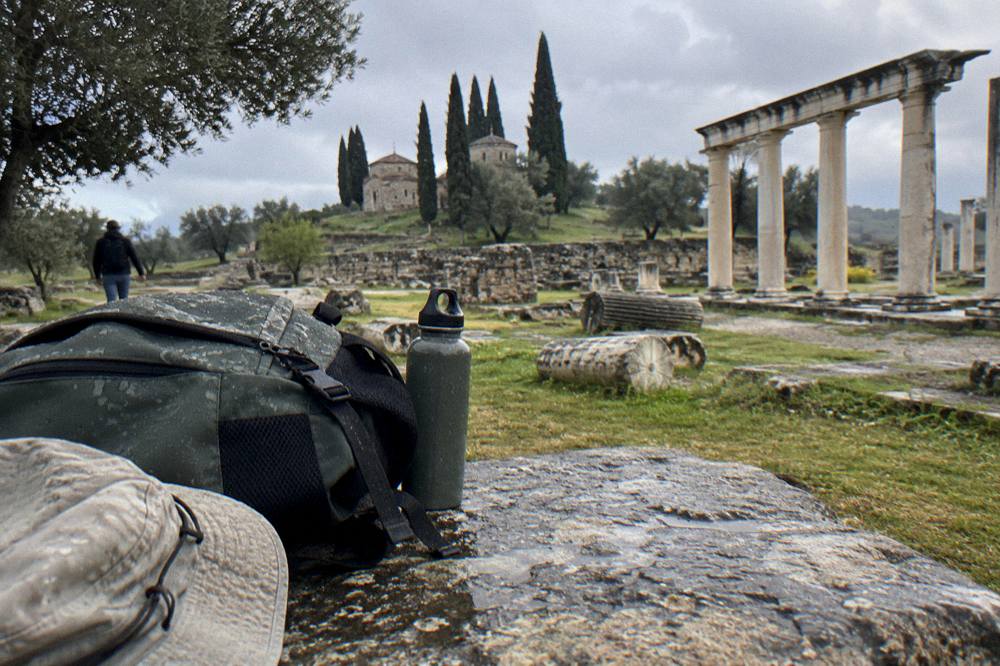
A sample shape for the day:
| Time | Plan |
|---|---|
| 08:00 | Leave Tirana, Skanderbeg Square area |
| 10:00 | Arrive Apollonia; walk the ruins and museum |
| 12:30 | Lunch in or near Fier |
| 14:00 | Either return to Tirana or continue to Berat |
| 16:00 | Return-drive window towards Tirana |
Common Questions About Apollonia From Tirana
How far is Apollonia from Tirana?
About 121 km by road, roughly 112 minutes of driving without stops, from Skanderbeg Square.
Is there an entry fee for Apollonia?
No fee is published on an official page. Confirm at the gate and carry lek cash.
Can you reach Apollonia by public transport?
Buses run from Tirana's South and North Bus Terminal towards Fier, but the site sits above the city, so the last leg needs a local taxi, a car or a tour.
Is Apollonia a UNESCO World Heritage site?
No. Albania's World Heritage properties are Butrint, the Berat and Gjirokaster centres, the Ohrid region and the beech forest components.
Can you visit Apollonia and Berat in one day?
Yes, as a full day: the sites share the southbound corridor, with Berat about 122 minutes from Tirana. Start early and keep the Berat afternoon for the castle quarter.
When is the best month to go?
May and September, when the ERA5 reanalysis (1991-2020) shows regional mean highs of 22.7 C and 25.7 C, well below the 30.4 C of August on an exposed, shadeless site.
Whichever way the day is built, Apollonia rewards the traveller who confirms the gate details, leaves early and treats the drive through the hills above Fier as part of the experience rather than dead time between sights.