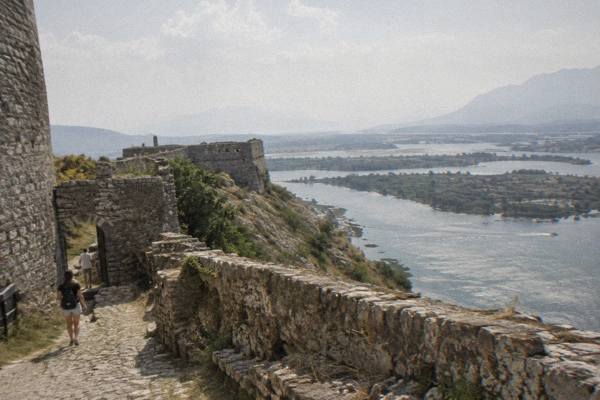
Kotor Day Trip From Tirana: Is It Realistic?
Kotor sits across the border in Montenegro, roughly 200 km from Tirana, and the road takes about six hours in each direction once the crossing is counted. That distance shapes everything about the trip.
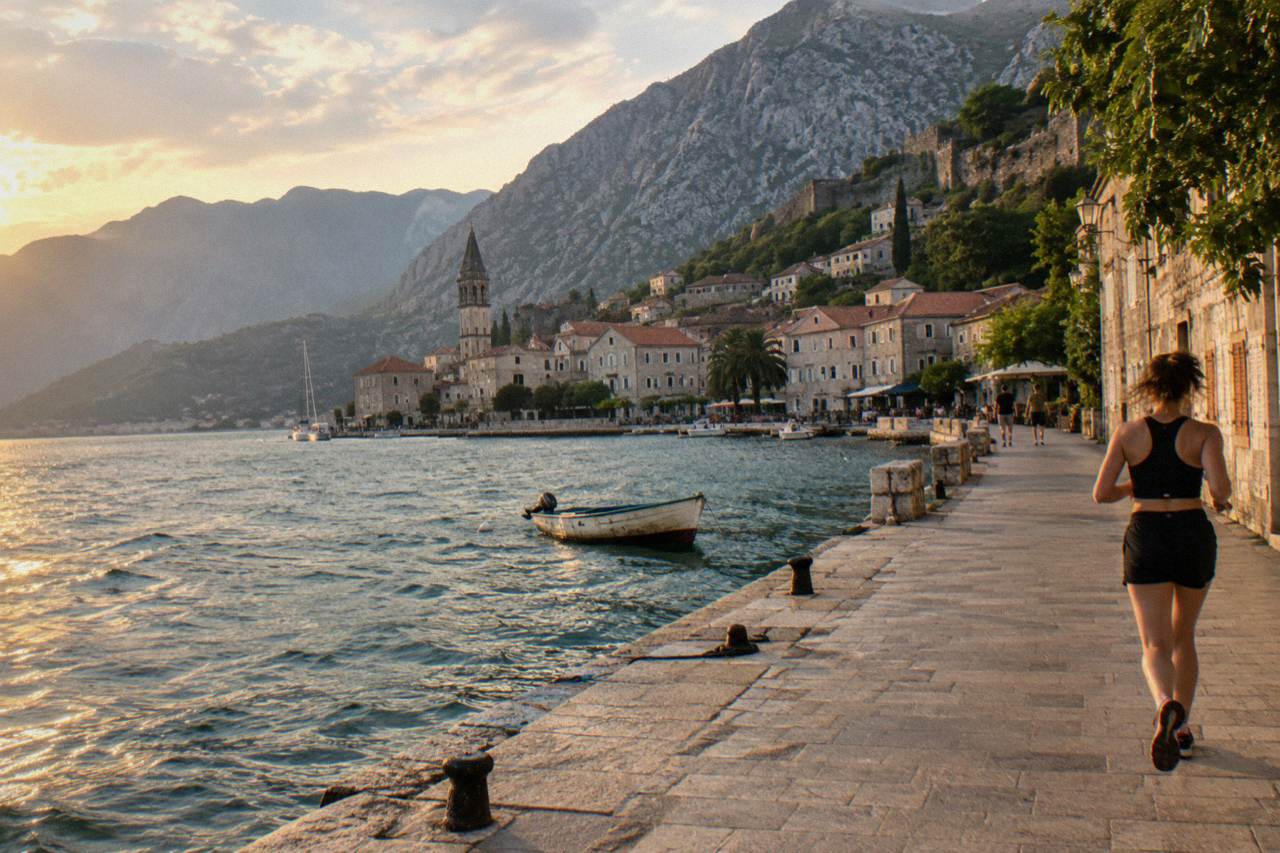
Short answer
A Kotor day trip from Tirana is possible but demanding: roughly 200 km each way, about six hours on the road including the border, per local guides. Cross at Sukobin or Hani I Hotit. Confirm conditions before committing, or consider Kotor as an overnight stop.
Tirana, the capital of Albania, sits inland in a basin at the foot of Mount Dajti, and Kotor lies beyond the northern border in Montenegro, at the head of a fjord-like bay ringed by mountains. A Kotor day trip from Tirana is the kind of plan that looks short on a map and turns long in practice, because roughly 200 km of road and an international border stand between the two cities. Local guides report the drive at about six hours in each direction including border formalities, and that figure alone decides whether the plan works for a one-day outing or belongs to an overnight itinerary.
How Far Is Kotor From Tirana?
Kotor lies roughly 200 km from Tirana by road, and the journey is reported at about six hours in each direction including the border crossing, per local guides who run the route. There is no train option and no shortcut. The figure is a road estimate, not a timetable, so confirm current conditions before planning around it.
Those six hours break into three very different stretches. The first is Albanian territory: motorway-standard road north from Tirana past the turn-offs for Shkoder, a stretch that takes about 118 minutes to Shkoder itself. The second stretch is the border, either at Sukobin on the coastal side, where the Albanian crossing point is called Muriqan, or inland at Hani I Hotit, which becomes Bozaj on the Montenegrin side. The third stretch is Montenegrin road down to the Bay of Kotor, where traffic through the coastal towns slows in the summer season.
The comparison that matters is with everything else on the day-trip shelf. Kruja is about 45 minutes from Skanderbeg Square, Durres about 39 minutes, Berat about 122 minutes. Kotor, at about six hours reported each way, sits in a different category from all of them, closer in effort to the far-south overnight runs than to any classic day trip.
| Destination from Tirana | Distance by road | Reported or stated drive time | Category |
|---|---|---|---|
| Kruja | about 37 km | about 45 minutes | easy day trip |
| Durres | about 37 km | about 39 minutes | easy day trip |
| Berat | about 125 km | about 122 minutes | full day |
| Shkoder | about 98 km | about 118 minutes | full day |
| Ohrid (North Macedonia) | about 130 km | about 135 minutes plus the border | full day, border |
| Kotor (Montenegro) | about 200 km | about 6 hours including the border, reported | very long day or overnight |
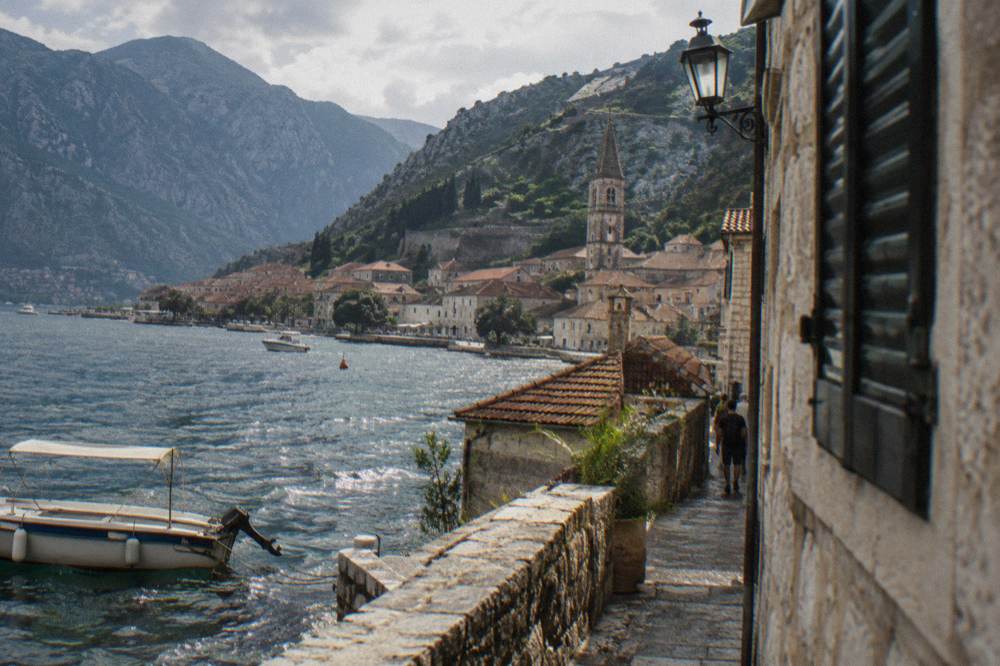
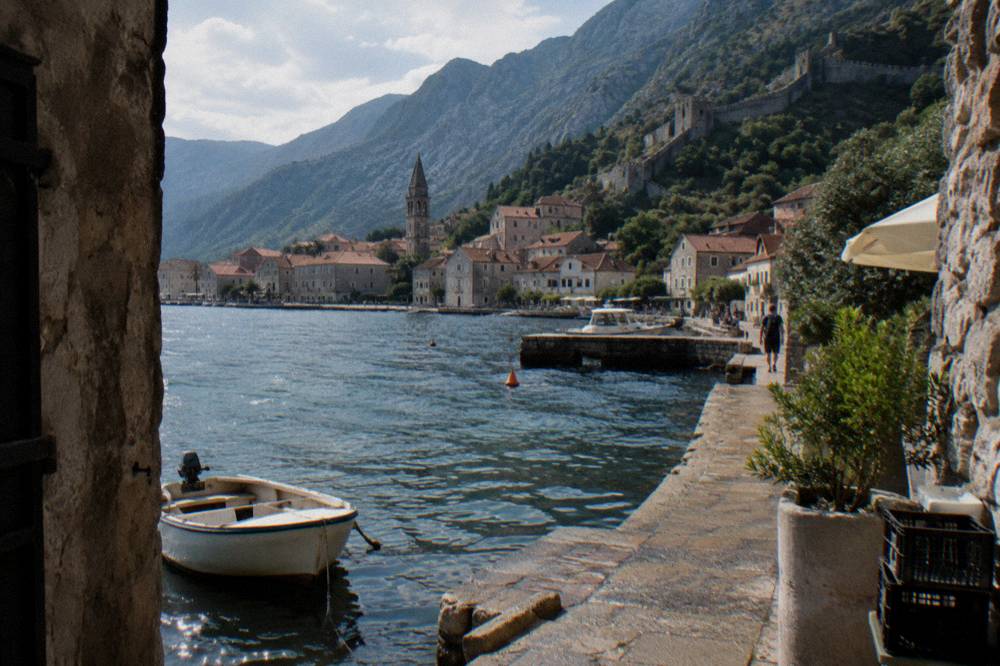
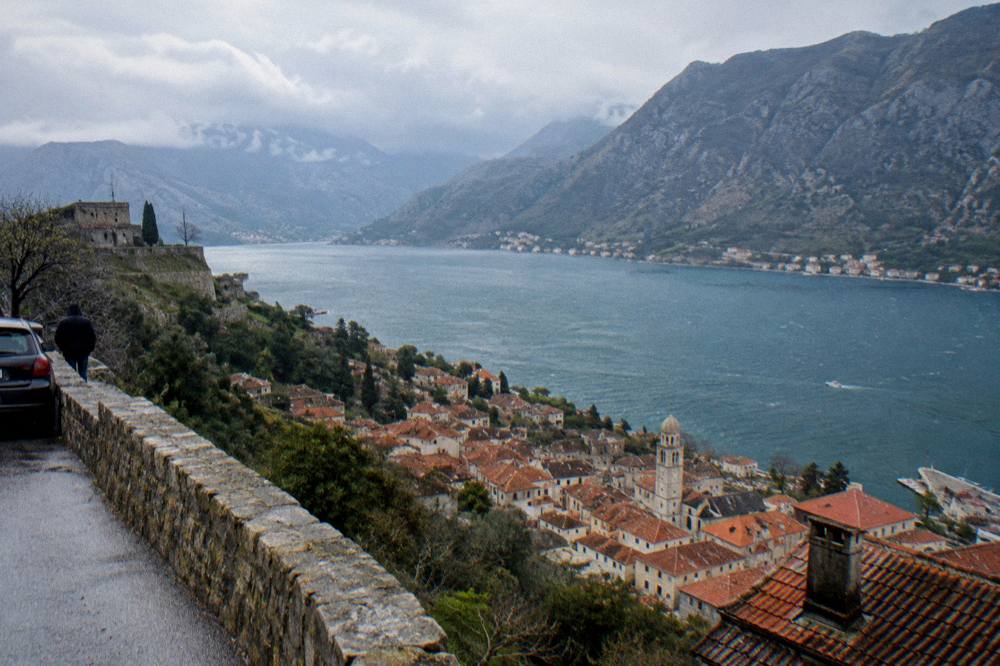
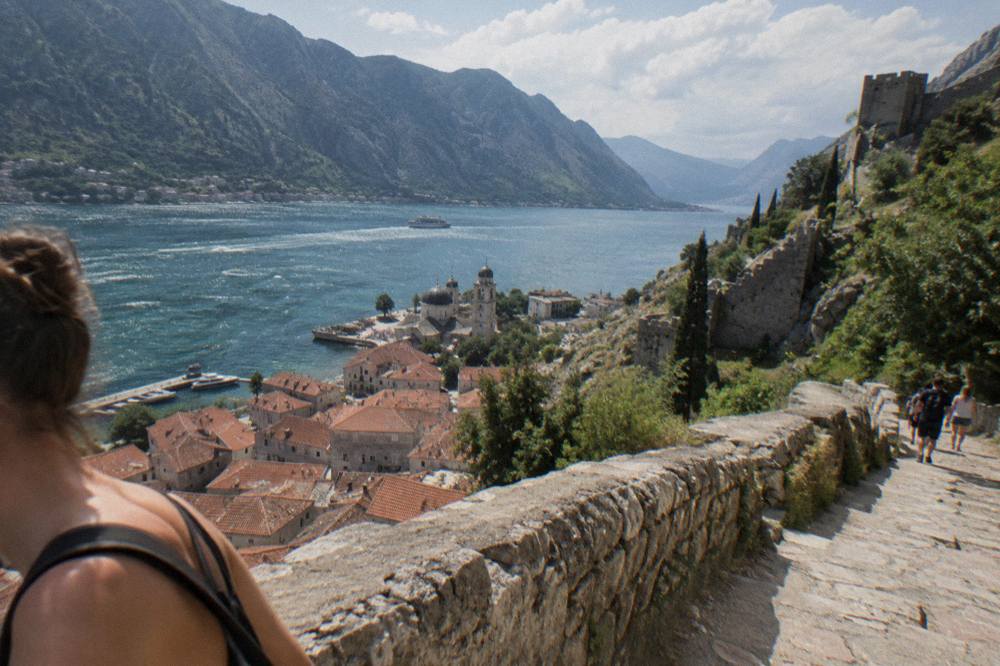
The Bay of Kotor itself is a drowned river canyon rather than a true fjord, though the shorthand appears in nearly every description of the place. What the visitor actually gets at the end of those six hours is a compact walled old town, a UNESCO-listed site inscribed in 1979, set against steep grey slopes that rise almost directly from the water. For more on planning day trips out of the capital generally, the Tirana Albania Travel Guide covers the full range of options.
Can You Do A Kotor Day Trip From Tirana By Bus, Car Or Tour?
A Kotor day trip from Tirana is realistic only as a very long single day, roughly six hours each way by road per local guides, which leaves a short visit window. Options are a rental car, a long-distance bus or an organised tour. Each one trades flexibility, cost and fatigue differently, and none shortens the road.
Driving yourself gives the most control. For the rules of the road, border documents and driving culture, see driving and renting practicalities, which covers what a driver needs before committing to a 400 km round trip.
The bus is the budget route. Services run from Tirana toward Montenegro, but no fare, timetable or journey duration for Tirana to Kotor is published on an official page, so treat any figure heard locally as unconfirmed and buy tickets at the terminal. The terminal geography helps here: the South and North Bus Terminal sits about 3.9 km north-west of Skanderbeg Square, while international services, including the Prishtina and Athens routes, use the international terminal about 5.9 km south-east on the Tirana-Elbasan road. Which terminal serves Montenegro routes should be confirmed at booking rather than assumed.
An organised tour removes the driving and the border paperwork anxiety, and some Tirana-based operators run coastal Montenegro itineraries, though none appears in this site's tour roster, so check what a specific listing actually includes before booking. A private driver is a fourth route some visitors arrange, priced entirely off-platform and unverifiable here.
| Option | Strengths | Drawbacks | Best for |
|---|---|---|---|
| Own rental car | full schedule control, stops en route | cross-border permission must be confirmed with the hire firm, driver fatigue on a 12-hour road day | confident drivers, two or more travellers |
| Long-distance bus | lowest cost, no driving | no published timetable or fare, fixed departure times, long total day | solo budget travellers |
| Organised tour | door-to-door logistics handled, border handled | itinerary is fixed, verify exactly what the listing includes | first-time visitors |
| Overnight instead | realistic pace, evening in the old town | needs a night in Kotor | anyone who can spare two days |
Before committing to the Montenegro run, weigh it against what a shorter day buys. The Berat UNESCO and Belshi Lake tour covers a World Heritage old town in about a third of the driving, and Berat's museums post set prices, 400 lek for the Onufri Iconographic Museum and 300 lek for the Ethnographic Museum, which Kotor cannot match on this site's evidence.
Which Border Crossing Should You Use: Sukobin Or Hani I Hotit?
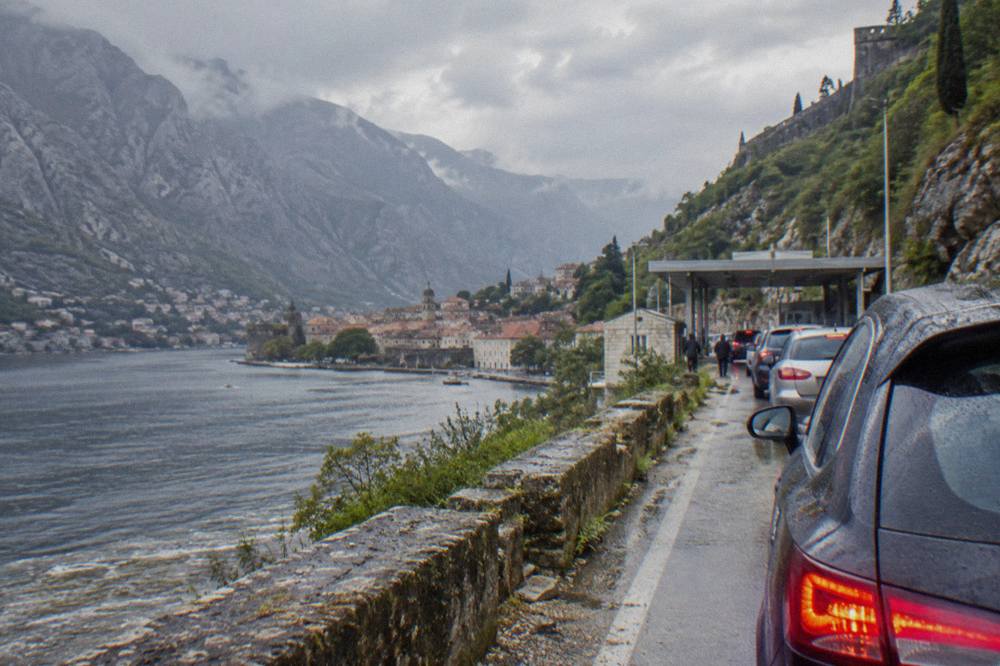
The two realistic crossings are Sukobin, the coastal route where the Albanian-side post is called Muriqan, and Hani I Hotit, the inland route that becomes Bozaj in Montenegro. Local guides report both serve Tirana-Kotor traffic, with the coastal road running nearer the shore and the inland road nearer Shkoder lake country. Neither crossing has a publishable wait time, so allow slack either way.
The choice between them is mostly about route scenery and traffic, and secondarily about which stretch of road suits the driver. The coastal option strings together the shoreline south of the border and passes the beach towns on the Montenegrin side before Kotor. The inland option crosses closer to Shkoder and Lake Skadar and meets the bay further along. Both are reported as standard crossings for this journey, and drivers running the route often pick based on where they want to stop.
Documentation is the part to get right in advance. Albania is outside the EU and outside Schengen, so EU entry systems do not apply at its border, and Montenegro runs its own separate entry regime as well. That means two border formalities on one day trip: leaving Albania and entering Montenegro on the way out, and the reverse on the way back. Passport validity requirements, visa questions for non-EU passports and vehicle documents for rental cars should all be checked before departure day, on the official pages of both countries. A useful summary of the Albanian side, including the 90-in-180 rule for visa-free nationals, sits on the Albania entry requirements guide framing and the dedicated entry page elsewhere on this site.
| Crossing | Albanian side | Montenegrin side | Route character | Notes |
|---|---|---|---|---|
| Sukobin | Muriqan | Sukobin | coastal, past shoreline towns | common choice for Kotor |
| Hani I Hotit | Hani I Hotit | Bozaj | inland, near Lake Skadar | reported alternative |
One more practical point: fuel, toilets and food sit on both sides, but the stretches closest to the border are quiet, so fill up and eat before the final approach. Kotor-bound traffic concentrates in summer, when both crossings run busy, and a same-day return doubles the exposure to any afternoon queue building on the way home.
What Makes Kotor Worth The Long Journey From Tirana?
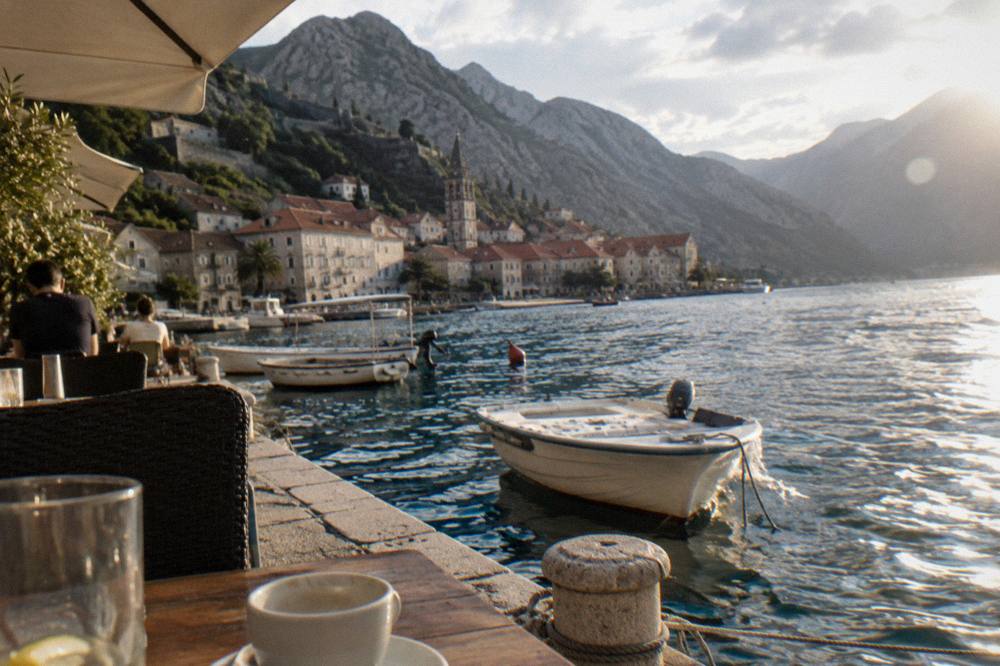
Kotor's old town is UNESCO-listed, inscribed in 1979 as part of the Natural and Culturo-Historical Region of Kotor, and it pairs a walled medieval street grid with a bay framed by sheer mountains. The sea is the draw Tirana cannot offer: the city sits inland, about 37 km and 39 minutes by road from the nearest coast at Durres, so Kotor delivers a genuinely different landscape.
The old town is compact, walled, and threaded with narrow lanes, churches and squares, with the fortifications climbing the slope above. Cats are famously part of the street life, and the waterfront promenade faces the bay's still water.
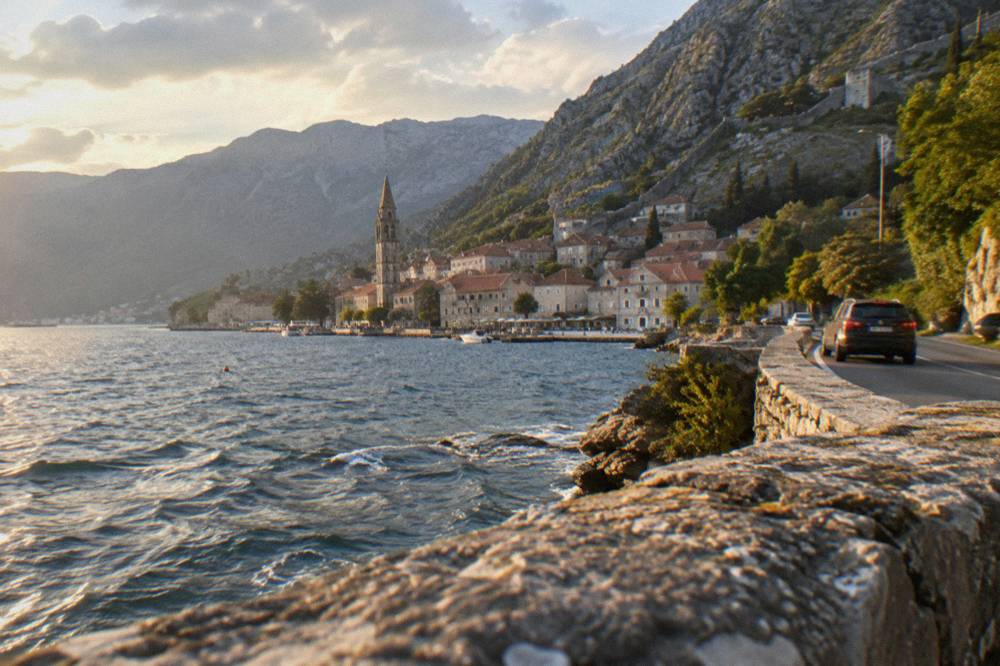
The bay drive is half the reason people make the trip. The road around the Bay of Kotor passes through small stone towns perched between cliff and water, and the views change with every curve. Travellers coming by car on the coastal crossing effectively get a scenic drive as part of the delivery, which softens the six hours a little.
For perspective, Tirana itself holds four Albanian World Heritage properties nationally, Butrint, Berat and Gjirokastra, the Ohrid region and the beech forests, but nothing listed in the capital itself, and Kotor is Montenegro's headliner. Visitors who enjoy the heritage-town format can also compare Berat's UNESCO old town, much closer to home, and the Ohrid day trip, which crosses a different border into North Macedonia for another lakeside World Heritage setting.
How Does A Kotor Trip Compare With Ohrid, Shkoder Or Berat?
Kotor costs roughly double the driving of the nearest comparable World Heritage day trips: about six hours each way reported, versus about 135 minutes plus the border for Ohrid and about 118 minutes for Shkoder. Berat is about 122 minutes with no border at all. In pure hours-per-reward terms, the Albanian and Macedonian options win; Kotor wins on sea, bay scenery and a second country visited.
Every one of these trips starts from the same square in Tirana, so the comparison is honest. Shkoder, about 98 km north, is the natural staging town for the Montenegro routes anyway, and a day there combines Rozafa castle country and Lake Skadar views without a border. Ohrid crosses into North Macedonia, so it carries the same two-formalities structure as Kotor at less than half the road time. Berat stays inside Albania entirely, which removes border risk from the day.
| Trip from Tirana | Border? | Road time each way | World Heritage site at the end |
|---|---|---|---|
| Berat | no | about 122 minutes | yes, Berat old town, inscribed 2008 |
| Shkoder | no | about 118 minutes | no |
| Ohrid | yes, North Macedonia | about 135 minutes plus border | yes, extended to the Albanian lakeside in 2019 |
| Kotor | yes, Montenegro | about 6 hours including border, reported | yes, Kotor region, inscribed 1979 |
The decisive question is what the day is for. If it is heritage streets and museums, Berat delivers with the least friction. If it is a lake and a border-town atmosphere, Ohrid does it in half the time. If it is specifically the sea, mountains and a walled town together, or the collecting of a second country, Kotor is the only one of the four that offers it, and the price is the road. The Shkoder day trip guide covers the closest staging point for anyone who wants to split the Kotor journey.
What Should You Know About Money, Timing And Season For Kotor?
Albania uses the lek, roughly 90 to the euro, and the euro is not legal tender there, while Montenegro uses the euro unilaterally, so a Kotor day trip needs both currencies or a card that works on both sides. Summer is the busy season on the bay and at the crossings; late spring and early autumn trade thinner crowds for changeable weather.
The currency split is the detail that catches people out. Leaving Tirana, cash in lek covers buses, parking and small purchases up to the border; the parking zones in central Tirana, for instance, run at 100 lek per hour in zone A, 40 in B and 20 in C, paid by SMS or the Tirana Ime app. Across in Montenegro, prices are in euro, and the exchange happens at banks or exchange offices on either side of the border. Cards are widely taken in central Tirana's hotels, larger restaurants and supermarkets, with cash still ruling buses, markets and small cafes; card acceptance in Montenegrin coastal towns is broadly similar, but carrying some euro cash for Kotor's smaller shops and gates is the safer plan.
Season matters as much as money. The ERA5 reanalysis for Tirana, 1991-2020, puts July and August as the hot, dry months in the capital, with mean highs of 29.8 and 30.4 C, and November the highest-rainfall at 139 mm of rain. Coastal Montenegro runs a similar Mediterranean rhythm, so August brings the heaviest bay traffic and border queues at exactly the time the road is most pleasant. A June or September window is the compromise many guides suggest, with the standing caveat to check conditions before locking plans.
| Need | Albanian side (lek) | Montenegrin side (euro) |
|---|---|---|
| Currency in use | lek, roughly 90 to the euro | euro, used unilaterally |
| Cash versus card | cash dominant on buses and in small cafes | cash useful for small shops and gates |
| Border documents | passport, exit formalities | passport, entry formalities, own visa regime |
Timing the return is the last piece. A day trip that reaches Kotor by late morning and leaves by mid-afternoon gets the old town in daylight and the border before the evening peak, but the margin is thin. Anyone who would rather not race the clock should treat one relaxed day in Tirana as the template for what a feasible single-day itinerary feels like, then judge the Kotor plan against it.
What If Kotor Is Too Far: Closer Day Trips From Tirana?
If the six-hour reported road time disqualifies Kotor, the closest rewarding alternatives are Petrela Castle at about 22 minutes, Kruja at about 45, Durres at about 39, and Lake Bovilla at about 61 minutes, with Berat, Shkoder and Ohrid filling the full-day tier. Each keeps the day trip inside realistic single-day bounds, and two of them cross no border at all.
Kruja pairs a castle hill town with the old bazaar at about 45 minutes by road, again with no verifiable entry prices. Durres delivers the sea in about 39 minutes, the Roman amphitheatre and the Archaeological Museum, with reported entry of about 800 lek for the museum and about 300 lek for the amphitheatre, figures to confirm on arrival. Lake Bovilla, about 61 minutes out, is the mountains-and-reservoir escape, and the Bovilla page details the terrain.
The full-day tier holds Berat, Shkoder and Ohrid, all covered above, plus the northern mountain runs to Komani Lake and Theth, which sit at about 187 and about 250 minutes of road respectively and are their own category of journey. For rainy days when even a short drive feels like too much, the rainy-day itinerary keeps the day inside the capital, museums and all, with the standing caveat that the National History Museum is closed for restoration until about March 2028.
And for a day that stays entirely inside the city, the master list of things to do in Tirana covers the squares, museums, bunkers and cable car without a border post in sight.
Common Questions About A Kotor Day Trip From Tirana
How long does a Kotor day trip from Tirana take?
Local guides report roughly 200 km and about six hours in each direction by road including the border crossing, so a day trip means around twelve hours of driving plus the visit. Confirm current road and border conditions before committing.
Which border crossing should I use to reach Kotor?
Both realistic crossings are reported options: Sukobin on the coastal route, where the Albanian-side post is called Muriqan, and Hani I Hotit inland, which becomes Bozaj in Montenegro.
Is Kotor worth the drive compared with Berat or Ohrid?
Kotor is the only one of the three with a sea bay and a second country visited, but it costs roughly double the road time of Ohrid and involves a border Berat avoids entirely. The choice comes down to whether the bay scenery justifies the hours.
Can I take a bus from Tirana to Kotor?
Long-distance services run toward Montenegro, but fares, timetables and journey times for the route are not published in advance, so buy at the terminal and confirm times in person. Check whether your departure uses the South and North Bus Terminal or the international terminal.
What currency do I need for Kotor from Tirana?
Lek in Albania, roughly 90 to the euro and the only legal tender there, and euro in Montenegro, which uses the euro unilaterally. Carry both or a working card, and expect cash to matter more the further you get from city centres.
When is the best time of year for the trip?
Summer brings the heaviest traffic on the bay and at the borders; late spring and early autumn thin the crowds while keeping the road dry, per the general pattern of the region's Mediterranean climate. Check forecasts and border conditions close to your date.
The honest verdict on a Kotor day trip from Tirana is that the destination earns its reputation and the road earns its caution. Roughly 200 km each way, about six hours reported in each direction and two border formalities make it the longest feasible single-day run from the capital, and an overnight turns the same drive into a relaxed trip. Either way, the bay, the walls and the border towns repay the planning, and the closer alternatives stand ready when the arithmetic says no.