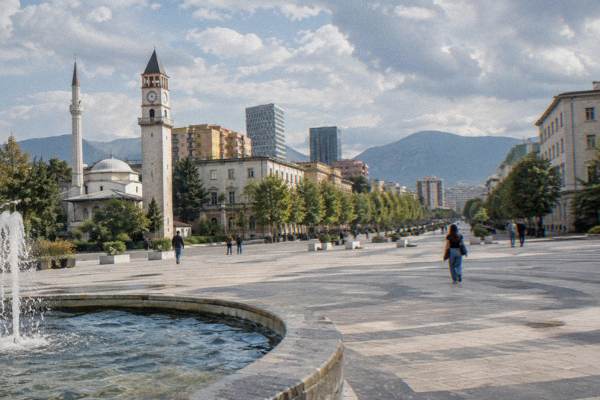
Resurrection Cathedral: The Orthodox Cathedral Of Tirana
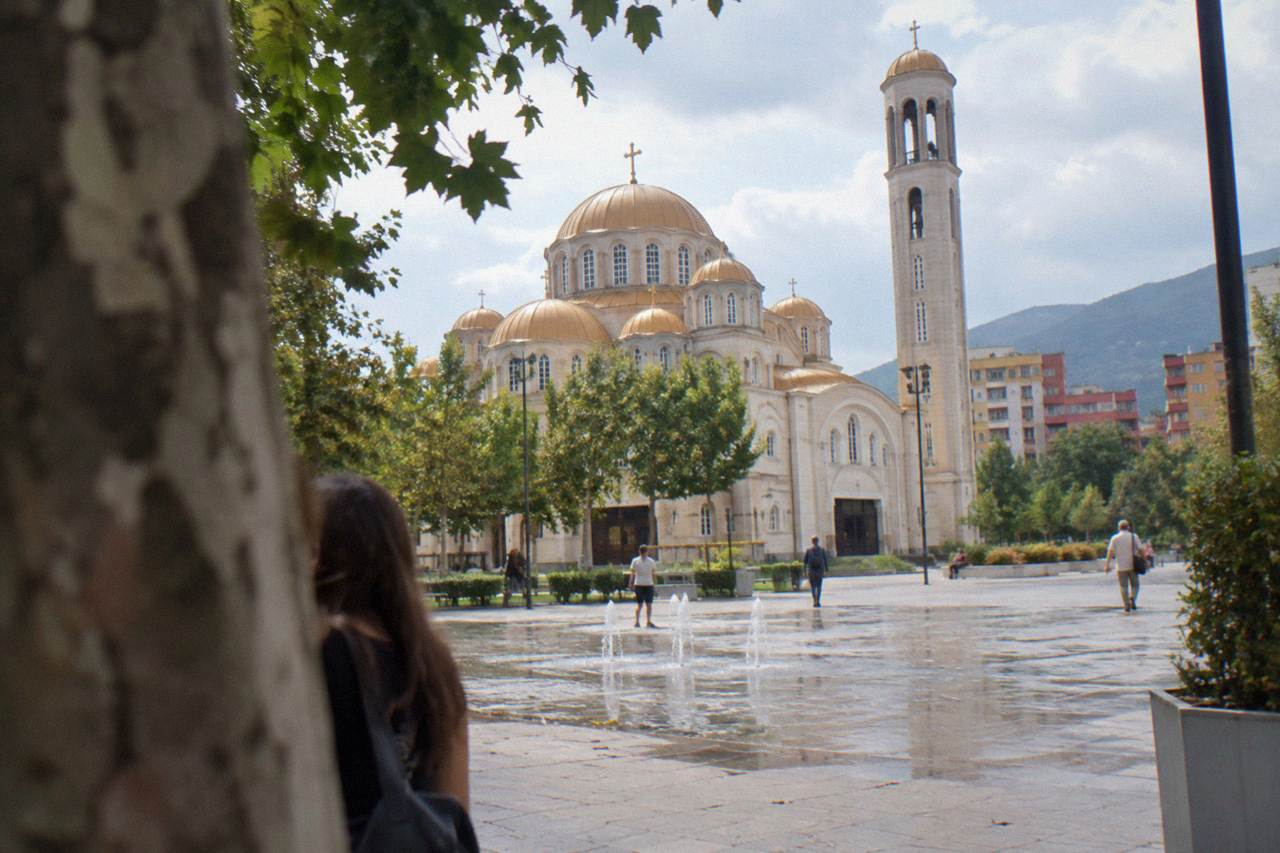
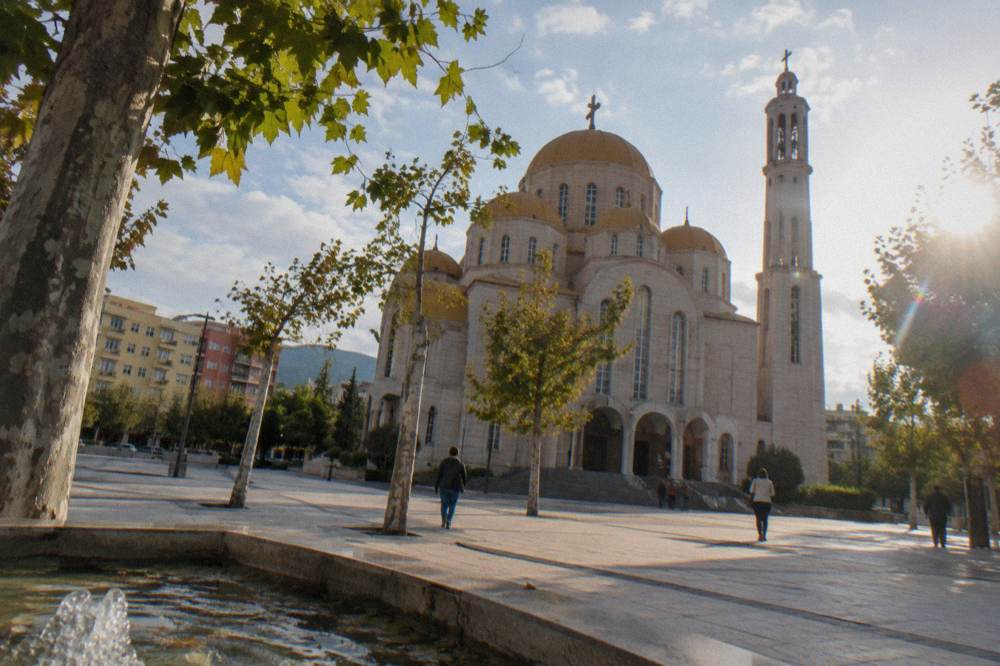
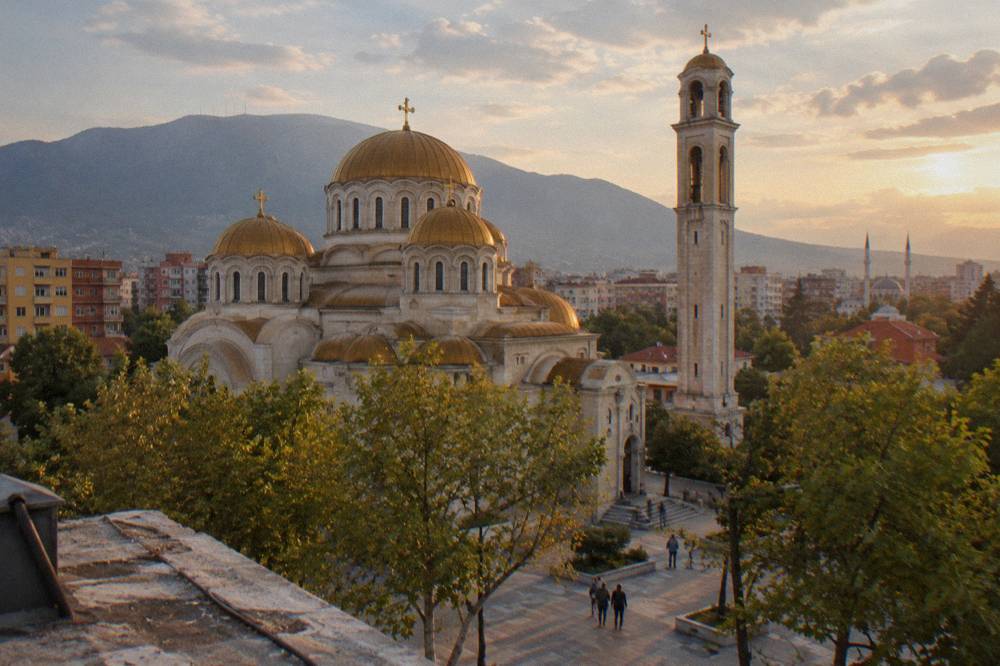
The Resurrection Cathedral is the main Albanian Orthodox cathedral of Tirana, standing about 0.2 km south of Skanderbeg Square. This guide covers what the building is, how it fits into the city's religious landscape, and how to plan a visit.
Short answer
The Resurrection Cathedral is Tirana's principal Albanian Orthodox cathedral, located about 0.2 km south of Skanderbeg Square in the city centre. Entry is free and no opening hours are officially published, so confirm locally before visiting. Modest dress applies inside any Orthodox church. The cathedral sits within a short walk of the Et'hem Bey Mosque, the Clock Tower and the Great Mosque of Tirana.
The Resurrection Cathedral is the main cathedral of the Albanian Orthodox community in Tirana, the capital of Albania, an inland city at the foot of Mount Dajti with the Adriatic coast at Durres about 37 km west by road. The building stands roughly 0.2 km south of Skanderbeg Square, which places it at the heart of a remarkable cluster of religious architecture: within a few hundred metres of its doors sit the Et'hem Bey Mosque, the Clock Tower, the Great Mosque of Tirana and the closed National History Museum. This Tirana Albania Travel Guide page explains what the cathedral is, what the record says about Orthodoxy in Albania, and how to fit a visit into a day in the centre.
What Is The Resurrection Cathedral In Tirana?
The Resurrection Cathedral is the principal cathedral of the Albanian Orthodox Church in Tirana, located about 0.2 km south of Skanderbeg Square in the city centre. It serves as the seat of the Orthodox archbishopric in a country where the 2023 census recorded about 7.2 percent of residents as Orthodox Christians. No official opening hours or admission fees are published for the cathedral, so confirm locally before a visit, and dress modestly inside as in any Orthodox church.
Tirana is often described as a city of mosques, and the skyline of minarets around Skanderbeg Square supports that impression, but the religious picture of Albania is far more mixed. The 2023 national census, as reported by ATA, counted about 45.9 percent of the population as Muslim, 8.4 percent Catholic and 7.2 percent Orthodox, with large shares of respondents recording no denomination or no religion at all. Albania has no state religion. The Resurrection Cathedral is the most visible expression of the Orthodox third of that mosaic in the capital.
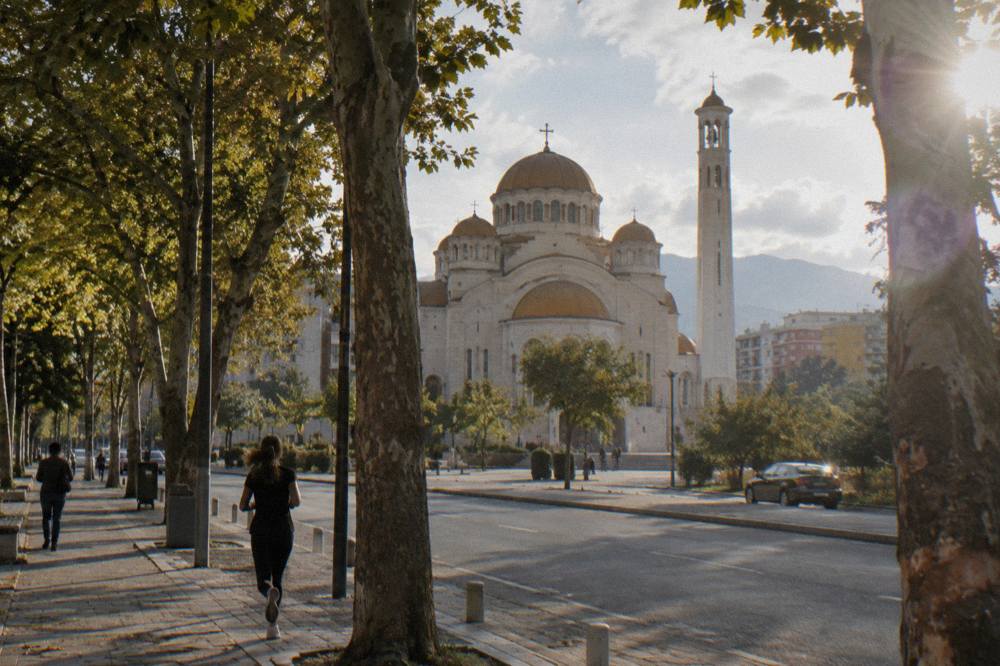
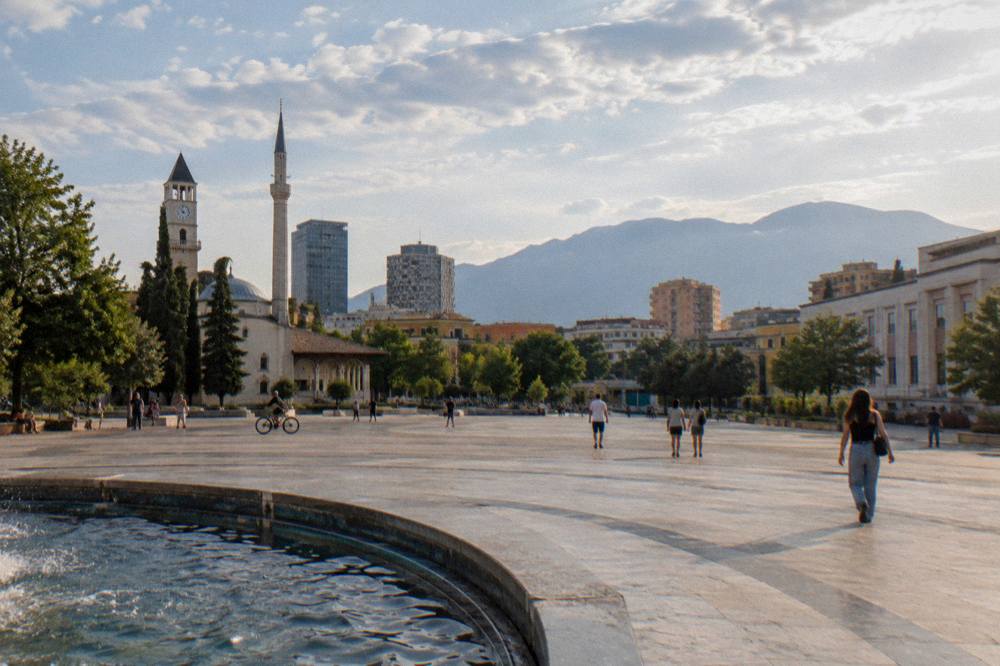
The cathedral compound sits a short walk from the square, between the boulevard and the quarter that rises toward Rinia Park, which stands about 0.4 km south of the square. Its domed silhouette is one of the clearest markers of the Orthodox presence in the city centre. Visitors coming from the square pass the Palace of Culture and the Et'hem Bey Mosque on the way, which makes the walk itself a small tour of Tirana's layered religious and civic architecture, compressed into a few hundred metres of flat, pedestrian-friendly streets.
| Landmark | Direction from Skanderbeg Square | Straight-line distance |
|---|---|---|
| Resurrection Cathedral | south | about 0.2 km |
| Et'hem Bey Mosque | south-east | about 0.2 km |
| Clock Tower of Tirana | south-east | about 0.2 km |
| Great Mosque of Tirana | south-east | about 0.6 km |
| St Paul's Cathedral | south-east | about 0.5 km |
| House of Leaves | south-west | about 0.2 km |
| New Bazaar | east | about 0.6 km |
For context on how the city's religious buildings sit together, the Skanderbeg Square guide covers the square itself, and the one day in Tirana itinerary strings several of these stops into a single walking route.
Where Is The Resurrection Cathedral And How Do You Get There?
The Resurrection Cathedral stands about 0.2 km south of Skanderbeg Square, a walk of roughly three minutes from the square's southern edge along the boulevard side of the centre. City buses run roughly 06:00 to 23:00 with a flat cash fare of about 40 lek per ride, and the airport bus from Tirana International Airport Nene Tereza stops behind the Palace of Opera and Ballet near the square, 400 lek one way.
Tirana is a compact capital, and everything on this page is reachable on foot from the square. The airport bus runs 24 hours a day, every full hour, and takes 30 to 40 minutes to the centre; a single city-bus ride costs about 40 lek, paid in cash on board. There is no train of any kind: the Tirana-Durres and airport rail line is being rebuilt, with electrification expected to finish by the end of 2027, so the bus is the real option. Uber and Bolt do not operate in Tirana; local taxi apps do.
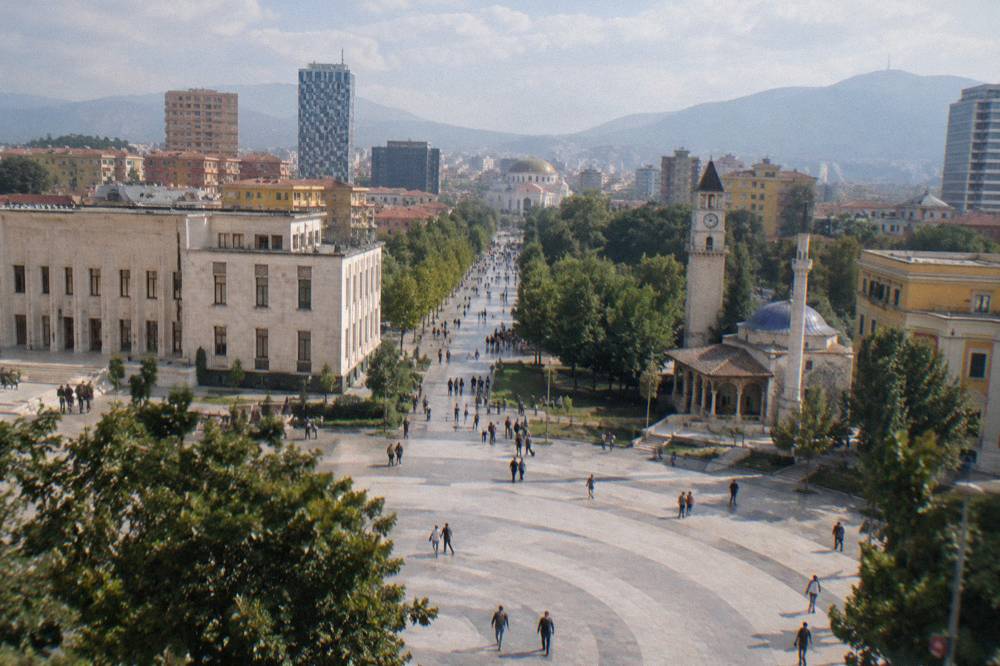
Drivers should note that Skanderbeg Square itself is pedestrianised and the surrounding streets have paid parking zones: zone A at 100 lek per hour, zone B at 40 and zone C at 20, payable by SMS to 50500 or through the Tirana Ime app, per the municipality's own parking service page. A car is more hindrance than help in this part of the city. The getting around Tirana guide has the fuller transport picture, and the Tirana airport to city centre guide covers arrival in detail.
| Route | Real option | Fare or note |
|---|---|---|
| Airport to centre | Official airport bus, 24/7, every full hour | 400 lek or 4.50 euro |
| Airport to centre by taxi | Official airport taxi, 20 to 25 minutes | about 2,200 lek |
| Within the centre | On foot | the cathedral is 0.2 km from the square |
| City bus | Flat fare, cash on board | about 40 lek per ride |
| From the square to the airport | No train exists | bus rebuild due end of 2027 |
What Should You Wear And Know Before Entering An Orthodox Cathedral In Tirana?
Dress modestly inside the Resurrection Cathedral: cover shoulders and knees, and women are advised to carry a headscarf in Orthodox churches, though practice varies by attendant. Photography is generally acceptable in the nave but not during services, and the liturgy is celebrated on Sunday mornings, so a weekday visit is quieter. No official opening hours are published, so treat a service time as the anchor of your visit and confirm locally before going.
Orthodox worship in Albania follows the Byzantine rite, and services are celebrated in Albanian with Greek and other languages used in some communities. Visitors are welcome to stand and observe quietly. Sunday morning is the main liturgy; weekday mornings are usually quieter. The courtesy rules are the mirror image of those at the Et'hem Bey Mosque across the square: free entry, modest dress, and respect for worshippers, written here as general courtesy guidance rather than a published cathedral policy.
One cultural note that surprises first-time visitors to Albania is the head gesture: an upward chin-lift often means "no" and a side-to-side wobble means "yes", the reverse of Western convention. Visitors report this widely across guidebooks, and it is worth knowing before you ask an attendant whether the cathedral is open. A smile and a little patience go a long way in a working church where the congregation, not the tourist, sets the rhythm of the day.
A few Albanian phrases help inside and outside churches: "Përshëndetje" for hello, "Faleminderit" for thank you, "Ju lutem" for please. The Albanian phrases guide lists more, including the Easter greeting, which matters because Orthodox Easter is the biggest festival of the cathedral's year and often falls a week after the Western date, filling the nave and the surrounding streets with worshippers and processions.
How Does The Cathedral Fit Into Tirana's Religious Landscape?
Tirana's religious buildings stand unusually close together: the Resurrection Cathedral about 0.2 km south of Skanderbeg Square, the Et'hem Bey Mosque and the Clock Tower 0.2 km south-east, and the Great Mosque of Tirana 0.6 km south-east, alongside a Catholic cathedral, St Paul's, 0.5 km south-east. The 2023 census recorded 45.9 percent Muslim, 8.4 percent Catholic and 7.2 percent Orthodox, with no state religion.
That mix is the product of a specific history. Ottoman-era Tirana grew around mosques like Et'hem Bey, founded at the end of the 18th century by Mulla Bey and finished by his son Haxhi Et'hem Bey. The communist regime that ruled from 1944 to 1991 repressed all religion; the Et'hem Bey Mosque was spared in 1967, and on 18 January 1991 about 10,000 people defied the authorities to enter it, a moment remembered as a crack in the regime. After 1991 every community rebuilt, and the Great Mosque of Tirana at Namazgah, opened on 10 October 2024, is the newest landmark of that rebuilding.
The Orthodox community's story includes the wider canon of Albanian religious figures, but this page sticks to what the record supports: the census shares, the absence of a state religion, and the physical presence of the cathedral in the centre. For the deeper background, the Tirana history guide and the Tirana mosques and churches guide carry the fuller narrative, and the Bunk'Art 2 guide covers the museum of secret surveillance that documents the surveillance state behind the religious repression.
| Community | 2023 census share (per ATA) | Principal Tirana landmark |
|---|---|---|
| Muslim | about 45.9 percent | Great Mosque of Tirana (Namazgah), opened 10 Oct 2024 |
| Catholic | about 8.4 percent | St Paul's Cathedral, about 0.5 km south-east of the square |
| Orthodox | about 7.2 percent | Resurrection Cathedral, about 0.2 km south of the square |
| No denomination, non-religious or unstated | large remaining share | no state religion in Albania |
The small-group walking tour above is the natural companion to this page, because the cathedral's neighbours tell the communist-era story in a two-kilometre loop: the Pyramid of Tirana, opened in 1988 and reborn in 2023 as a tech centre, the Postbllok memorial with its bunker and Berlin Wall fragment, and the House of Leaves, open 09:00 to 19:00 daily per the museum's own site, adult tickets 700 lek. A guide who knows the period turns those facades from background scenery into a narrative.
What Can You See Within A Short Walk Of The Cathedral?
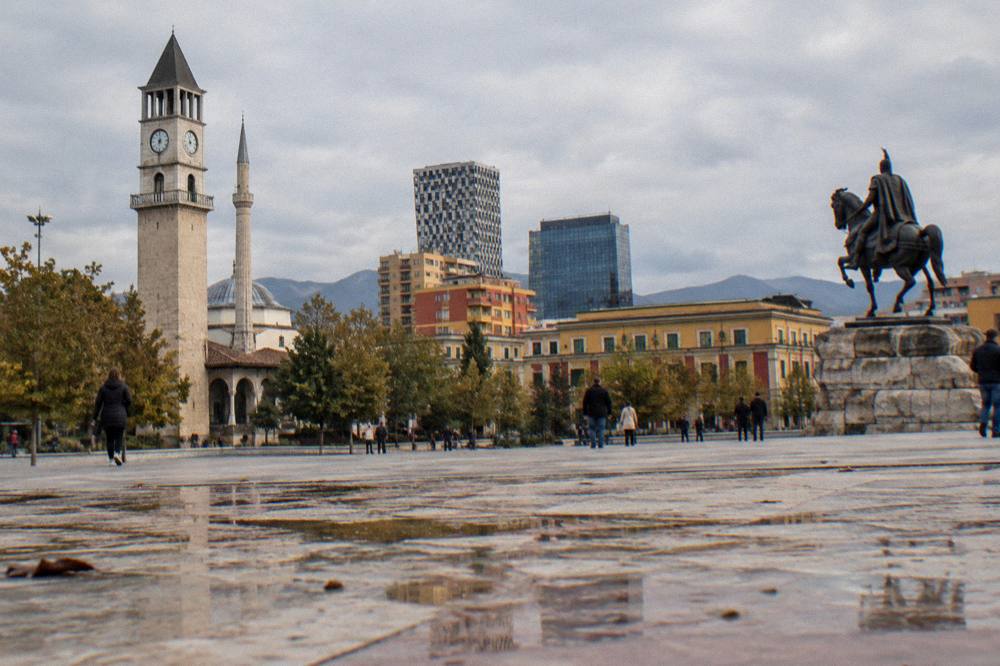
Within about 0.7 km of the Resurrection Cathedral you can reach the Et'hem Bey Mosque, the Clock Tower with its roughly 90 steps, the closed National History Museum with its mosaic facade, the Pyramid of Tirana, the New Bazaar and Tanners' Bridge, all on foot from Skanderbeg Square. Two more stops, Bunk'Art 2 and the House of Leaves, sit under 0.3 km away. It is a dense, walkable circuit that fills half a day easily.
Plan the loop clockwise from the square. Start with the Et'hem Bey Mosque and the Clock Tower at the square's south-eastern corner, then walk south to the cathedral itself. From there, the Pyramid of Tirana is about 0.7 km south-east, its exterior steps free to climb, and the Postbllok memorial about 0.9 km south along the boulevard toward Mother Teresa Square, 1.2 km south, at the edge of the Grand Park of Tirana. The New Bazaar, 0.6 km east of the square, is the food and coffee stop on the route, and the Sky Tower, 0.7 km south, adds a rotating view over the whole circuit if the weather holds.
| Stop | Direction from the square | Distance | Status or note |
|---|---|---|---|
| Et'hem Bey Mosque | south-east | about 0.2 km | free, outside prayer times, modest dress |
| Clock Tower | south-east | about 0.2 km | about 90 steps; confirm fee and hours on site |
| National History Museum | on the square | 0 km | closed for restoration, announced to March 2028 |
| Bunk'Art 2 | south-east | about 0.2 km | open daily from 09:30, tickets at the door |
| House of Leaves | south-west | about 0.2 km | 09:00 to 19:00 daily, 700 lek adult |
| Pyramid of Tirana | south-east | about 0.7 km | exterior free, reopened 2023 |
| New Bazaar | east | about 0.6 km | public market quarter |
Note the trap that catches out readers of older guides: the National History Museum, whose monumental mosaic facade still dominates the square, has been closed to visitors since 15 March 2024 for restoration, and the announced closure runs to March 2028. Say you will see the facade, not the galleries. The National History Museum page keeps the fuller detail, including what the first phase of restoration completed in May 2026.
When Is The Best Time To Visit The Cathedral And Central Tirana?
Late spring and early autumn are the most comfortable months for walking central Tirana: the ERA5 reanalysis for 1991 to 2020 puts the May mean high at 22.7 C and September at 25.7 C, against 30.4 C in August and 10.8 C in January. November is the highest-rainfall month at 139 mm of rain and August the lowest-rainfall at 31 mm. For the cathedral specifically, weekday mornings avoid both services and tour groups.
The climate table below gives the full monthly picture. These are modelled normals for the Tirana grid cell, not a weather-station record, so treat each figure as plus or minus a degree or two. Winters are mild and wet rather than cold by continental standards, which makes a city-break visit workable year round; the trade-off is rain, with November, December and March all above 100 mm.
| Month | Mean high C | Mean low C | Rain mm |
|---|---|---|---|
| Jan | 10.8 | 2.3 | 106 |
| Feb | 12.0 | 2.9 | 107 |
| Mar | 15.0 | 5.1 | 117 |
| Apr | 18.4 | 8.4 | 105 |
| May | 22.7 | 12.5 | 89 |
| Jun | 26.9 | 16.6 | 51 |
| Jul | 29.8 | 19.1 | 34 |
| Aug | 30.4 | 19.5 | 31 |
| Sep | 25.7 | 16.0 | 99 |
| Oct | 21.4 | 12.2 | 119 |
| Nov | 16.5 | 8.0 | 139 |
| Dec | 11.8 | 4.0 | 138 |
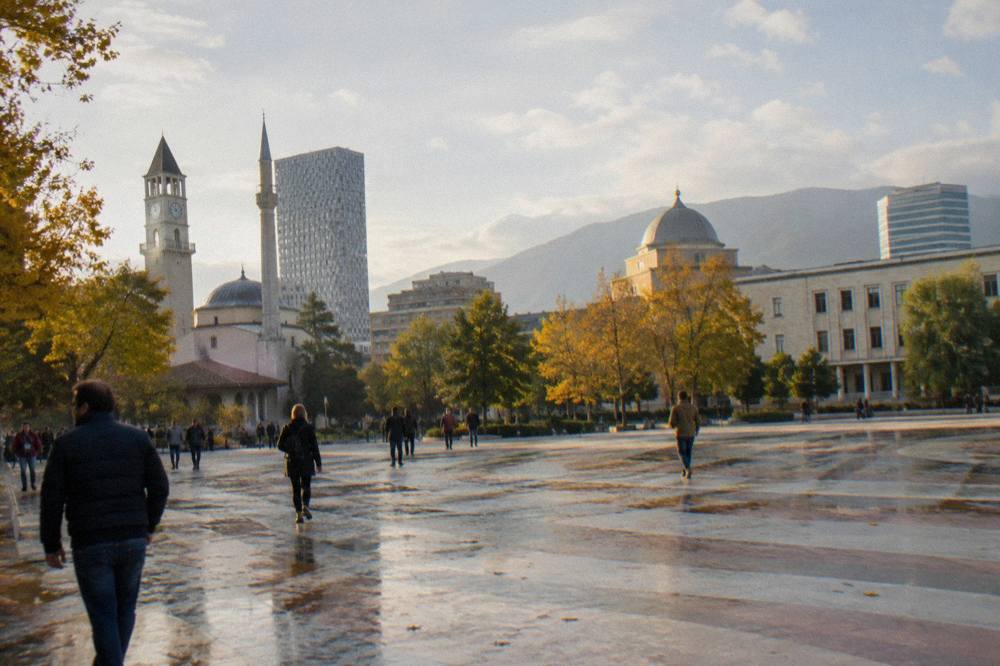
One timing note for late 2026: demonstrations have been held in central Tirana since 13 October 2026, some violent, and the UK FCDO updated its travel advice on 15 October accordingly, advising visitors to avoid demonstrations and check local media. Skanderbeg Square is the usual focal point of such gatherings, so check the situation on the day. The Tirana Marathon, moved from its original late-October dates, now runs 14 to 15 November 2026, which brings road closures and crowds to the centre that weekend.
What Else Should You Know Before Visiting, From Money To Emergencies?
Albania uses the lek (ALL), roughly 90 lek to the euro, and the euro is not legal tender; cards are widely taken in central hotels and restaurants but carry cash for buses, markets and small cafes. Albania is not in the EU or Schengen and runs its own 90-in-180-day visa regime. The emergency numbers are Police 112, Ambulance 127 and Fire 128, and the tap water advice from the UK FCDO is to drink bottled water only.
A few practicalities round out any visit. UK and EU citizens stay visa-free up to 90 days in any 180; US passport holders can stay up to a year, reported per the Albanian foreign ministry's visa regime page. The exchange rate is set by the Bank of Albania, at 90.74 lek to the euro on 23 October 2026, and rates move daily. Plugs are type C and F at 230 volts, the same as most of Europe. Shops and malls are reported open seven days, with hours varying by store, and Pazari i Ri keeps the market quarter lively into the evening.
After the cathedral, the natural evening move is into Blloku, the former insiders' quarter about 0.8 km south of the square and now the city's cafe and bar district, described across local guides as Tirana's main nightlife area. For dinner, the traditional route is tave kosi, baked lamb under a yogurt and egg topping, or byrek, the layered filo pie sold everywhere; the Albanian food guide covers the full table. An evening show of traditional music and dance, or a vineyard visit in the Durres countryside, both work as a second-day plan for travellers with more than a weekend in the city.
Common Questions About The Resurrection Cathedral In Tirana
Is the Resurrection Cathedral in Tirana free to enter?
Churches in Albania are generally free to enter, and no admission fee is published for the cathedral. Confirm on arrival, and leave a small candle donation if you light one.
What are the opening hours of the Resurrection Cathedral?
No official hours are published for the cathedral. Sunday morning is the main liturgy and weekday mornings are usually quieter; confirm locally before a dedicated visit.
How far is the Resurrection Cathedral from Skanderbeg Square?
About 0.2 km south of the square, a walk of roughly three minutes. The Et'hem Bey Mosque and the Clock Tower sit about the same distance to the south-east.
Can you take photographs inside the Resurrection Cathedral?
Photography is generally acceptable in the nave outside services, as in Orthodox churches generally. Avoid photographing worshippers or shooting during the liturgy.
Is the Resurrection Cathedral Orthodox or Catholic?
It is the principal cathedral of the Albanian Orthodox Church in the capital. The Catholic cathedral, St Paul's, stands about 0.5 km south-east of Skanderbeg Square.
What should you wear to visit the Resurrection Cathedral?
Modest dress: shoulders and knees covered, and a headscarf for women is the Orthodox convention. The same courtesy applies at the Et'hem Bey Mosque, where shoes also come off.
Tirana rewards exactly this kind of slow, square-centred wandering, and the cathedral is the quiet anchor at the middle of it: a working Orthodox church a three-minute walk from a mosque, a clock tower and a closed museum, in a capital where four faith communities share one small centre.