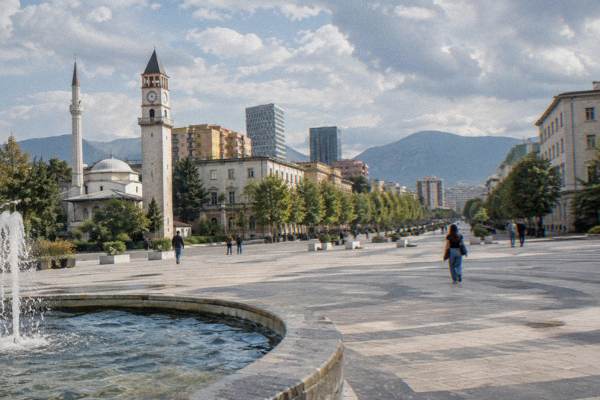
Tirana Weather Month By Month
Tirana sits in an inland basin at the foot of Mount Dajti, and its climate runs to hot dry summers and mild wet winters. Here is what the ERA5 reanalysis, 1991-2020 shows for every month, and what it means for a visit.
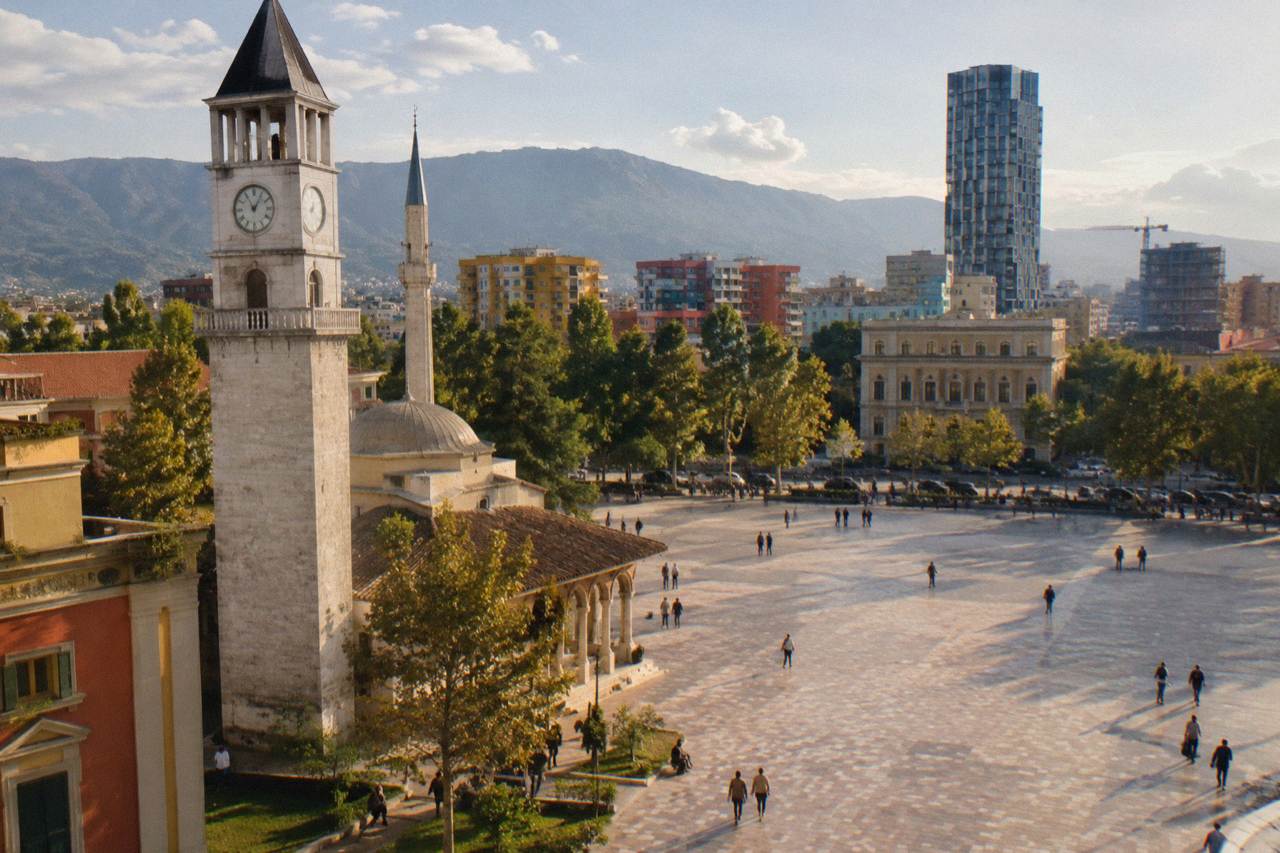
Short answer
Tirana has hot dry summers and mild wet winters. August averages a high of 30.4 C and January a high of 10.8 C with a low of 2.3 C. Rainfall peaks in November at about 139 mm and falls to about 31 mm in August.
Tirana, the capital of Albania, is an inland city in a basin at the foot of Mount Dajti, about 37 km and 39 minutes by road from the Adriatic coast at Durres. That geography shapes its weather: hot, dry summers, mild and wet winters, and shoulder seasons that change quickly. The figures below come from the ERA5 reanalysis, 1991-2020, a modelled grid cell over the city rather than a weather station record, so treat every high and low as carrying a degree or two of smoothing. Together with the month by month numbers, this guide covers what the seasons mean for walking, packing and day trips, and it pairs naturally with the broader planning pages on the Tirana Albania Travel Guide.
What Is The Weather Like In Tirana Through The Year?
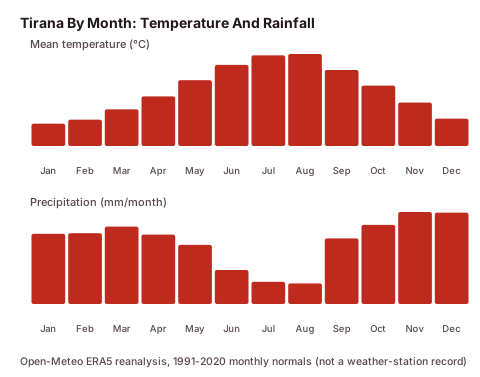
Tirana has a hot-summer Mediterranean climate with continental leanings: summers are hot and almost rainless, winters are mild on the afternoon clock but cold at night, and the transitions in between are short. The ERA5 reanalysis, 1991-2020 puts the January mean high at 10.8 C and the August mean high at 30.4 C, with rainfall concentrated in the October-to-January window and only about 31 mm across the whole of August.
The city's position matters more than its latitude. Tirana sits in a basin ringed by hills, with Mount Dajti rising to the east, and the Adriatic Sea only close enough to moderate the extremes slightly. Winter rain arrives in long wet spells rather than all-day downpours, and summer heat builds through July and August with very little rain to break it. Between the two, May and late September offer the most comfortable walking weather of the year.
For context on choosing dates rather than packing, the companion pages on the best time to visit Tirana and the question page What Is The Best Month To Visit Tirana go deeper on crowds, prices and events.
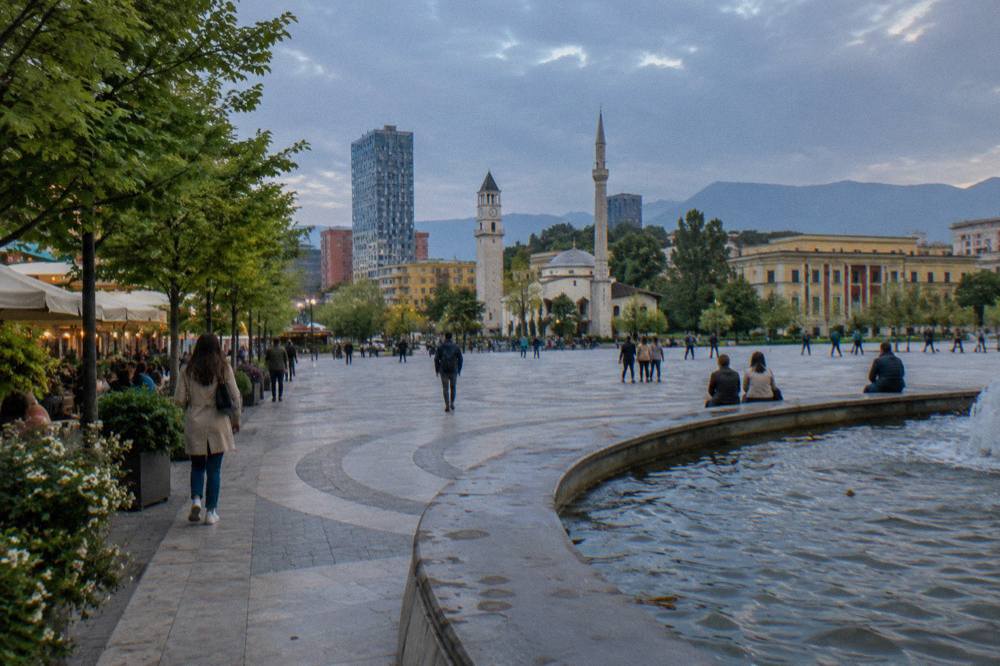
How Hot Does Tirana Get In Summer?
July and August are the hot, dry months: the ERA5 reanalysis, 1991-2020 gives July a mean high of 29.8 C and August 30.4 C, with mean lows near 19 C and monthly rainfall of only about 34 mm and 31 mm respectively. June sits a notch lower at a 26.9 C mean high, while September cools to a 25.7 C mean high as the first autumn rain returns.
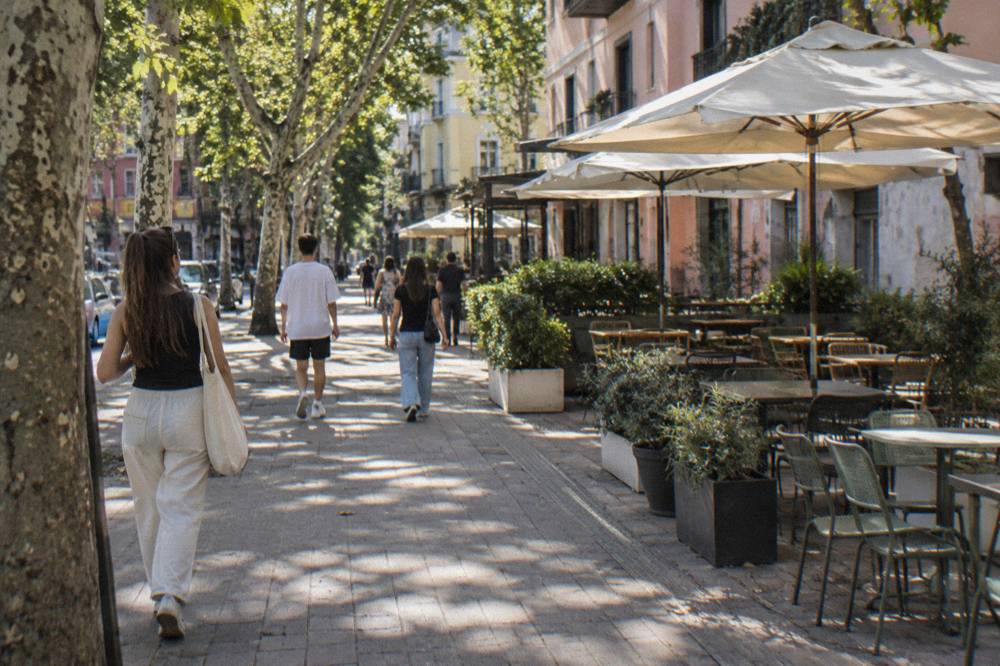
Those are averages, not ceilings, and afternoons in July and August regularly run several degrees above them. The useful planning detail is how the city is built around that heat. Tirana's cafe culture moves outdoors in the evening, the Grand Park of Tirana and the Artificial Lake about 2.1 km south of Skanderbeg Square give shade and water, and the Dajti Ekspres cable car, about 4.4 km north-east of the square, lifts you onto the mountain where the air runs cooler than the basin below. The operator describes it as the longest cableway in the Balkans, an Austrian-built line, and sells tickets only at the lower station, usually closed on Tuesdays for maintenance, so check before heading out.
A guided walk such as the Hidden Treasures guided walk works well in summer precisely because it is short: mornings before the afternoon peak are the comfortable window.
How Much Rain Does Tirana Get, And When?
Rain in Tirana is strongly seasonal: the ERA5 reanalysis, 1991-2020 shows November as the peak month with about 139 mm and December close behind at about 138 mm, while July and August receive roughly 31 to 34 mm each across the whole month. The wet season effectively runs from October through January, and the table records roughly 11 to 12 rain days of at least 1 mm in each of the November-to-April months.
| Month | Mean high C | Mean low C | Rain mm | Rain days (1 mm or more) |
|---|---|---|---|---|
| Jan | 10.8 | 2.3 | 106 | 10.3 |
| Feb | 12.0 | 2.9 | 107 | 11.0 |
| Mar | 15.0 | 5.1 | 117 | 11.1 |
| Apr | 18.4 | 8.4 | 105 | 12.6 |
| May | 22.7 | 12.5 | 89 | 11.3 |
| Jun | 26.9 | 16.6 | 51 | 7.0 |
| Jul | 29.8 | 19.1 | 34 | 5.3 |
| Aug | 30.4 | 19.5 | 31 | 5.1 |
| Sep | 25.7 | 16.0 | 99 | 9.4 |
| Oct | 21.4 | 12.2 | 119 | 9.5 |
| Nov | 16.5 | 8.0 | 139 | 11.2 |
| Dec | 11.8 | 4.0 | 138 | 12.0 |
Two patterns in that table deserve a closer look. September is a transition month: the mean high of 25.7 C still reads as summer, but rainfall jumps from August's 31 mm to about 99 mm, so a September visit needs both sunscreen and a rain layer. And spring rain does not fade as fast as in the classic Mediterranean script: April still records about 105 mm, more than March, and only in June does the profile turn genuinely dry.
| Season | Months | Mean high range | Rain pattern |
|---|---|---|---|
| Winter | Dec to Feb | 11.8 to 12.0 C | 106 to 138 mm per month |
| Spring | Mar to May | 15.0 to 22.7 C | 89 to 117 mm per month |
| Summer | Jun to Aug | 26.9 to 30.4 C | 31 to 51 mm per month |
| Autumn | Sep to Nov | 16.5 to 25.7 C | 99 to 139 mm per month |
Wet days in Tirana rarely mean a written-off day. The museums cluster within a short walk of the centre: Bunk'Art 2 is about 0.2 km south-east of Skanderbeg Square and open daily from 09:30, and the House of Leaves, about 0.2 km south-west, lists daily opening from 09:00 to 19:00. The museums guide and the rainy day ideas page list more options, including the important caveat that the National History Museum on the square itself is closed for restoration until about March 2028. A cooking class is another dry-day plan that works year round, since the kitchen does not care what the sky is doing over the basin.
What Are Winters Like In Tirana?
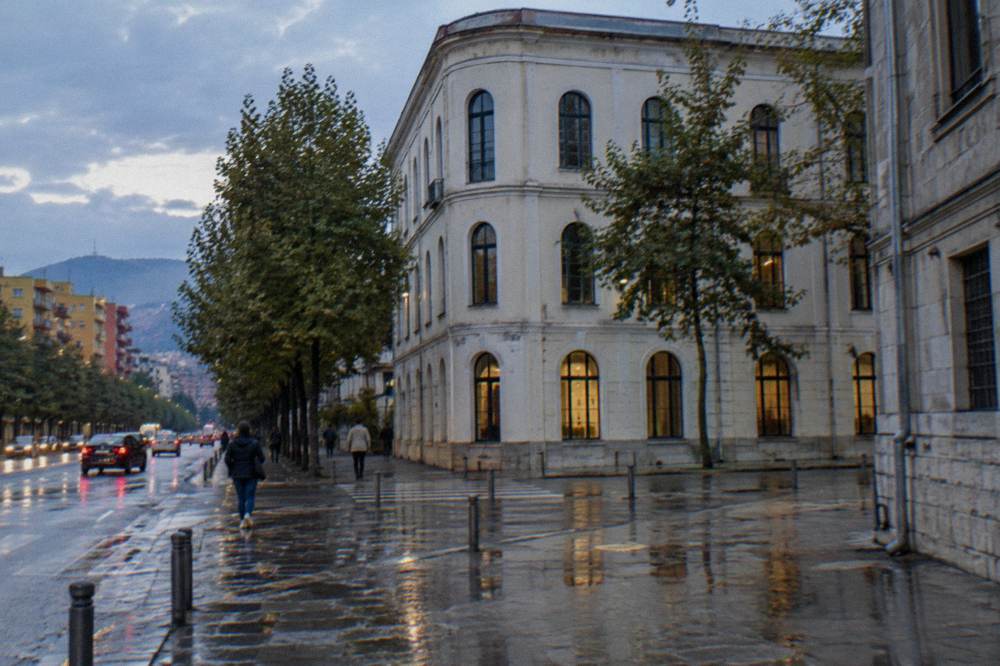
Winter in Tirana is mild by day and cold by night: the ERA5 reanalysis, 1991-2020 gives January a mean high of 10.8 C and a mean low of 2.3 C, with December and February within a degree or two of that, and about 106 to 138 mm of rain per month. The table measures temperature and precipitation only, so it says nothing about snowfall in the city, and no snow-day count exists for Tirana or Mount Dajti in the data used here.
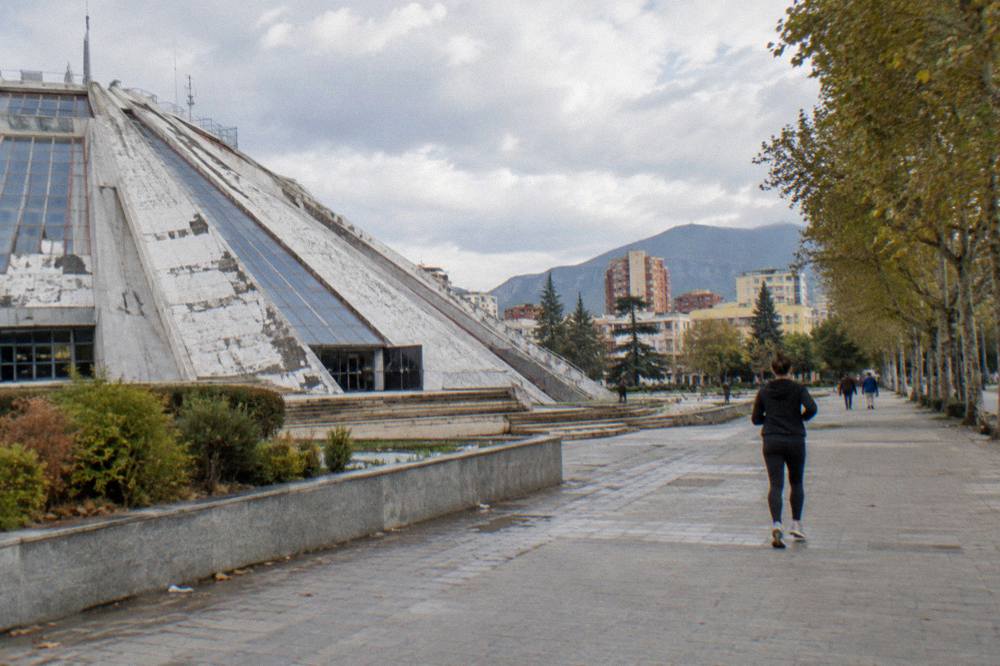
That January mean low of 2.3 C is the number that surprises visitors. Heating in older buildings varies, evenings outdoors thin out, and the Blloku cafe quarter about 0.8 km south of the square moves indoors. Rain arrives as spells rather than constant drizzle, and clear winter days, with the ring of hills visible from the Pyramid's steps about 0.7 km south-east of the square, are common enough to plan around. Daylight is also short in deep winter, with sunrise around 07:00 and sunset before 18:00 in late October, so outdoor plans are best front-loaded into the morning and early afternoon.
| Winter month | Mean high C | Mean low C | Rain mm | What it means on the ground |
|---|---|---|---|---|
| Dec | 11.8 | 4.0 | 138 | Wet spells, cold nights, short days |
| Jan | 10.8 | 2.3 | 106 | Mildest afternoons of winter are still jacket weather |
| Feb | 12.0 | 2.9 | 107 | Slow warming, rain easing only slightly |
A winter caveat belongs on any 2026 page: demonstrations have been held in central Tirana since 13 October 2026, some violent, and the UK FCDO updated its travel advice on 15 October. Check the current situation and local media before planning a winter visit, and see the safety page for the standing context. On the brighter side, the Tirana Christmas market usually runs through December on Skanderbeg Square, though its exact dates are announced late each year.
Which Months Are Best For Walking The City?
The shoulder windows of May and late September into early October are the most comfortable for walking Tirana: May averages a high of 22.7 C with about 89 mm of rain, and October a high of 21.4 C with about 119 mm, while June offers warmer, drier conditions at a 26.9 C mean high and about 51 mm of rain. March and April are workable but wetter, at 105 to 117 mm each.
Tirana rewards walking because its core is compact. From Skanderbeg Square, the Et'hem Bey Mosque and Clock Tower sit about 0.2 km south-east, the New Bazaar about 0.6 km east, and the Grand Park about 2.1 km south, a distance that feels long in August heat and easy in May. A free walking tour option exists in the city, and the free things to do in Tirana page lists what costs nothing in any weather.
| Month | Mean high C | Rain mm | Walking comfort |
|---|---|---|---|
| Apr | 18.4 | 105 | Pleasant afternoons, changeable skies |
| May | 22.7 | 89 | Comfortable all day |
| Jun | 26.9 | 51 | Warm, mostly dry, start early |
| Sep | 25.7 | 99 | Warm but watch for storms |
| Oct | 21.4 | 119 | Comfortable afternoons, wet spells |
Heat changes the rhythm rather than the route. In July and August, sensible planning puts the outdoor sights, the square, the Pyramid steps and the Pazari i Ri market about 0.6 km east, before midday and reserves mid-afternoon for museums or the cable car. Winter reverses the advice: afternoons near 11 C are the pleasant part of the day, and the indoor attractions, from the Bunk'Art pair to the House of Leaves, carry the evening.
What Should You Pack For Tirana Weather?
Pack for two climates in one bag: summer calls for sun protection and light layers with something warm for air-conditioned interiors, while the October-to-April window calls for a proper rain layer, warm evenings wear and waterproof shoes, because November and December each average well over 100 mm of rain and January nights average 2.3 C. Shoulder seasons need both kits in miniature.
| Period | Daytime | Evening | Rain plan | Extras |
|---|---|---|---|---|
| Jun to Aug | Light clothing, hat, sunscreen | Light layer | Rarely needed | Water bottle for the basin heat |
| May, Sep | Layers, t-shirt plus shirt | Light jacket | Packable rain layer | Umbrella for September |
| Mar, Apr, Oct | Long sleeves, light jacket | Warm jacket | Rain layer and umbrella | Comfortable waterproof shoes |
| Nov to Feb | Coat over warm layers | Hat and gloves sensible | Umbrella plus rain coat | Shoes with grip for wet pavements |
Two local details sharpen the list. Mosque visits, including the Et'hem Bey Mosque and the Namazgah Great Mosque about 0.6 km south-east of the square, ask for shoulders and knees covered, and women a headscarf, which is courtesy guidance rather than a city rule, so keep a scarf or long layer handy in any season. And the plug sockets are type C and F at 230 V, standard European, so visitors from outside Europe need an adapter regardless of the weather.
Does Tirana Weather Affect Day Trips?
Weather barely changes the day-trip map around Tirana but changes the calendar: Durres and the Adriatic coast, about 37 km and 39 minutes by road, belong to the June-to-September window, while the mountains, Kruja at about 45 minutes and Lake Bovilla at about 61 minutes by road, are best in the cooler months, because summer heat makes hiking routes around the basin uncomfortable by midday.
| Day trip | Road time from Skanderbeg Square | Best weather window | Why |
|---|---|---|---|
| Durres and the coast | About 39 min | Jun to Sep | Beach and Roman ruins suit dry heat |
| Kruja Castle and bazaar | About 45 min | Mar to Jun, Sep to Nov | Cobbles and an open bazaar in mild air |
| Petrela Castle | About 22 min | Any month | Short trip, works around rain spells |
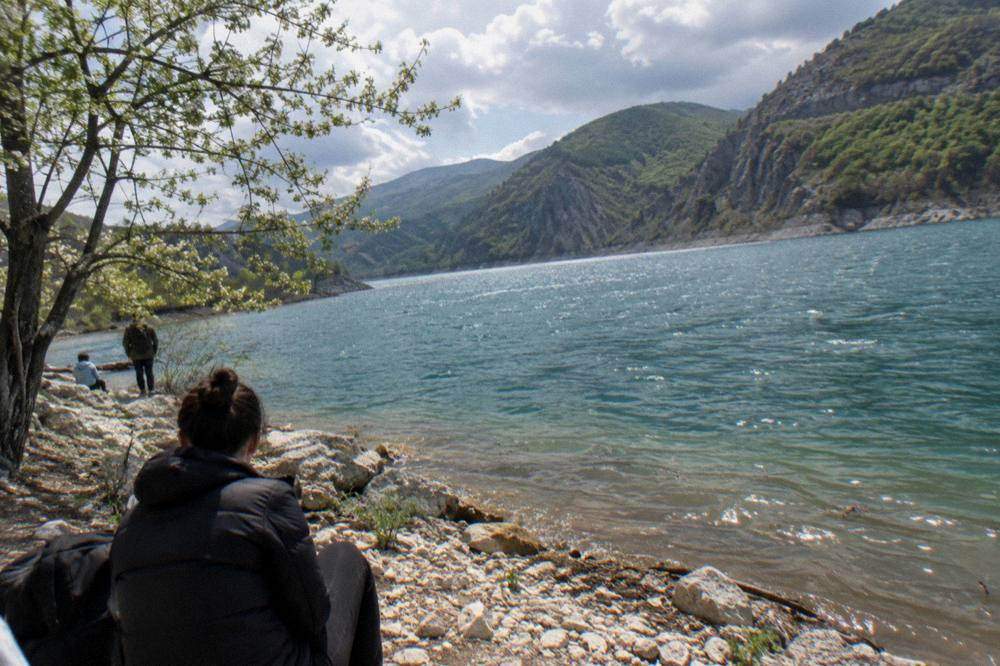
| Lake Bovilla | About 61 min | Spring and autumn | Hike in comfort before summer heat |
| Berat | About 122 min | Spring and autumn | Long day, better without rain or peak heat |
| Mount Dajti by cable car | About 53 min by road to the summit area | May to Oct | Clear-air views over the basin |
The long southern trips change character with the season rather than becoming impossible. Gjirokaster is about 209 minutes by road from the square, Saranda about 248, and Butrint about 271, and the Tirana to Saranda guide treats them as overnight or long-tour days in any case. Autumn rain can slow mountain roads and summer heat makes the middle of the day the wrong time for the Berat castle slopes, so the shoulder months carry those itineraries best. Closer to home, the Durres day trip page covers the coastal run that summer visitors ask about first.
How Does Tirana Weather Compare With The Albanian Coast?
Tirana's inland basin runs a touch wider in range than the coast: its August mean high of 30.4 C and January mean low of 2.3 C bracket the milder, steadier maritime profile of Durres and the Adriatic, and the city's rain is concentrated in the same October-to-January window. In practice the coast is a summer destination from Tirana while the city itself is a year-round one, an inland base about 39 minutes from the sea.
That is the planning difference in one line. Coastal towns empty of purpose once the beach season closes, but Tirana's attractions, the Bunk'Art museums, the House of Leaves, the cafes of Blloku and the Grand Park, keep going through the wet months, which is why the city works as a winter city-break in a way the coast does not. The trade-off is summer: the coast gets the sea breeze, and the basin gets the accumulated heat, so August visitors who want both usually split their stay.
Does It Ever Snow In Tirana?
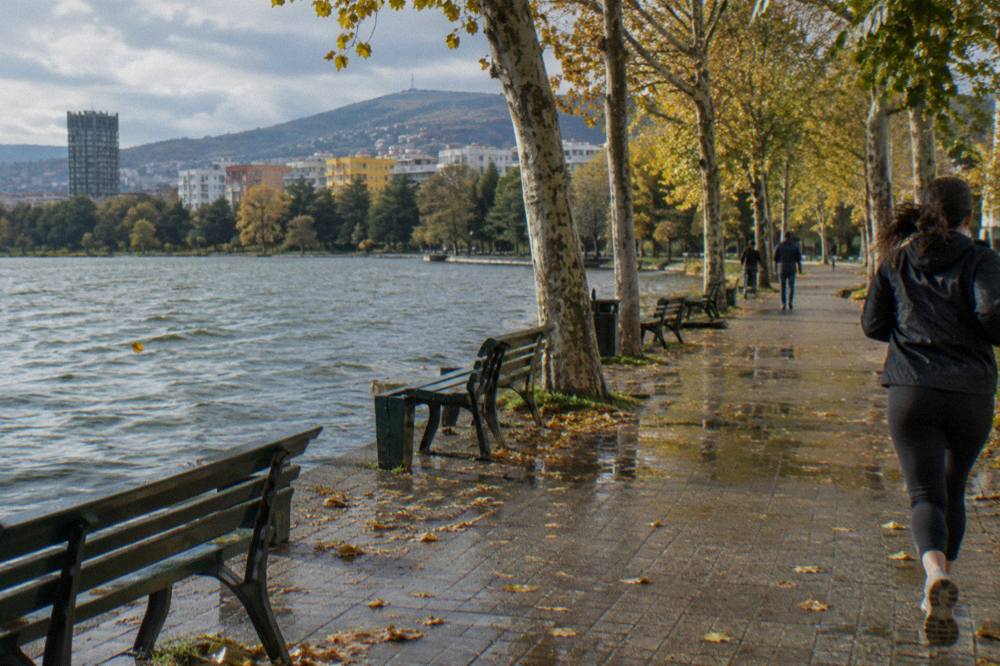
The ERA5 reanalysis table used for this guide measures temperature and precipitation only, and with a January mean low of 2.3 C and a December mean low of 4.0 C, Tirana's winter nights sit near freezing rather than well below it, so snow in the city is possible on the coolest nights but is not a feature the data can promise. No snow-day count exists for Tirana or for Mount Dajti in the material here, so no snow claim is made either way.
What the numbers do support is frost-cold nights followed by mild afternoons. A January day can run from a night near 2 C to an afternoon near 11 C, which is a bigger daily swing than many visitors expect, and it argues for layered clothing rather than a single heavy coat. Anyone hoping for mountain snow should treat it as a bonus rather than a plan: the Mount Dajti National Park guide covers the mountain in every season without promising snow.
Common Questions About Tirana Weather
What is the warmest month in Tirana?
The ERA5 reanalysis, 1991-2020 gives August the highest mean daily high at 30.4 C, with July at 29.8 C close behind. Afternoons in both months often run above those means.
What is the rainiest month in Tirana?
November, at about 139 mm across the month, with December nearly identical at about 138 mm. Rain days of at least 1 mm run at about 11 to 12 per month from November to April.
Is Tirana too hot in August?
August afternoons regularly exceed the 30.4 C mean high. The city adapts around the heat: mornings for walking, midday for museums or the cable car, and evenings outdoors in Blloku and around the square.
Is winter a bad time to visit Tirana?
Not for a city break. January afternoons average 10.8 C, the museums and cafes keep normal hours, and the Christmas market usually runs through December. Bring a rain layer and expect cold nights near 2.3 C.
When is the best weather for a Mount Dajti cable car ride?
May to October offers the clearest, warmest conditions at the lower station about 4.4 km north-east of Skanderbeg Square. The line is reported to close on Tuesdays for maintenance, and tickets are sold only at the lower station, so confirm on the day.
Does it rain all day in Tirana in winter?
Rain tends to arrive in spells rather than continuous downpours. December averages about 12 rain days of at least 1 mm, which still leaves dry days and dry stretches in every winter month.
The short version of all of this: Tirana is a city you can visit in any month if you pack for it. Bring sun protection from June to August, a rain layer from October to April, and plan the mountains and the coast around the seasons they are built for. The things to do in Tirana roundup then does the rest of the planning work, whatever the month on your ticket.