Is Tirana Safe? Scams, Traffic And Night Walks
Tirana, the capital of Albania, is a walkable inland city, and the honest safety picture in late 2026 is: ordinary street crime is low-key, traffic is the everyday hazard, and the one thing to plan around is demonstrations in the centre.
Short answer
Tirana is broadly safe for visitors: the US advises increased caution, the UK FCDO highlights demonstrations in central Tirana since 13 October 2026 (avoid them), the everyday risks are traffic and petty theft in crowds, and the emergency numbers are Police 112, Ambulance 127 and Fire 128.
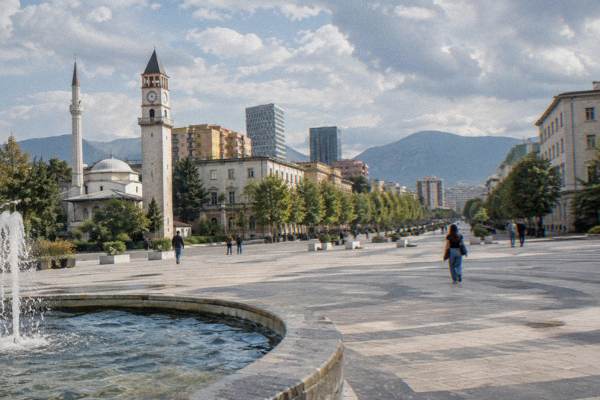
Tirana, the capital of Albania, sits in a basin at the foot of Mount Dajti about 37 km from the Adriatic coast at Durres, and the safety question visitors ask about it in late 2026 has a specific shape. The city itself is compact, walkable and, by the standards of European capitals, low on violent crime. The two things that actually change a trip are traffic, which is chaotic and deserves attention every day, and the political demonstrations that have been held in central Tirana since 13 October 2026, some of them violent, which deserve a quick check of the news each morning you are there. This page walks through the official advice, the everyday risks and the practical details, including what to do at night and which numbers to call. For the wider planning picture, start with things to do in Tirana and the Tirana Albania Travel Guide overview.
Is Tirana Safe Right Now?
Yes, for ordinary tourism, with one current caveat: the UK FCDO's advice, updated on 15 October 2026, highlights demonstrations in central Tirana that have been held since 13 October 2026, some violent, and advises avoiding them and checking local media. Outside that, the US State Department's standing guidance for Albania is level 2, meaning it advises increased caution, the same band many popular European destinations sit in.
That pairing is the honest headline. The FCDO does not advise against travel to Tirana or to Albania; it flags the demonstrations, notes that tremors are common and serious earthquakes less frequent, and reminds travellers of the standard practicalities. The US "exercise increased caution" rating is a general, country-wide standing level rather than a Tirana-specific alarm.
What the official advice does not contain is just as telling. There is no crime statistic for Tirana in any of the sources behind this page, no official "safest neighbourhood" ranking and no government list of named scams. A guide that hands you those is guessing. What can be said, plainly, is the neutral line that holds for any busy capital: watch your belongings in crowds, especially around Skanderbeg Square, on public transport and at Pazari i Ri, the New Bazaar about 0.6 km east of the square.
The current-conditions picture also has a calendar effect worth knowing. The Tirana Marathon, originally set for 24 to 25 October 2026, was moved to 14 to 15 November 2026 because of the demonstrations, so streets in the centre will close on those dates. If your trip overlaps mid-November, expect disruption downtown, not danger. The deeper question many travellers arrive with, Is Albania Safe Right Now For Tourists, gets the same answer at national scale.
What Is The Situation With Demonstrations In Central Tirana?
Demonstrations have been held in central Tirana since 13 October 2026, some of them violent, and the UK FCDO updated its travel advice on 15 October 2026 to say so, advising visitors to avoid demonstrations and check local media. The Tirana Marathon was moved from 24 to 25 October to 14 to 15 November 2026 as a result, which tells you the disruption is real but also being managed.
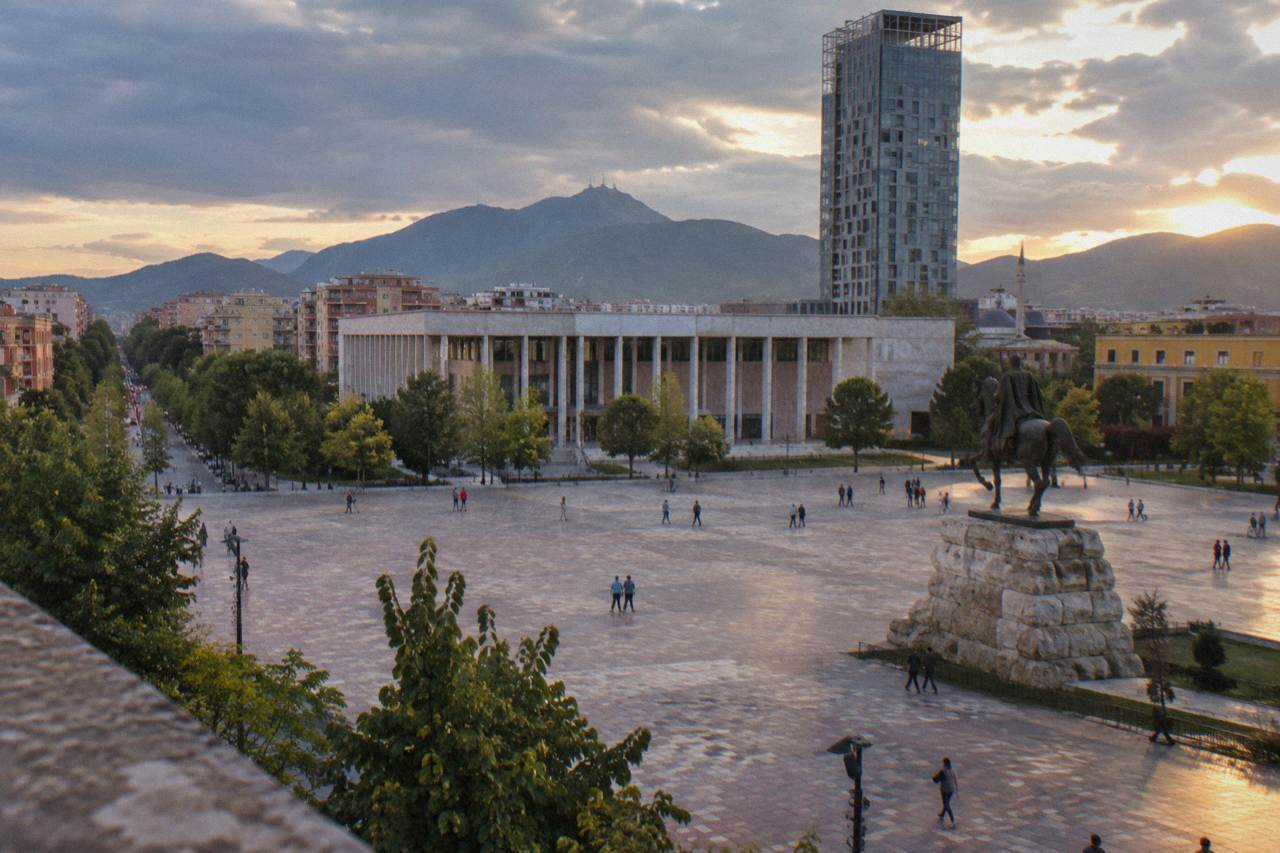
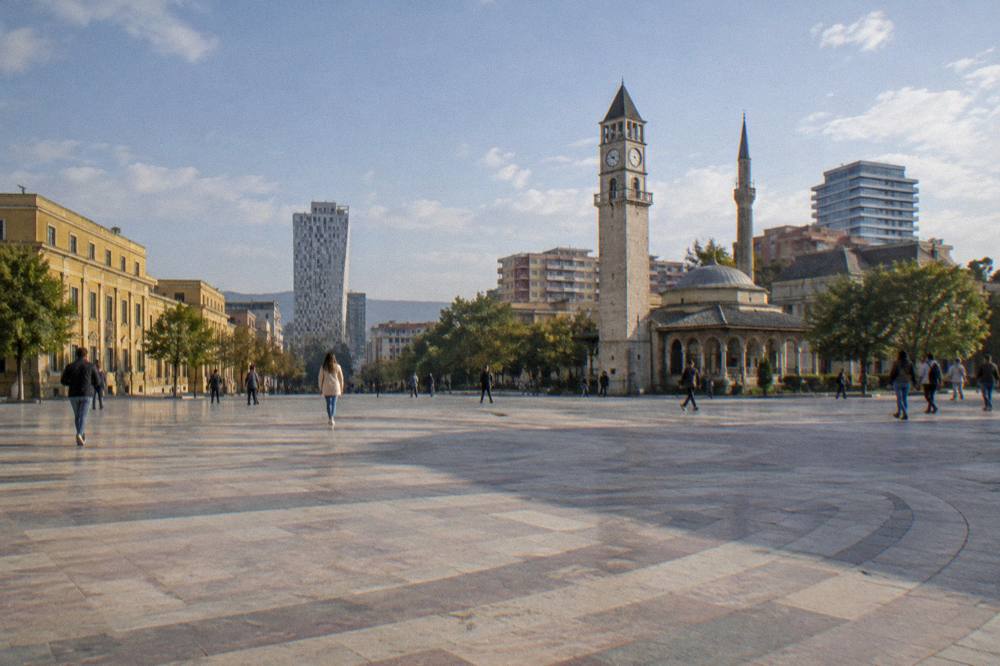
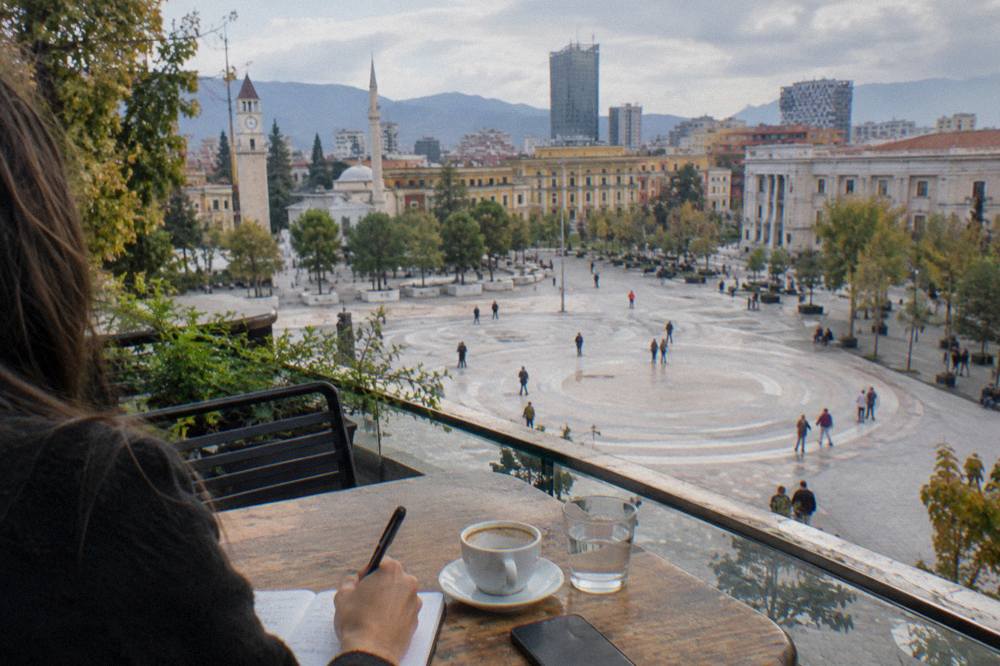
The gatherings have centred on the government quarter and Skanderbeg Square, the large pedestrian space at the city's heart that official tourism pages describe as one of Tirana's most important public spaces. Protesters do not target tourists, and the incidents that have turned violent have been confrontations with police, but the practical advice is simple: if a crowd is gathering, walk the other way, and if a route is blocked, the city grid offers plenty of alternatives a street or two over.
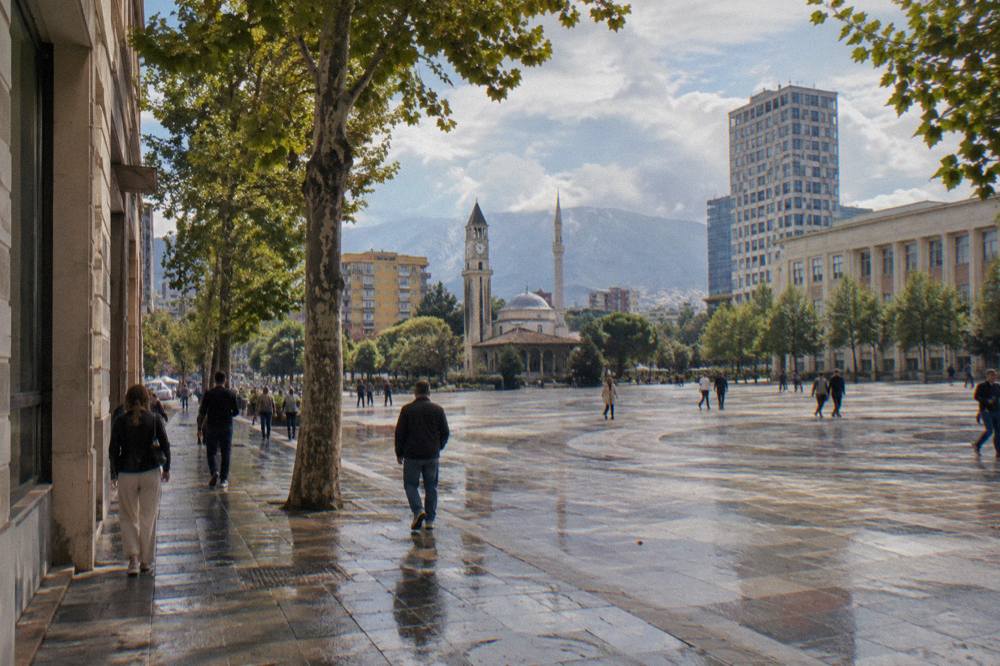
For trip planning, the demonstrations matter in three concrete ways. First, museum and sight access can shift on protest days, and the biggest sight on the square, the National History Museum, is anyway closed for restoration until about March 2028. Second, buses and taxis route around the centre when streets close, so build slack into travel days. Third, if you have a flight, the airport road is not in the protest zone; the airport is 15.9 km away and about 29 minutes by road in normal traffic, and the Tirana airport to city centre transfer options are unaffected as a rule.
A reasonable question is whether evenings are different from afternoons. The FCDO note does not distinguish by time of day, and neither will this page beyond the obvious: crowds, where they gather, are the thing to avoid, whatever the hour. For the full after-dark picture, see the next section, and for the guided option, the evening walking tours below are one way to see the lit-up centre with a local who knows which streets stay busy.
Is It Safe To Walk Around Tirana At Night?
Yes, in the busy central areas: the stretch from Skanderbeg Square south along the main boulevard to Mother Teresa Square, roughly 1.2 km, plus Blloku, the cafe and bar quarter about 0.8 km south of the square, stay populated and lit into the late evening, and no official source names a central street to avoid after dark. The caveats are the same as by day: avoid any demonstration, watch belongings in crowds, and treat traffic as the main hazard.
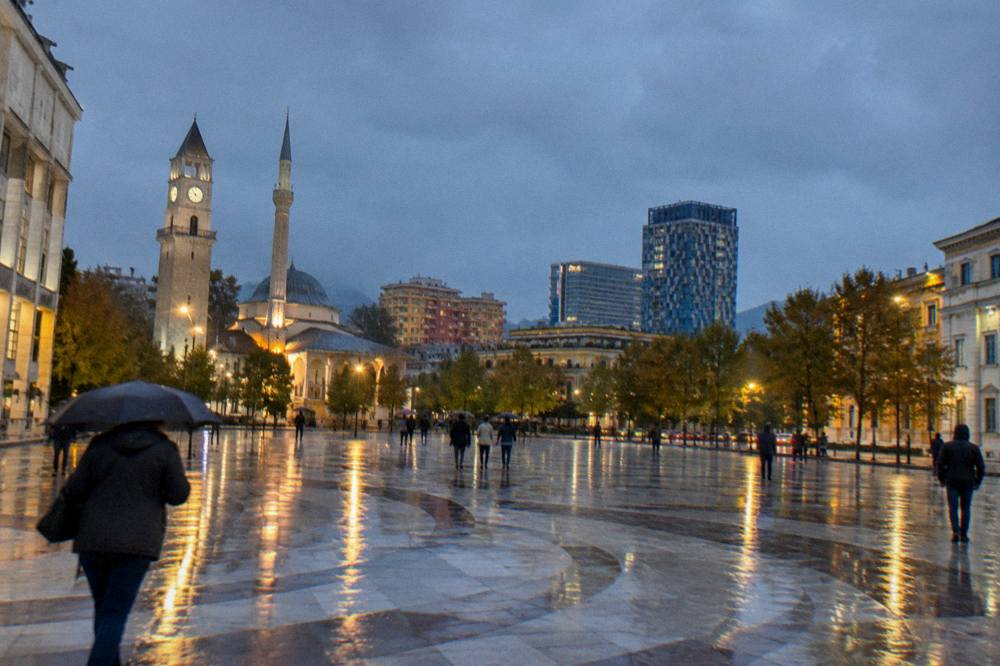
Night in Tirana is a cafe-and-terrace affair. Reported consistently across recent guides, Blloku is the main bar and nightlife district, a compact grid that was once the party elite's enclave and is now where the terraces concentrate. The walk from the square to Blloku passes the Pyramid of Tirana, about 0.7 km south-east of the square, whose stepped exterior is lit at night and can be climbed for free, and Postbllok, the memorial about 0.9 km south at the entrance to the former elite quarter. It is a pleasant, well-lit corridor.
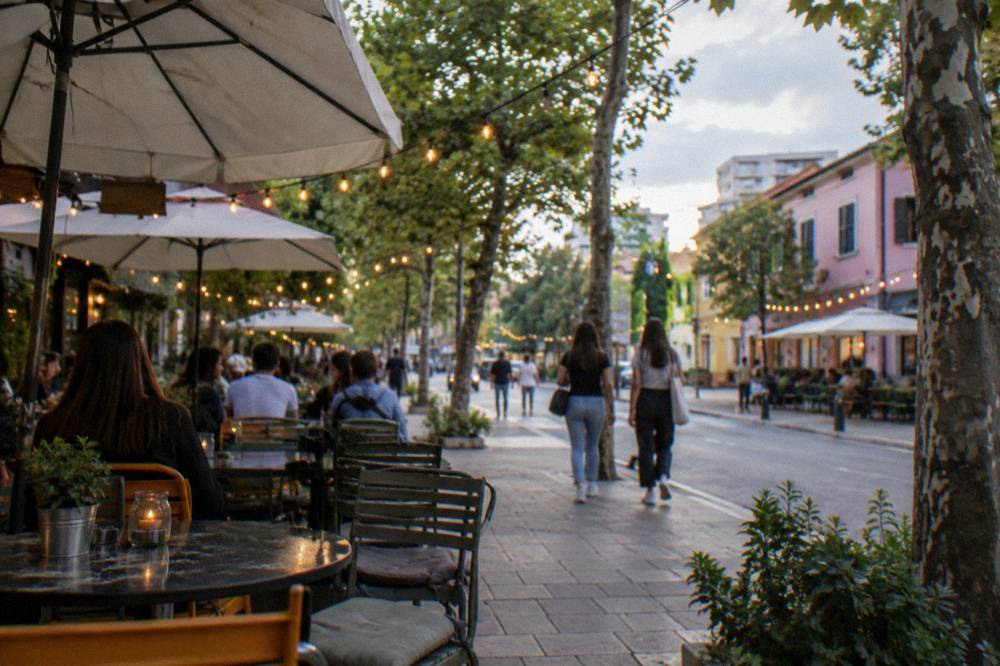
Two practical notes for late evenings. First, city buses stop running around 23:00, per the reported schedule, so after that you are on foot or in a taxi; Uber and Bolt do not operate in Tirana, and local taxi apps do, so agree the fare or use an app that shows it upfront. The deeper dive is Tirana nightlife, and the standalone question Is It Safe To Walk Around Tirana At Night gets its own treatment.
The guided route is genuinely useful after dark, because a local guide steers you along the populated corridors and away from whatever is happening politically that week. The evening and night walking tour in the box above is built exactly around history and architecture after sunset, and it pairs naturally with a food tour earlier in the evening if you want the whole arc of a Tirana night.
What Are The Real Everyday Risks In Tirana?
Traffic, petty theft in crowds, and uneven pavements are the everyday risks in Tirana, in that order, and none of them is dramatic: there is no crime statistic, no official scam list and no named dangerous street in any source behind this page, only the standard capital-city caution of watching your belongings and crossing streets defensively.
Traffic deserves its own paragraph because it is the hazard you meet on day one. Pedestrian crossings are treated as advisory by some drivers, e-scooters weave through the centre, and the ring roads are fast. The rules of thumb: cross with locals, not ahead of them, use the underpasses where they exist around the boulevard, and never assume a green walking signal means cars have stopped. If you drive yourself, Albania drives on the right, drink-driving law is zero tolerance per recent reporting of tightened road rules, and the full picture, including the August 2026 enforcement changes, is on driving in Albania.
| Everyday risk | What it looks like | What to do |
|---|---|---|
| Traffic | Cars and scooters not yielding at crossings | Cross with locals, use underpasses, avoid phone-walking |
| Petty theft | Crowds at the square, markets and on buses | Keep valuables front-facing, no wallets in back pockets |
| Demonstrations | Gatherings in the centre since 13 October 2026 | Avoid crowds, check local media each morning |
| Pavements | Uneven slabs and street works downtown | Watch your step, decent shoes at night |
Beyond those, the list of things that could go wrong shortens fast. Tap water is the one health note with a firm source: UK FCDO health advice for Albania says do not drink the tap water, only bottled water, and that is the whole guidance. Albania's tap-water question is covered fully in its own answer page. The currency, the lek, is not a safety topic but a confusion one: cards are widely taken in central hotels and restaurants, cash still rules for buses and small cafes, and Albanian lek explains it without invented exchange math.
Is Tirana Safe For Solo Travellers And Families?
Yes, with the same two caveats as for everyone: avoid the central demonstrations and treat traffic as the daily hazard. Tirana is a compact capital of 598,176 residents at the 2023 census, walkable from the square to nearly everything, and nothing in the official advice singles out solo travellers, women or families for extra warning.
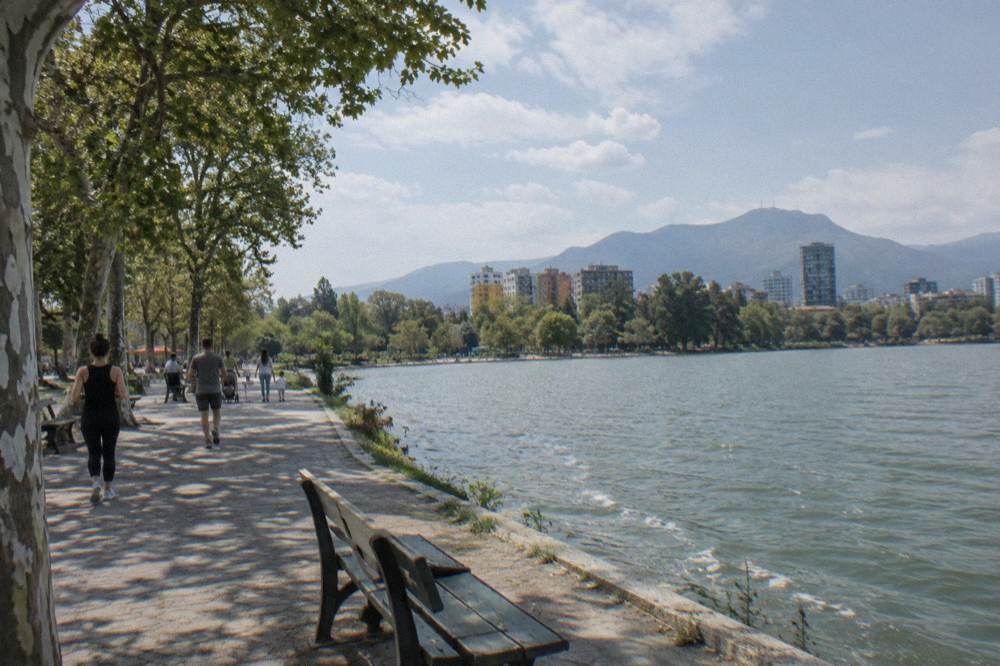
Solo travellers will find the usual mechanics easy. English proficiency in Albania sits in the moderate band on the EF English Proficiency Index, so signage-free moments are manageable, and the guided walks are a natural first-day orientation: the free walking tour options in Tirana and the paid small-group walks both start from the centre. Families get an easy city: the Grand Park, about 2.1 km south-east of the square, with its artificial lake, is the classic stroller-and-ice-cream circuit, and Tirana with kids maps it out. Families with prams or wheelchairs should confirm step-free access directly with each venue.
Two demographics have specific, sourced answers. Same-sex relationships are legal in Albania, and the FCDO notes that Tirana has gay-friendly bars and LGBT+ support groups, which is the full extent of what the official record says. And US visitors, who make up a large share of the city's tourists, can stay up to a year visa-free per the reported visa policy, covered in Albania entry requirements.
Where Should You Stay In Tirana To Feel Comfortable?
The central areas between Skanderbeg Square and Blloku, plus the quieter Grand Park side of the centre, are where visitors concentrate, all within roughly 2 km of the square; no official source rates Tirana neighbourhoods for safety, so the sensible frame is walkability and lighting rather than any imagined good-or-bad map.
The geography is compact enough that the choice matters less than in most capitals. The square itself, with the Palace of Culture and the Et'hem Bey Mosque about 0.2 km south-east, puts you at walking distance to nearly everything. Blloku, about 0.8 km south, puts you in the cafe quarter with the night action. The area around the Grand Park and the artificial lake, about 2.1 km south-east, is the green, calmer option. The full breakdown, with the trade-offs of each, is in Where To Stay In Tirana: Centre, Blloku Or Near The Lake.
| Area | Distance from Skanderbeg Square | Character |
|---|---|---|
| Around the square | At the centre | Hotels, museums, the boulevard, busiest at all hours |
| Blloku | About 0.8 km south | Cafe and bar quarter, lively evenings |
| Grand Park side | About 2.1 km south-east | Green, quiet, near the artificial lake |
| Rruga e Kavajes corridor | About 0.5 km west | Practical, well-connected, fewer sights |
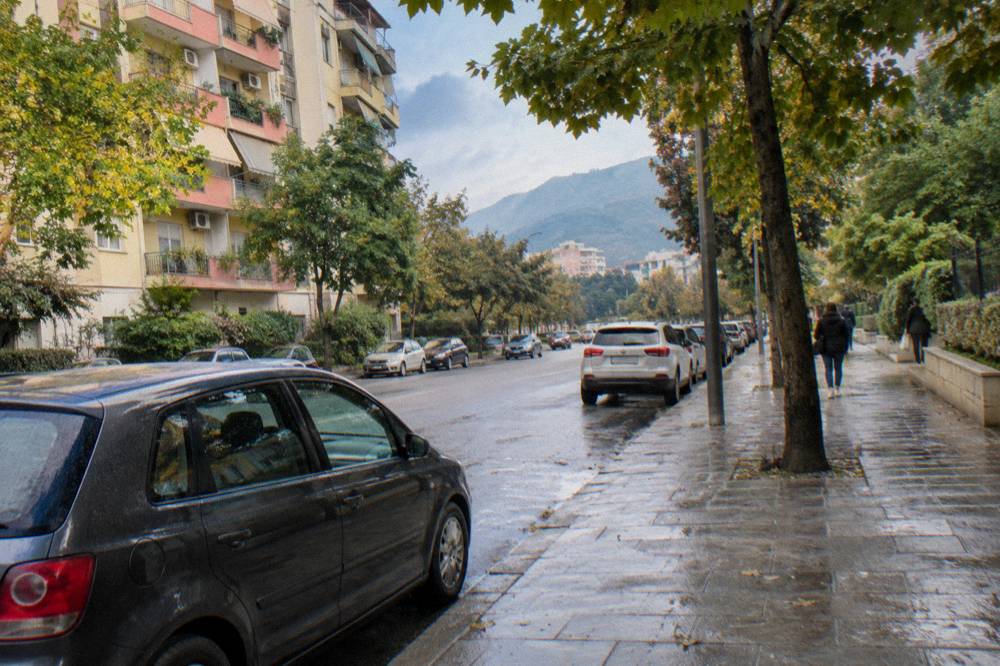
One transport note if you stay further out: the city bus network runs roughly 06:00 to 23:00 with a flat cash fare of about 40 lek paid on board, per the reported details in getting around Tirana. After 23:00 you are in taxi territory, and the local apps are the predictable way to book one.
Is Traffic And Transport In Tirana Dangerous?
Traffic is the one genuinely elevated everyday risk in Tirana, but it is manageable: cross defensively, use the airport bus rather than an informal transfer, and know that Uber and Bolt do not operate while local taxi apps do. The official airport transfer ecosystem, a 24/7 hourly bus at 400 lek and a branded airport taxi at about 2,200 lek to the centre, is the safest and simplest entry into the city.
The airport arrival is the part worth pre-deciding. The official Rinas Express bus runs 24/7, every full hour, takes 30 to 40 minutes, costs 400 lek or 4.50 euro, and stops behind the Palace of Opera and Ballet on Skanderbeg Square, and the ticket is valid all day until 23:59, not tied to one departure. The official airport taxi, branded "TAXI Tirana Airport", is about 2,200 lek one way, 20 to 25 minutes, bookable in advance. There is no airport train; the Tirana-Durres line is being rebuilt with electrification expected by the end of 2027, so anyone selling you a rail connection from Rinas is mistaken.
| Airport option | Fare | Runs | Time to centre |
|---|---|---|---|
| Rinas Express bus | 400 lek / 4.50 euro | 24/7, every full hour | 30 to 40 minutes |
| Official airport taxi | About 2,200 lek | 24/7 | 20 to 25 minutes |
| Airport bus to South-North terminal | 300 lek | Hourly, 08:00 to 18:00 | 20 to 30 minutes |
Inside the city, the bus and taxi notes above cover the ground; the intercity picture, including the South and North Bus Terminal about 3.9 km north-west of the square, is on Tirana bus stations. Driving yourself is a separate decision with its own page; zero-tolerance drink-driving law and tightened phone-use enforcement in 2026 make the rules stricter than the driving culture might suggest.
What About Earthquakes In Tirana?
For a visitor, the practical response is the standard one: know that Albania's emergency number for ambulance is 127, and know your exit routes in older buildings, exactly as you would anywhere seismic.
Tirana sits in a seismic country, and the 2019 earthquake elsewhere in Albania is in living memory, but the official travel advice does not treat it as a reason not to visit. The practical layer for travellers is thin and sensible. Modern hotels in the centre are built to current codes. The older stock in the historic lanes is where the standard exit-route caution applies. If a tremor happens while you are in the street, the open squares, from Skanderbeg Square to Mother Teresa Square about 1.2 km south, are the natural open spaces.
The same calm applies to health planning. Pharmacies are plentiful downtown, the ambulance number is 127, and the FCDO health page carries the bottled-water advice quoted earlier. Travel insurance that covers you in a non-EU country is worth sorting before arrival; Albania's health system is not part of any EU scheme, because Albania is not in the EU, a fact that also shapes the entry process, which runs on Albania's own 90-in-180-day visa regime rather than Schengen rules.
What Are The Emergency Numbers In Albania?
The emergency numbers are Police 112, Ambulance 127 and Fire 128, as listed on the UK FCDO's Albania pages. Memorise or note those three, and for non-emergency consular help, your own embassy details are the thing to carry; there is no separately listed tourist police number in the official sources.
That is the whole kit. Put the three numbers in your phone before you land, along with your hotel's address written down, since street names in Tirana are not always signposted in a way ride-hail drivers or you will find obvious at night. The numbered summary below is the page's practical core in one view.
| Situation | Number or action |
|---|---|
| Police | 112 |
| Ambulance | 127 |
| Fire | 128 |
| Demonstration encountered | Leave the area, check local media |
| Lost passport | Contact your own embassy or consulate |
Does The Season Change The Safety Picture?
No season makes Tirana unsafe, but two patterns matter: summer means heat and the busiest streets, with July averaging a high of 29.8 C and August 30.4 C in the ERA5 1991-2020 reanalysis, and winter means wet pavements and early darkness, with November the high-rainfall month at 139 mm and January's mean low at 2.3 C. Neither is a safety threat beyond ordinary precautions.
The summer heat is the one to respect physically: water, shade in the midday hours, and the Grand Park's tree cover for the middle of the day. Winter's short days shift the evening walk earlier, which many people prefer, and the Christmas market on Skanderbeg Square usually runs through December, giving the centre a busy, populated feel after dark. The month-by-month detail, including what the climate averages mean for planning, is on Tirana weather and best time to visit Tirana.
Can Guided Tours Reduce The Risks In Tirana?
Yes, modestly and in specific ways: a guided walk handles the navigation, the evening routes and the demonstration-adjacent judgement calls on your first day, and the food and evening tours below keep you in populated corridors after dark. None of that replaces the basic precautions, but a local guide is the fastest way to learn which parts of the centre stay busy at which hours.
The evening and night walking tour that anchors this page is the clearest fit: it exists precisely for the hours when visitors are least sure of themselves. The food-tour option does the same for the early evening, moving through the New Bazaar and the centre's eating streets with a local, and the Albanian night show with dinner is a structured late evening that needs no street navigation at all after you arrive. Between them they cover the full arc of a Tirana night without an unaccompanied stretch.
Daylight hours need less help. The free and paid walking tours cover the square, the mosques and the communist-era landmarks, and the history pages such as communist history in Tirana and Tirana museums give the context that makes a self-guided day feel equally secure. The one recurring rule, morning or night, is the one this page opened with: on a day when a demonstration is called in the centre, spend that afternoon in the Grand Park or on a Mount Dajti trip instead, and let the city get on with its politics.
The final word is proportion. Tirana's safety picture in late 2026 is a normal European capital's, plus one active political story that mostly requires you to read the news at breakfast. Come with normal caution, sensible shoes, the numbers 112, 127 and 128 in your phone, and a plan for the evening, and the city rewards the preparation with a genuinely easy, walkable stay.
Common Questions About Tirana Safety
Is Tirana safe at night?
The central corridor from Skanderbeg Square to Blloku stays lit and populated into the late evening, and no official source names a central street to avoid after dark. The precautions are the ordinary ones: watch belongings in crowds, avoid any demonstration, and plan your taxi or walk before city buses stop around 23:00.
Is Tirana safe for tourists right now?
Yes, with a current caveat: the FCDO, updating its advice on 15 October 2026, highlights demonstrations held in central Tirana since 13 October 2026, some violent, and advises avoiding them and checking local media. The US advises increased caution, its standard level 2 band for Albania.
What is the emergency number in Tirana?
Police 112, Ambulance 127, Fire 128. Save all three before you arrive.
Are there demonstrations in Tirana?
Yes, since 13 October 2026, some violent, centred on the government quarter and Skanderbeg Square. The Tirana Marathon was moved from 24 to 25 October to 14 to 15 November 2026 because of them. Avoid gatherings and expect central street closures on protest and marathon days.
Is Tirana safe for solo female travellers?
No official source issues a specific warning for solo women in Tirana. The standard capital-city precautions apply, plus the current advice to avoid demonstrations, and guided walks are a common first-day orientation.
Can you drink tap water in Tirana?
UK FCDO health advice for Albania says do not drink the tap water, only bottled water. That is the whole official guidance.