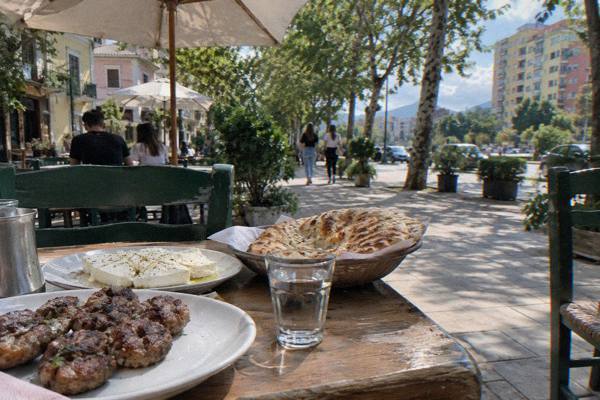
Best Restaurants In Tirana: Traditional Grills To Modern Kitchens
Tirana eats by neighbourhood: grills and market produce around Pazari I Ri, cafe tables and modern kitchens in Blloku, and everything in between within a short walk of Skanderbeg Square.
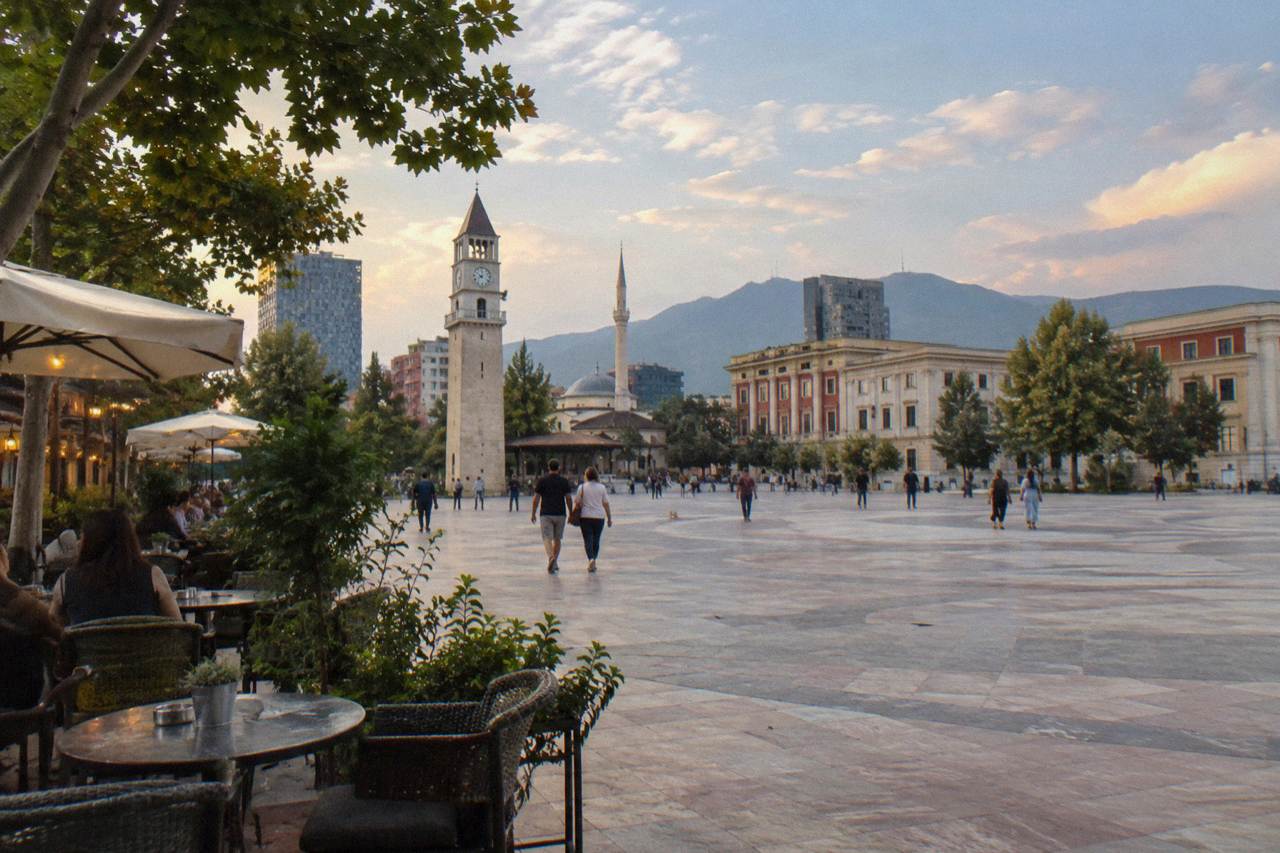
Short answer
Eat around Pazari I Ri for traditional Albanian grills and market produce, in Blloku for modern kitchens and cafes, and near Skanderbeg Square for the easiest mix of both; order byrek, tave kosi, fergese and qofte, and finish with raki or a Turkish-style coffee.
Tirana, the capital of Albania, is an inland city in a basin under Mount Dajti, and its restaurant scene is organised less by single famous venues than by neighbourhood: the market quarter around Pazari I Ri, the cafe grid of Blloku, and the compact streets ringing Skanderbeg Square. Few meal prices are fixed enough to publish, so the focus here is on what to order, where, and how the dining day is structured. The Adriatic coast at Durres is about 37 km and 39 minutes west by road, so seafood in Tirana arrives by road rather than by a harbour, one reason the inland traditions of lamb, cheese and pastry dominate the menus.
Where To Eat In Tirana: A Neighbourhood Guide
The main restaurant zones of Tirana are Pazari I Ri about 0.6 km east of Skanderbeg Square for market-fresh traditional food, Blloku about 0.8 km south for modern kitchens and cafes, and the streets within a few hundred metres of the square itself, where grills, bakeries and hotel restaurants sit closest together. Komuna e Parisit, about 1.8 km south-west, adds quieter neighbourhood dining away from the centre.
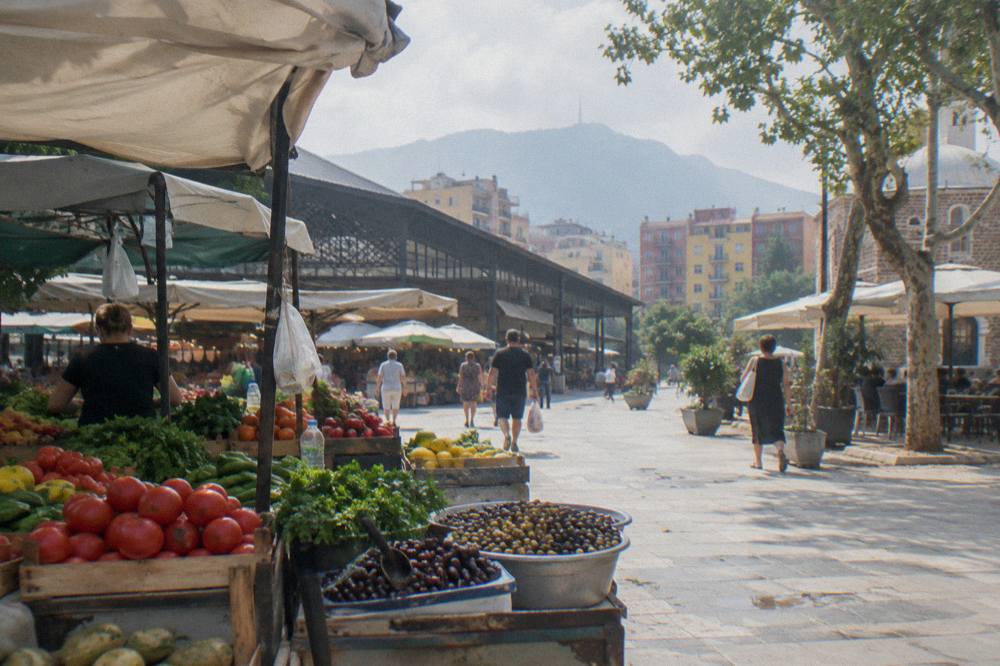
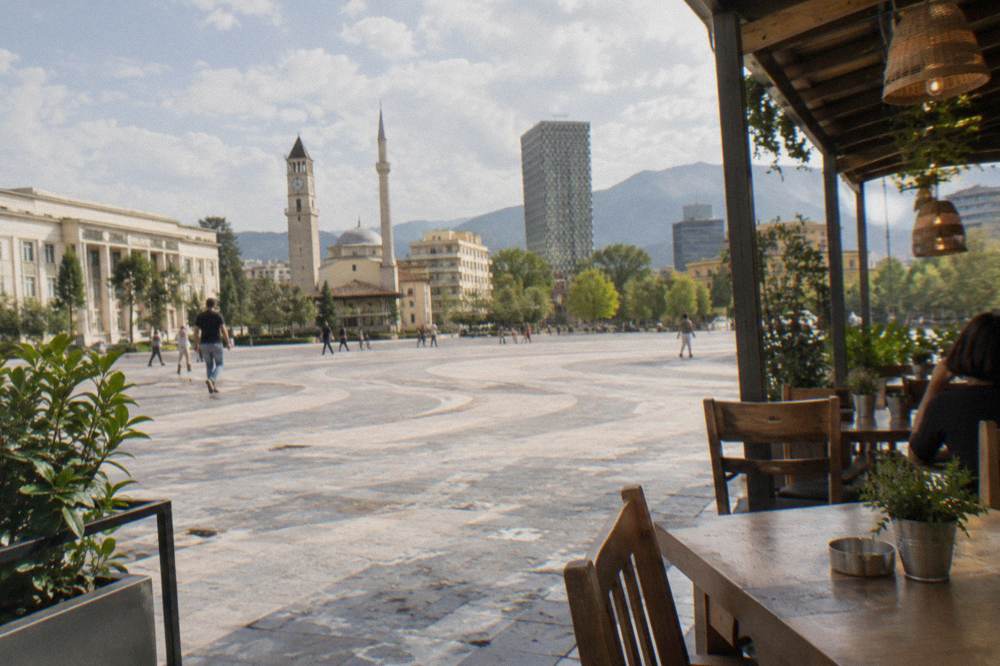
The New Bazaar, Pazari I Ri, is the produce heart of the city. Stalls of vegetables, olives, cheese and fish sit beside small grills and tavernas, and the format here leans traditional: meat skewers, slow-cooked stews and simple salads. Blloku, once a closed political quarter and now the cafe and nightlife district, works differently. Tables spread across side streets, kitchens run later, and the cooking ranges from Albanian standards to Italian and Mediterranean menus. The centre, from the square east to Tirana Castle about 0.5 km south-east, mixes the two, with bakeries for byrek, sit-down restaurants and hotel dining rooms within a ten minute walk of each other.
The geography rewards walking. Everything in the table below sits inside a rectangle roughly two kilometres wide, and the terrain is flat from the square south to the Grand Park about 2.1 km south-east. That compactness shapes the dining culture: a lunch at the bazaar, an afternoon coffee in Blloku and a dinner back near the square involve no transport at all, only comfortable shoes and an appetite that survives the walk between them.
| Area | Direction from Skanderbeg Square | Eating style | Best for |
|---|---|---|---|
| Pazari I Ri | About 0.6 km east | Market produce and traditional grills | Lunch, fresh ingredients, taverna dining |
| Blloku | About 0.8 km south | Modern kitchens, cafes, late tables | Dinner and drinks, cafe mornings |
| City centre ring | Within about 0.5 km | Mixed, from bakeries to hotel restaurants | Quick meals between sights |
| Tirana Castle area | About 0.5 km south-east | Courtyard restaurants | Relaxed evening meals |
| Komuna e Parisit | About 1.8 km south-west | Neighbourhood dining | Quieter local tables |
| Grand Park edge | About 2.1 km south-east | Lakeside walks with nearby restaurants | Weekend lunches |
Padam is a boutique hotel and restaurant on Rruga Papa Gjon Pali II. Artigiano serves Italian and Mediterranean food. Sophie Caffe is a cafe chain with branches across the centre. Era Blloku is an Albanian and Mediterranean restaurant in Blloku. Check each venue's own site for current hours before going.
What Traditional Albanian Dishes To Order In Tirana
The core Albanian orders in Tirana are byrek, a layered filo pie; tave kosi, baked lamb with a yogurt and egg topping; fergese, baked peppers and tomatoes with cheese; qofte, seasoned grilled meatballs; and raki, a fruit brandy, with Turkish-style coffee to close a meal. Every traditional menu in the city carries some version of these, and reading them in advance makes ordering simpler.
Byrek works as the default fast food, sold by the slice from bakeries through the working day. Tave kosi is the classic sit-down plate, and fergese is its vegetarian counterpart, though kitchens vary the cheese and the heat. Qofte appears as skewers, meatballs or a plate with bread and salad. None of these dishes carries an origin story worth repeating here: what matters to a visitor is that they are the vocabulary of every traditional menu in the city, from the market grills of Pazari I Ri to the hotel dining rooms near the square.
| Dish or drink | What it is, in one clause | When it is eaten |
|---|---|---|
| Byrek | A layered filo pie with cheese, spinach or meat | Morning and midday, by the slice |
| Tave kosi | Baked lamb with a yogurt and egg topping | Lunch or dinner main |
| Fergese | Baked peppers and tomatoes with cheese | Starter or main |
| Qofte | Seasoned grilled meatballs | Anytime, often with salad |
| Raki | A fruit brandy | Before or after a meal |
| Albanian coffee | Turkish-style coffee, unfiltered and small | After meals and all day in cafes |
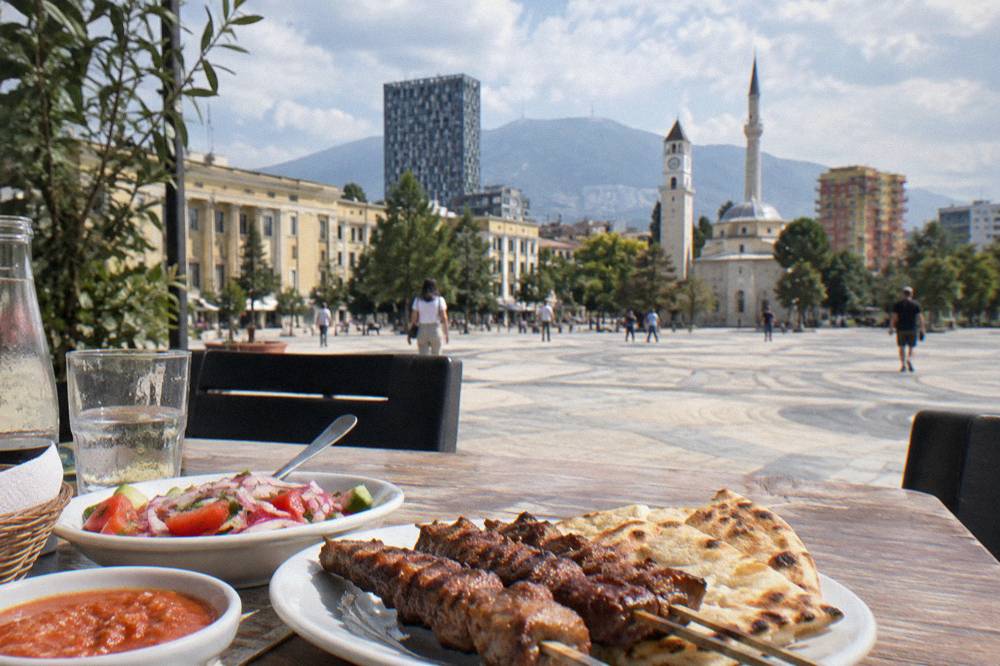
Beyond the core plates, traditional menus carry a wider family of dishes that reward a second visit. Grilled lamb and slow-cooked veal appear on weekend lists, seasonal vegetables arrive stuffed and baked, and fresh cheese, from soft white to aged and salty, turns up as a starter with bread and olives more often than not. Salads are simple and honest: tomato, cucumber, onion, pepper and cheese, dressed with oil and nothing much else. Soups hold a steady place on winter menus, and the pastry habit extends past byrek into small sweet and savoury pies sold by the piece.
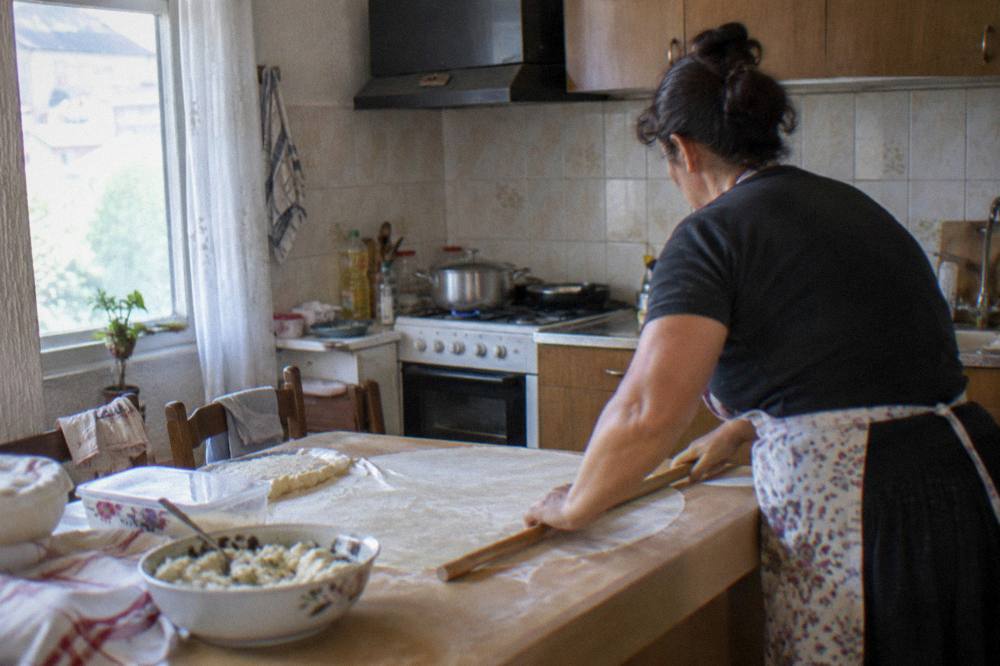
A deeper walk through every Albanian dish, including the seasonal ones, sits in the site's Albanian food guide. For travellers who would rather cook than order, the featured class on this page covers the classic plates hands-on: Cooking Class, Unlimited Wine and Raki for the traditional Albanian cooking class with unlimited wine and raki, which is also covered in full lower on this page.
Pazari I Ri, Blloku And The Centre: How Each Area Eats
Pazari I Ri is the closest Tirana comes to a food destination in one place, a rebuilt market about 0.6 km east of Skanderbeg Square where produce stalls and small kitchens share the same lanes, while Blloku, about 0.8 km south, is where dinner stretches late over cafe tables, and the centre keeps the bakeries, grills and hotel restaurants that fit between sightseeing stops. Each area has its own rhythm through the day.
At the New Bazaar the morning belongs to shopping: crates of tomatoes, herbs, olives and white cheese, with vendors selling by weight. By lunch the grills around the edge are the draw, and the format is simple, meat, bread, salad and a carafe of whatever is drinking well. Blloku starts slowly. Morning coffee there is a small ritual, tables fill from late morning, and dinner tables are booked for the evening rather than the afternoon. The centre runs all day, from byrek bought standing up mid-morning to full restaurant dinners within sight of the Et'hem Bey Mosque about 0.2 km south-east of the square.
The contrast between the three areas is also a contrast of price and pace rather than quality. A market lunch is a paper napkin affair eaten quickly and cheaply; a Blloku dinner runs long, with courses arriving when they are ready and nobody hurrying the table. The centre splits the difference and keeps the longest hours of the three, since it feeds both the sightseeing day and the hotel crowd. Choosing between them is less about ranking and more about matching the hour: market at midday, cafe in the afternoon, a proper table at night.
| Time of day | Pazari I Ri | Blloku | City centre |
|---|---|---|---|
| Morning | Produce market at its fullest | Cafe culture in full swing | Byrek from bakeries |
| Lunch | Grill kitchens around the market | Sit-down kitchens open | Quick plates near the square |
| Evening | Quieter, some tables close | The busiest dining hours | Restaurants and hotel dining |
| Late night | Largely closed | Bars and late tables | Mixed, thinner after dinner |
Planning a first visit around meals is easiest with the site's one day in Tirana itinerary, which slots eating stops between the main sights. A guided Tirana walking tour also passes through the food quarters with a local explaining what each stall sells.
Cafes, Coffee And Sweets In Tirana
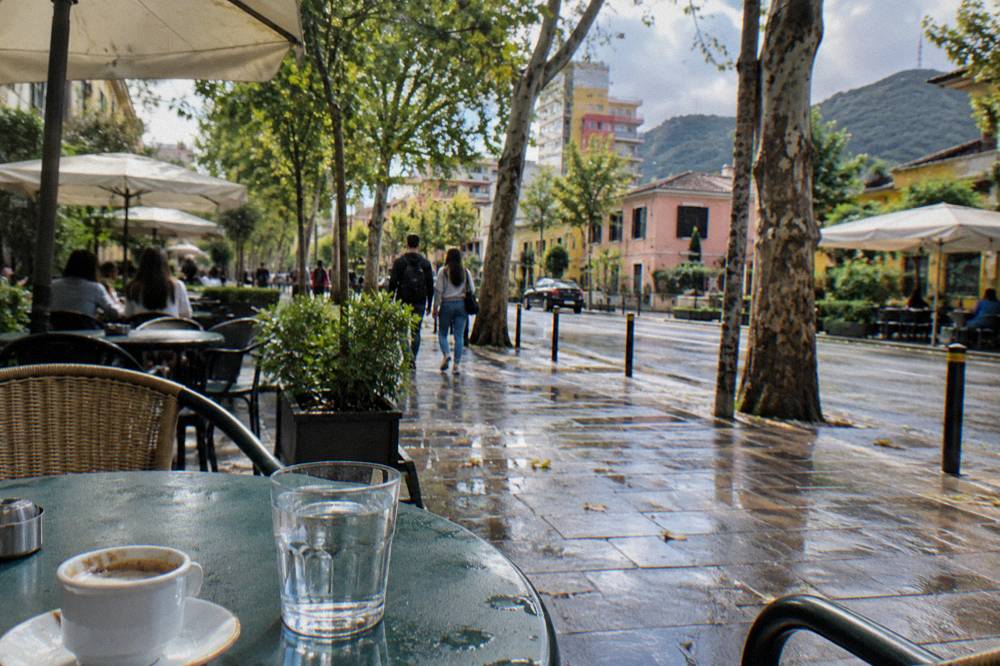
Tirana's cafe culture is a destination in its own right: the city runs on small Turkish-style coffees and espresso, cafes cluster thickest in Blloku and along the boulevards south of Skanderbeg Square, and a cafe table is treated as an hour-long seat rather than a counter stop. Sophie Caffe, a chain with branches across the centre, is one anchor name; beyond it, the format matters more than any single venue.
Albanian coffee, the unfiltered Turkish-style kind, is ordered by the size of the cup and arrives with a glass of water and often a small sweet. Espresso drinks are everywhere, and cafe terraces stay full well into the evening, since many cafes turn into bars after dark. Sweets follow the Ottoman inheritance: syrup-soaked pastries and baklava slices, sold by weight from confectioners near Pazari I Ri. One practical habit is worth adopting: pay attention to the lek price on the menu or the counter, since the euro is not legal tender in Albania and change comes in lek. The site's Albanian lek guide covers the currency in detail.
The coffee habit runs deep enough to shape the city's timetable. Cafe terraces are the default meeting place in Tirana, for business in the morning, for friends in the afternoon, and the same tables serve all three shifts. Rain matters less than a visitor might expect, since terraces are glazed and heated in the cooler months; on the ERA5 reanalysis for 1991 to 2020, even January averages a mean high of 10.8 C, and April through June are the kindest terrace months, with mean highs from 18.4 C to 26.9 C and moderate rain.
Wine, Raki And Evening Dining In Tirana
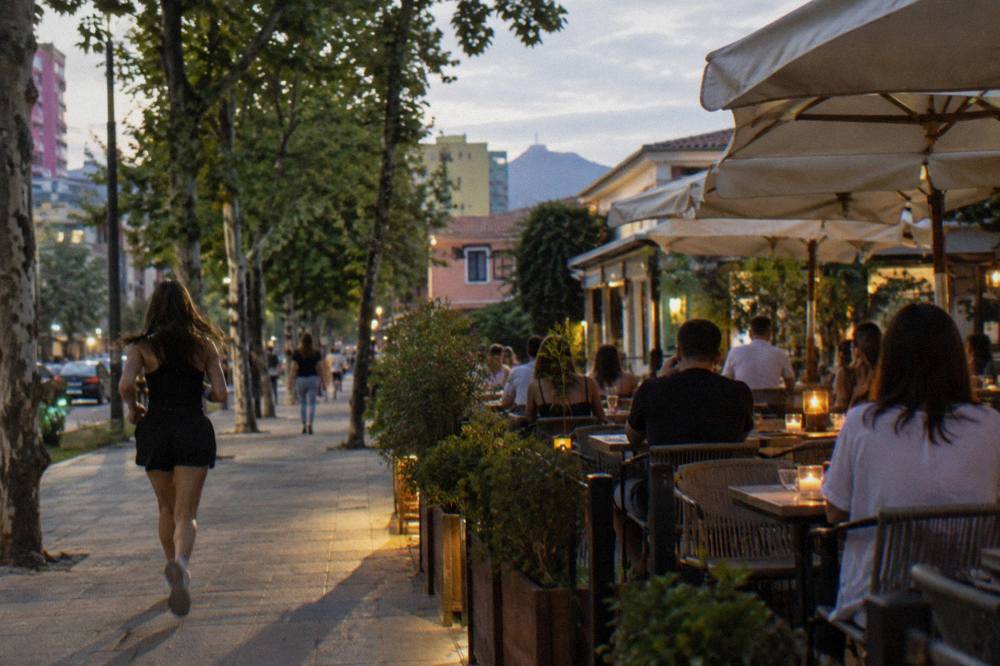
Raki, the fruit brandy poured across the Balkans, is the traditional Tirana dinner drink, offered before or after a meal and sometimes on the house, while Albanian wine, mostly red and mostly from inland vineyards, fills the lists of Blloku restaurants, and the evening dining hours run later than many visitors expect, with tables filling from around 20:00. One legal point matters if driving: Albania enforces zero tolerance for drink-driving, per an ATA report of August 2026.
Raki is a courtesy as much as a drink; refusing one entirely can read as abrupt, and sipping slowly is the local pace. Wine lists lean local, and the quality has climbed fast, though no vintage or producer claims belong on this page. Two more legal notes from the reporting: the sale of alcohol to anyone under 18 is prohibited under Albanian law, reported under Law No. 9518 of 2006, and the UK FCDO health page advises, in its own words, "Do not drink the tap water in Albania, as it may cause illness. Only drink bottled water", so order bottled water with dinner. For where the night goes after dessert, the site's Tirana nightlife guide covers Blloku after dark.
| Drink | One clause | Typical moment |
|---|---|---|
| Raki | A fruit brandy, served neat in small glasses | Before or after a meal |
| Red wine | Mostly Albanian, inland vineyards | With dinner |
| Espresso | Standard cafe coffee | Morning onward |
| Albanian coffee | Turkish-style, unfiltered | After meals |
| Bottled water | The FCDO advises against tap water | All day |
Food Tours And Cooking Classes In Tirana
It suits travellers who want the recipes to take home rather than a single meal out, and it fits neatly on a spare morning or afternoon between sightseeing days.
The local food experience walk, linked through its own tour page, covers the eating streets with a guide who explains what each window sells. It pairs naturally with a first day in the city, since it doubles as an orientation walk through the centre and the bazaar quarter.
The 15-plus flavours tasting tour above goes wider, building a full progressive meal from small stops.
Practical Tips For Eating Out In Tirana
Eating out in Tirana runs on cash-friendly lek payments, long unhurried tables, menus that mix Albanian and Italian dishes, and service that is rarely rushed; the UK FCDO advises bottled water over tap water, cards are taken in larger restaurants but cash is still expected at bakeries and market stalls, and no reliable meal or coffee price figures exist to publish, so expect the current price at the venue.
A few habits make dining simpler. Lunch runs earlier than dinner, with grill kitchens at their fullest from midday. Dinner tables in Blloku fill from around 20:00 onward, and kitchens close late rather than early. Tipping has no fixed local percentage, so rounding up or adding what feels fair is the norm; the site's tipping in Albania guide covers the question in full. For what meals cost in context, see the Tirana prices guide. Table etiquette is informal: sharing starters is normal, bread arrives unasked, and meals are social events measured in hours rather than courses.
Language is rarely a barrier in the centre. Albania places in the moderate band of the EF English Proficiency Index, and restaurant menus in the tourist quarters commonly print an English version alongside the Albanian one. Learning a handful of Albanian words still earns a warmer table: "Pershendetje" for hello, "Faleminderit" for thank you, "Ju lutem" for please, and "Gëzuar" for cheers, per the Wikivoyage Albanian phrasebook. One cultural note worth knowing before the first toast: visitors report that an upward chin nod means no, while a side-to-side shake means yes, the reverse of Western habit, a detail that has confused more than one dinner order.
| Situation | What to expect | Practical habit |
|---|---|---|
| Paying | Lek is the currency; cards in larger restaurants | Carry small lek notes for bakeries and stalls |
| Hours | Lunch from midday, dinner from around 20:00 | Book for Blloku evenings |
| Water | FCDO advises bottled water | Order bottled water by default |
| Tipping | No fixed percentage | Round up or add what feels fair |
| Sharing | Starters are commonly shared | Order a spread rather than courses |
| Language | English menus common in the centre | A few Albanian words go a long way |
Seasons matter less for menus than for terraces: ERA5 reanalysis for 1991 to 2020 puts Tirana's July mean high at 29.8 C and August at 30.4 C, so July and August evenings favour outdoor tables, while November, with 139 mm of rain on the same normals, moves dining indoors. The best time to visit Tirana guide has the full picture.
How To Fit Great Meals Into A Tirana Day
A workable eating day in Tirana starts with byrek and coffee near Skanderbeg Square mid-morning, moves to a grill lunch at Pazari I Ri, pauses for an afternoon Albanian coffee in Blloku, and ends with a dinner table in Blloku or the Tirana Castle quarter from about 20:00, with all of it reachable on foot given the compact centre, since Blloku sits only 0.8 km south of the square.
Distances are the quiet advantage of eating in this city. The New Bazaar is a ten minute walk east of the square, Blloku is barely further south, and the castle quarter sits between them. Nothing on this eating itinerary needs a bus or a taxi, though the getting around Tirana guide covers the city's flat-fare buses if the day stretches further. Visitors flying in can reach the centre on the airport bus, which runs every hour around the clock for 400 lek, as the airport transfer guide explains, arriving well placed for a first dinner.
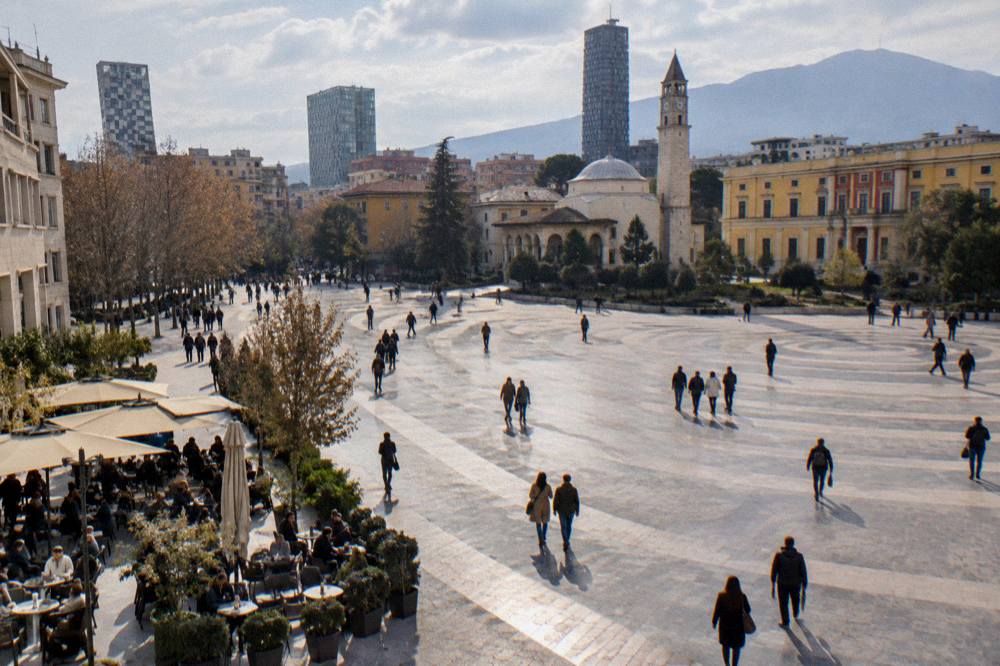
The eating map also lines up with the sightseeing map, which is why a food-first day costs so little time. The Et'hem Bey Mosque and the Clock Tower stand on the square itself; the House of Leaves sits about 0.2 km south-west; the Pyramid of Tirana about 0.7 km south-east; and the Bunk'Art 2 museum about 0.2 km south-east, all inside the same walking radius as every restaurant zone in this guide. A traveller can thread the communist history trail through the morning, eat at the bazaar at noon, and still reach a Blloku terrace by dark. Even the Grand Park and the Artificial Lake, about 2.1 km south, sit close enough that a lakeside walk ends within a short stroll of dinner.
Common Questions About Restaurants In Tirana
What food is Tirana known for?
Tirana's staple orders are byrek, a layered filo pie; tave kosi, baked lamb with a yogurt and egg topping; fergese, baked peppers and tomatoes with cheese; and qofte, seasoned grilled meatballs, with raki as the traditional drink. The site's Albanian food guide covers the full list.
Which neighbourhood is best for dinner in Tirana?
Blloku, about 0.8 km south of Skanderbeg Square, is the city's cafe and restaurant quarter, with tables filling from around 20:00. Pazari I Ri, about 0.6 km east, is stronger for a traditional market lunch.
Can I pay by card in Tirana restaurants?
Cards are taken in larger restaurants and hotels in central Tirana, but cash in lek is still expected at bakeries, market stalls and small cafes. The euro is not legal tender; the currency is the Albanian lek, roughly 90 lek to the euro.
Is tap water safe to drink in Tirana?
The UK FCDO health page advises: "Do not drink the tap water in Albania, as it may cause illness. Only drink bottled water." Order bottled water at restaurants.
Do I need to book restaurants in advance in Tirana?
For a Blloku dinner table in the summer months, booking is wise, since terraces fill from around 20:00. Lunch spots around Pazari I Ri generally work on a walk-in basis.
Are there food tours in Tirana?
Yes. Food walking tours and a traditional Albanian cooking class run in the city, and their prices, ratings and durations render in the product cards on this page; check current dates on the operator's live listing.